Factory floor space is rarely spare. When a plant adds dust control to a busy line, the real question is not whether to filter the air but how much room the equipment takes. A pleated cartridge dust collector is often chosen where a conventional baghouse would crowd the aisle, yet many buyers are unsure why the compact cabinet works. This guide explains how a pleated cartridge dust collector is built, where its space saving comes from, and how to judge whether it fits your dust before you review specifications.
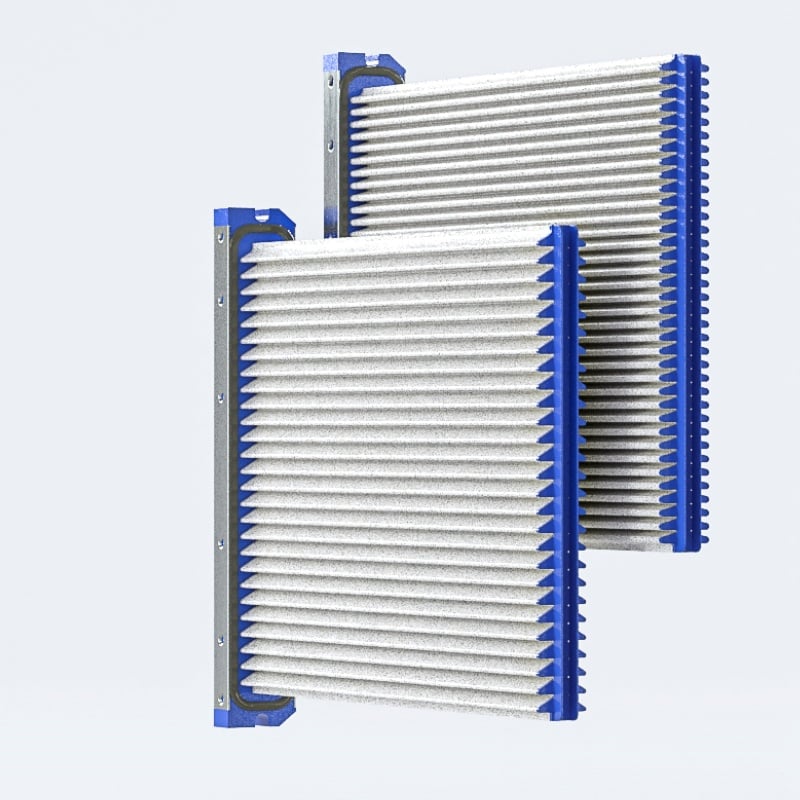
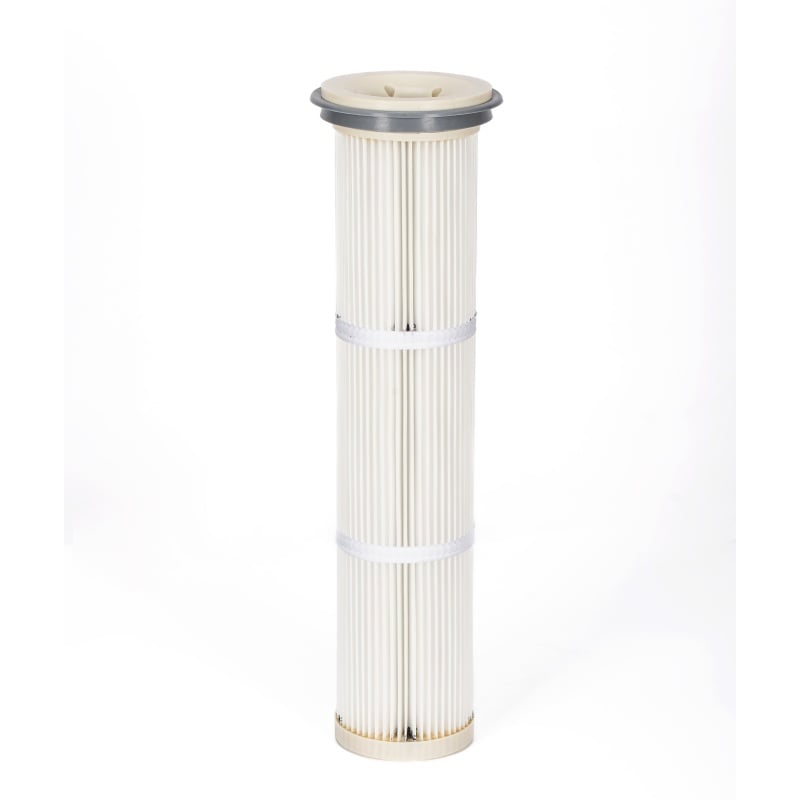
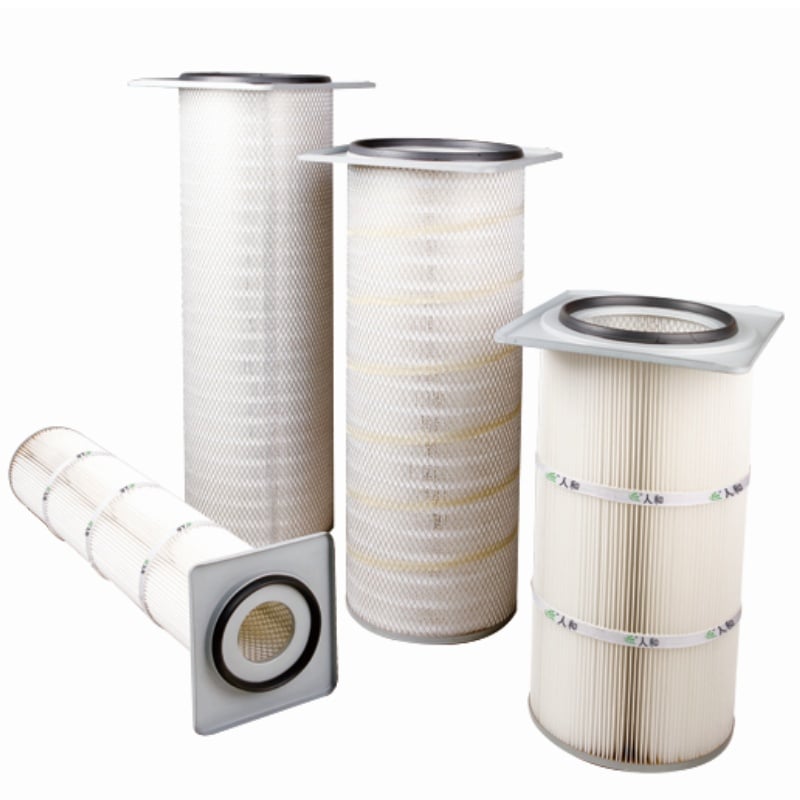
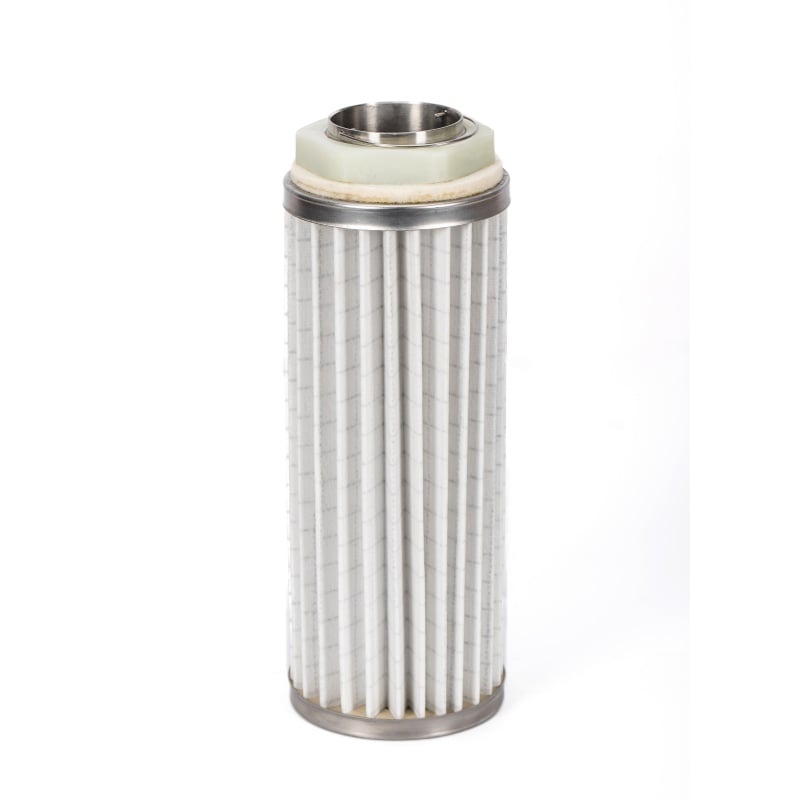
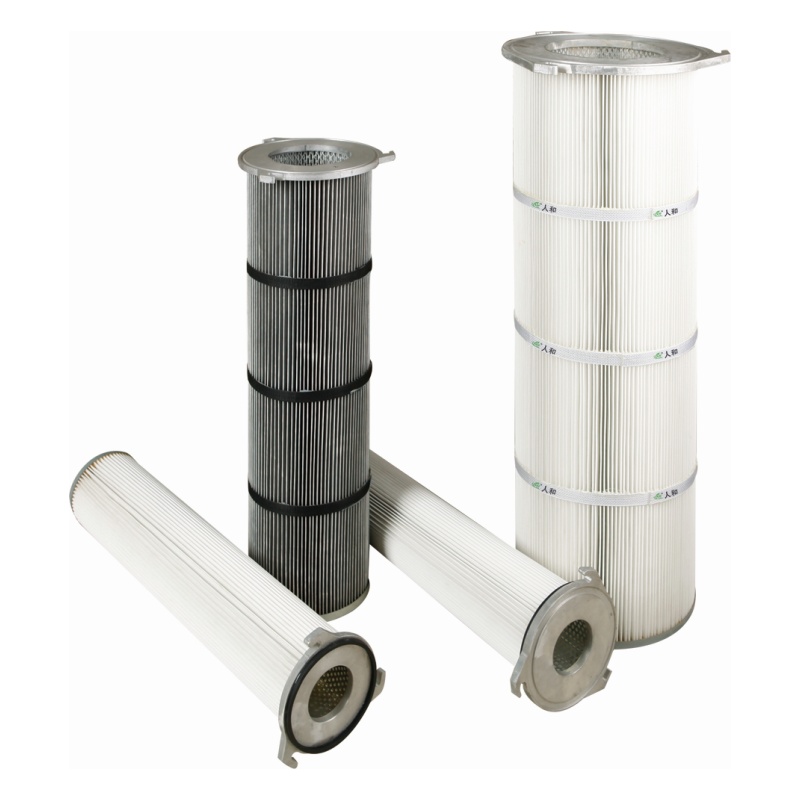
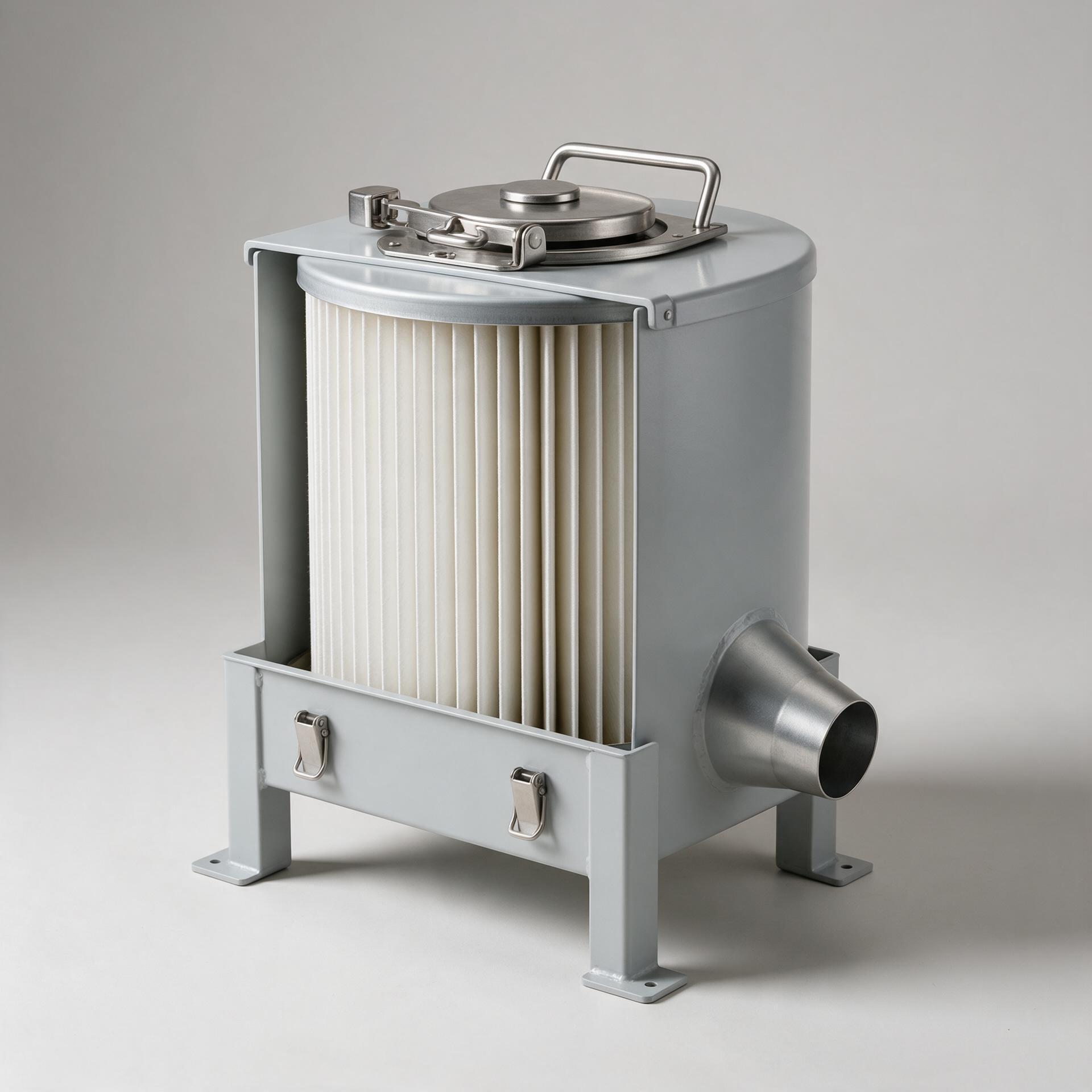
At its core, a pleated cartridge dust collector is a cabinet holding rows of cylindrical elements whose media is folded into tight pleats. Dust laden air enters the dirty air chamber, passes through the pleated filter media, and leaves as clean air while particles stay on the outer surface. A pulse of compressed air then knocks the dust cake into a hopper. The pleats are what make the design compact: instead of a flat bag, the same media is accordion folded so a short cartridge filter holds many times the surface of a plain sleeve. This simple mechanism is why a pleated cartridge dust collector can occupy far less floor area than a baghouse built for similar duty.
Space saving follows directly from pleat geometry. Because a pleated cartridge dust collector packs a large filter area into a short element, the cabinet can be shallow and elements can be changed from the clean air side. Many designs use an inclined drawer installation so staff slide cartridge filter units out without front clearance, and an anti abrasion baffle at the dirty air inlet shields media from direct impact. The filtration chamber has no internal moving parts, which further reduces maintenance access space. The result is a dust collector footprint that fits along a wall or between machines. For a plant where every square meter counts, that smaller dust collector footprint is often the deciding factor.
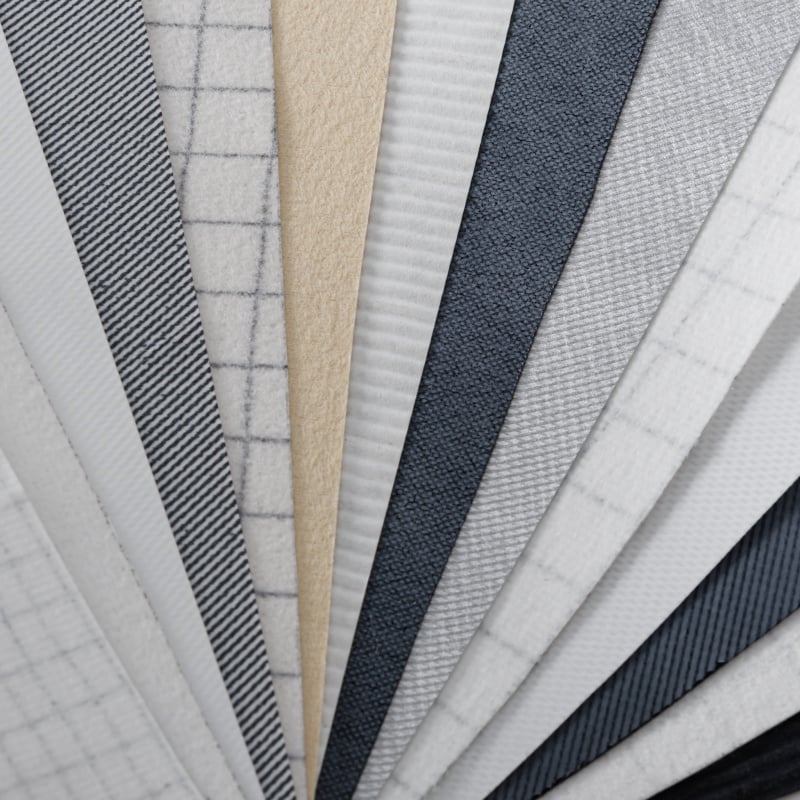
This comparison is not about which collector is universally better but which suits the dust. A baghouse remains common for high volume cement or foundry duty with heavy dust loads, where long bags and large hoppers are justified. A pleated cartridge dust collector is normally preferred for fine particulates in pharmaceutical, food, and light metalworking work, where compact size and high efficiency matter more than raw volume. Because pleated filter media works at a lower face velocity for a given area, a pleated cartridge dust collector can capture fine dust with less cabinet volume. Compare airflow range, installed media area, and access style side by side rather than assume the two footprints are interchangeable.
Consider a foundry with a constant temperature, constant humidity workshop for lost wax casting. Sand from an automatic drenching machine had to be controlled without dumping conditioned air outside. The layout used a hood at the sanding pipe, a fan drawing dust through ducting into a filtration chamber, then a second stage high efficiency filter before clean air returned to the workshop. Reported results showed capture of at least 98 percent of the dust and emissions below one milligram per cubic meter, with cleaned air recirculated to cut heating and cooling losses. The compact pleated cartridge dust collector let the plant place filtration close to the process and recover floor space that a larger unit would have consumed, showing how a smaller dust collector footprint supports both air quality and energy goals.
A compact cabinet only saves space if it stays serviceable. Resistance across a pleated cartridge dust collector is described in stages: initial resistance in the low hundreds of pascals, working resistance in the mid hundreds, and terminal resistance near one thousand pascals before replacement. Tracking pressure drop is more reliable than counting months, because pulse cleaning restores only part of the loss as filters load. Pleated filter media is commonly inspected every one to three months, and a high cleaned pressure drop signals a changeout. Confirming easy access and an intact anti abrasion baffle keeps the dust collector footprint advantage from becoming a maintenance problem.
Once the dust type and footprint are clear, supplier verification remains. Ask how media area is measured, what efficiency testing supports the claimed performance, and whether the cabinet follows a modular design that can expand later. A manufacturer with more than twenty years in filtration and exports to over sixty countries can provide documented references, while certifications such as CE are useful evidence of a quality system, but they should support technical fit rather than replace it. Request material guidance, compare product options, and verify test documents against the footprint and airflow your line actually needs.
Question one: Does a smaller cartridge cabinet mean less airflow than a baghouse?
Answer: Not necessarily. Airflow depends on fan selection and installed media area, not cabinet size alone. A pleated cartridge dust collector can move substantial air because pleated filter media offers generous surface in a short element, but confirm tested airflow rather than judging by footprint.
Question two: Can a pleated cartridge dust collector handle sticky or oily dust?
Answer: It depends on the media. Standard pleated media releases dry dust well during pulsing, while oily dust may need a coated medium or pre separation. Describe the dust to your supplier before you commit.
Question three: How do I replace cartridges without stopping production?
Answer: Track the pressure drop trend and keep one spare set on site. In inclined or horizontal drawer designs the change happens from the clean side, so a planned swap during a short outage keeps the dust collector footprint small and the line running.
 Hot News
2026-11-21
2026-11-21
2026-11-21
2026-11-21
2026-11-21
2026-11-20
Renhe focuses on air filter cartridge, gas turbine air filter, Pleated Filter Media, industrial dust, Our main products have been recognized as high-tech products in Jiangsu Province, famous trademarks in Wuxi City, and CE certification.
NO. 31 Xingyuan Road, Jiefang Industrial Park, Gushan Town, Jiangyin City, Jiangsu Province, China (214414)
Copyright © 2024 Jiangsu Renhe Environmental Equipments Co., Ltd Privacy Policy
 EN