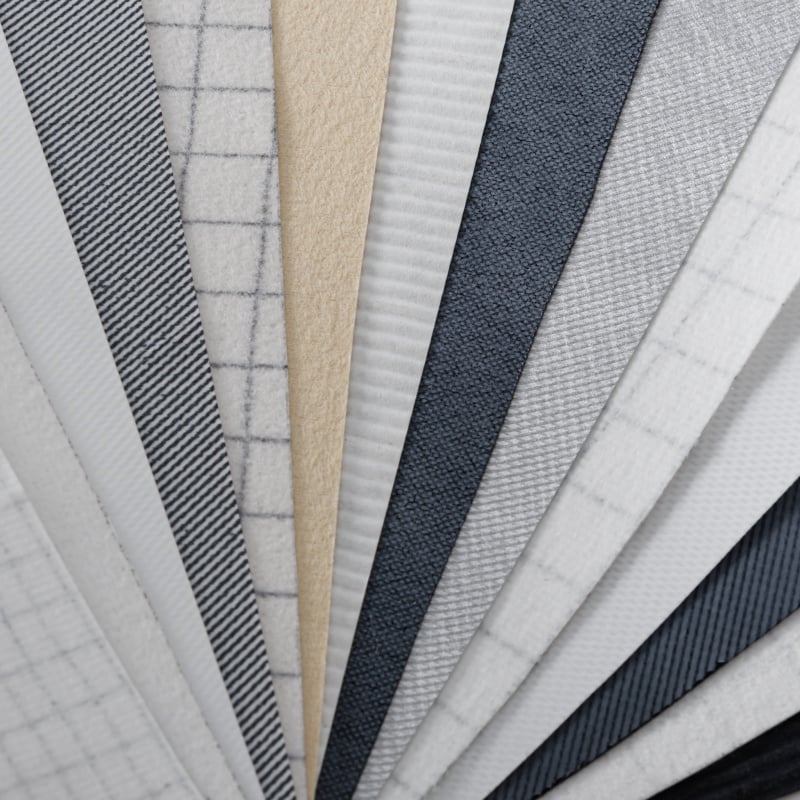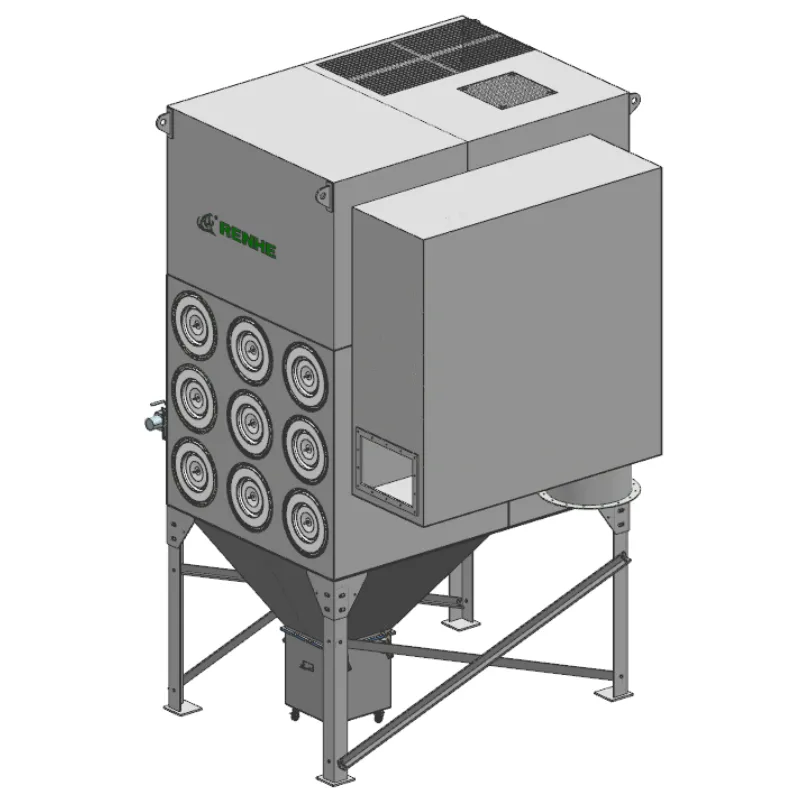
Choosing media for a soldering or welding fume dust collector is different from specifying a collector for ordinary workshop dust. The particles are fine, often sticky, and sometimes accompanied by spatter, so the wrong filter media will blind quickly or create a spark risk. Buyers who focus only on cabinet size and fan power discover later that performance depends on what sits inside the housing. This guide explains which filter media coatings suit welding fume, how PTFE coating and an anti-static filter cartridge differ, and what to verify before you request material guidance.
Soldering and welding generate a submicron aerosol that stays suspended far longer than grinding dust. In a welding fume dust collector those fine particles can pack tightly into pleats, and any oil or flux residue makes the cake adhesive. Standard filter media releases dry dust well during pulse cleaning, but sticky fume may remain embedded, so pressure drop climbs and cleaning loses effectiveness. Spatter adds a second problem: a hot particle reaching the media can ignite a combustible layer or damage fibres. The coating on the filter media is therefore a functional choice, not an optional upgrade, and it should match the chemistry of the fume rather than the nominal airflow of the cabinet. A useful rule is to log cleaned pressure drop over several shifts before choosing a coating, because a rising trend reveals whether the current media is releasing the cake. That record also gives a baseline for comparing coatings later.
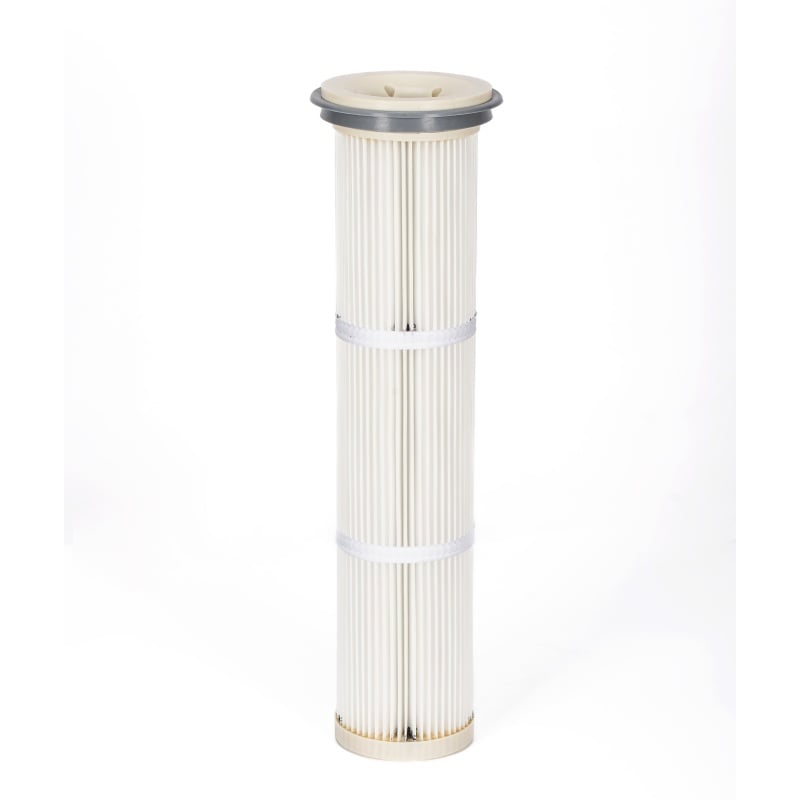
A PTFE coating forms a thin membrane over the filter media that changes where particles sit. Instead of driving deep into the fibres, fume is caught at the filter media surface, so the dust cake releases more easily during a pulse and the pleated media keeps its open structure. In practical terms a PTFE coating lowers pressure drop, releases sticky dust, and protects the pleats from blinding, which extends service intervals on a fume dust collector handling fine metal aerosol. The trade off is that a membrane adds cost, so it is justified where fume is oily or where the alternative is frequent cartridge changes. Ask how the coating is bonded to the substrate and what test data supports the release behaviour, because a coating that delaminates offers no benefit.
Where the fume comes from processes that throw sparks, an anti-static filter cartridge addresses ignition risk rather than release behaviour. Its media dissipates static charge so a spark is less likely to accumulate energy on the pleat surface, reducing the chance of igniting combustible dust. This matters for a fume dust collector placed on aluminium or magnesium work, where the dust itself can be combustible. An anti-static filter cartridge does not remove the need for earthing: verify that the cage, the housing, and the ducting are bonded and grounded, because the coating only works as part of a complete conductive path. Combine it with an inlet spark arrestor or pre separation where the process produces heavy spatter.
A practical case involved a multinational heavy industry enterprise making tower and crawler cranes. The boom line used large carbon steel components with welding points that were not fixed, joining MAG gas shielded welding with argon arc work. A distributed blow and suction arrangement was installed, with the blow outlet roughly four metres high and the suction inlet roughly nine metres high. Two opposing streams created a local descending circulation that guided metal welding fume toward the capture points. The engineering lesson for a fume dust collector buyer is that the filter media choice followed the collection design: once the fume was captured reliably, the PTFE coating and anti-static filter cartridge determined whether the media survived the load. This is why we discuss media only after the capture geometry is settled.
Selection for a fume dust collector starts with a description of the fume: dry and fine, oily, or spark bearing. Dry, fine welding fume can often be handled by standard pleated filter media with good pulse cleaning, while oily or flux laden fume favours a PTFE coating. Spark bearing processes call for an anti-static filter cartridge plus verified grounding. A supplier able to document more than twenty years in filtration, exports to over sixty countries, and certifications such as CE provides a traceable quality system, but those credentials should support the media choice on any fume dust collector, not replace a test review. Request material guidance, compare filter media options, and verify test documents against your actual fume before committing. For mixed duties, trial one zone first and confirm that the chosen medium holds pressure drop steady before rolling it out across the line.
Question one: Does a PTFE coating improve filtration efficiency?
Answer: It mainly improves release and pressure drop rather than changing the base efficiency rating. On a fume dust collector handling sticky particulate, easier cake release keeps the effective filtration efficiency stable over time.
Question two: Can I use an anti-static filter cartridge for ordinary dry dust?
Answer: Yes, but it adds cost without benefit if no spark or combustible dust risk exists. Choose it when the process or the dust creates an ignition concern, and always check grounding.
Question three: How often should coated filter media be inspected?
Answer: Inspect on a schedule tied to pressure drop rather than calendar alone. If cleaned pressure drop on the welding fume dust collector keeps rising, the media or its coating needs review.
 Hot News
2026-11-21
2026-11-21
2026-11-21
2026-11-21
2026-11-21
2026-11-20
Renhe focuses on air filter cartridge, gas turbine air filter, Pleated Filter Media, industrial dust, Our main products have been recognized as high-tech products in Jiangsu Province, famous trademarks in Wuxi City, and CE certification.
NO. 31 Xingyuan Road, Jiefang Industrial Park, Gushan Town, Jiangyin City, Jiangsu Province, China (214414)
Copyright © 2024 Jiangsu Renhe Environmental Equipments Co., Ltd Privacy Policy
 EN