Specifying a pleated cartridge dust collector starts with a practical question: how much filtration area can you fit into the floor space you actually have? Plant teams often inherit a fixed footprint around a production line and find that a conventional baghouse needs far more room to deliver the same collecting surface. Understanding how pleats multiply area, and which published figures to trust, lets you compare a pleated cartridge dust collector against other options on equal terms before you request any quotation.
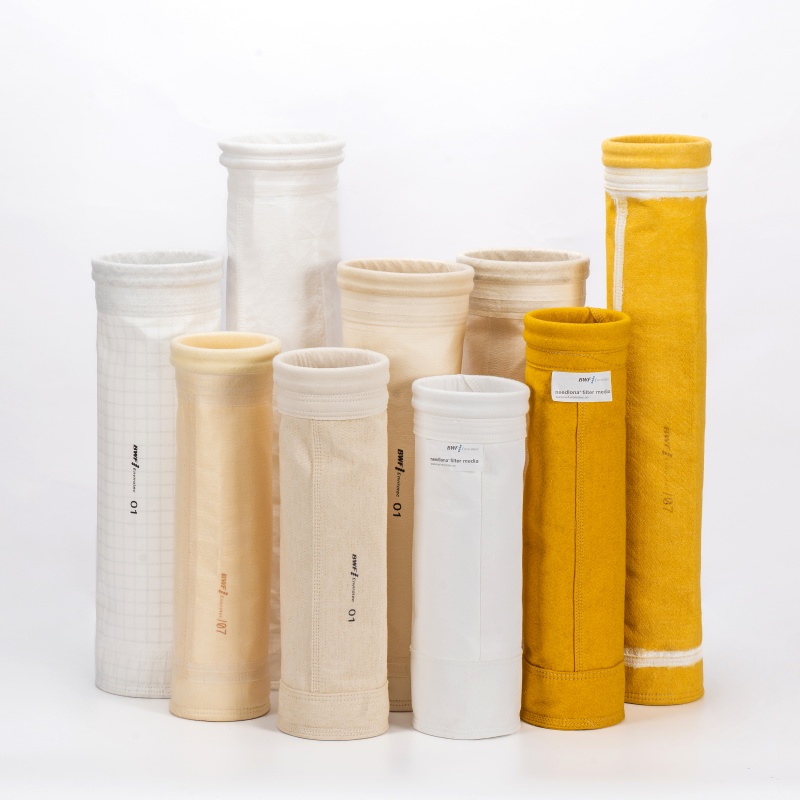
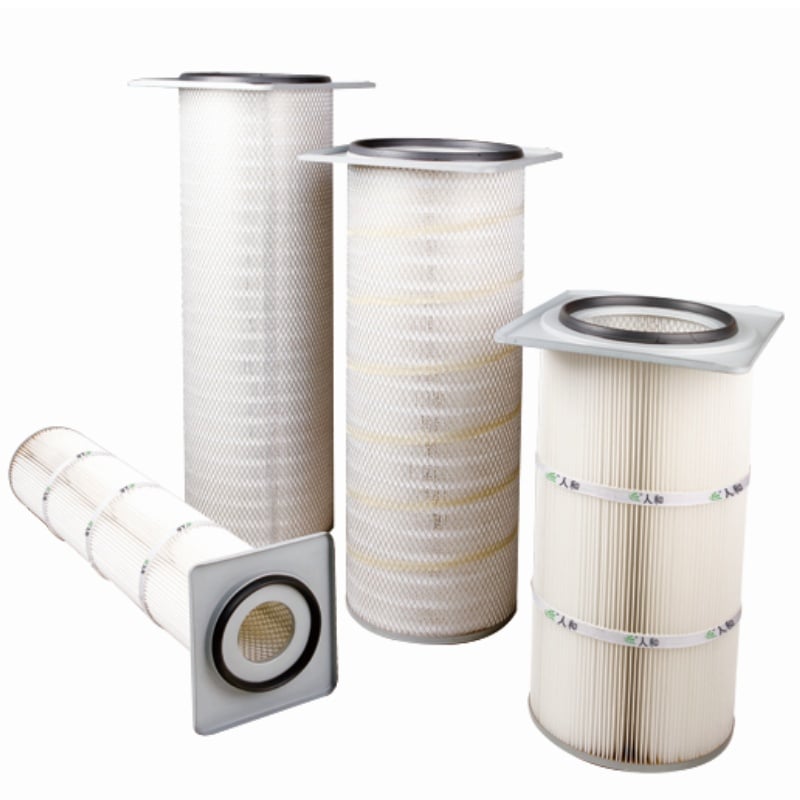
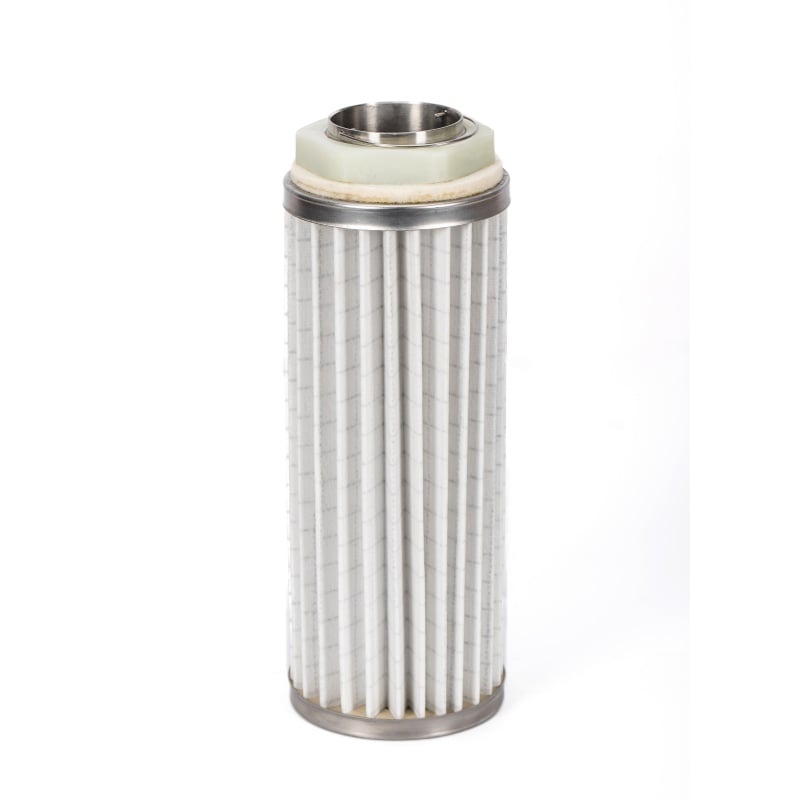
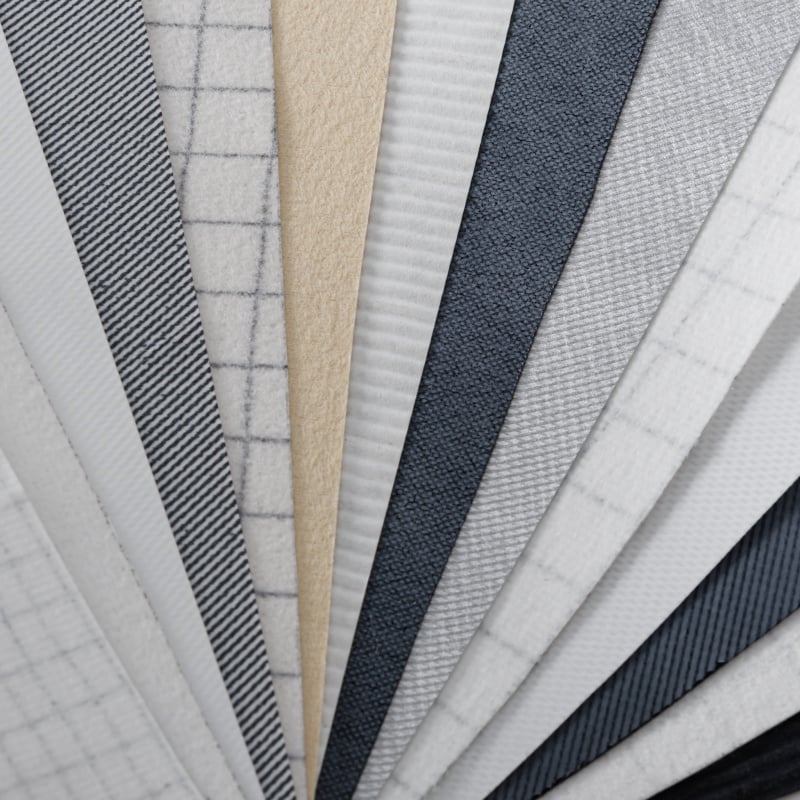
The reason a pleated cartridge dust collector stays compact is simple geometry. Instead of one smooth cylinder, the media is folded into many narrow pleats, so a far larger cloth surface is packed into the same diameter and length. With a pleated filter cartridge, the usable filtration area is driven mainly by pleat depth and the number of folds around the core. Deeper pleats hold more media and raise dust holding capacity, which is why a pleated filter cartridge often outlasts a plain bag of the same envelope. The pleat depth also sets how far the folds stand apart, which affects how easily pulse cleaning releases the dust cake. In practice you should confirm the stated filtration area on the datasheet rather than assume it from outside dimensions, because two filter cartridges of identical size can differ substantially once pleat depth and fold count are accounted for.
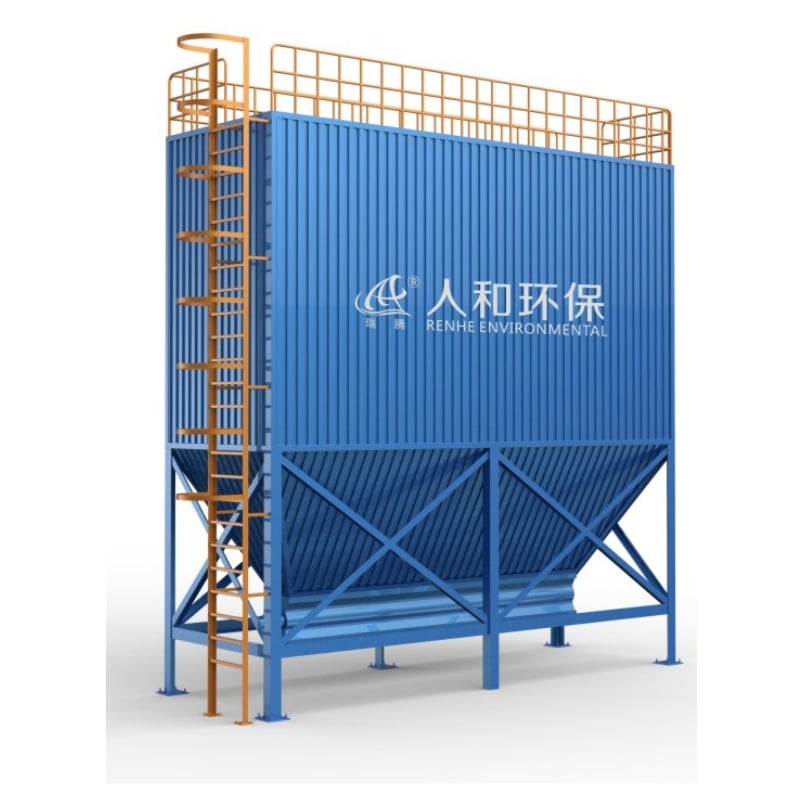
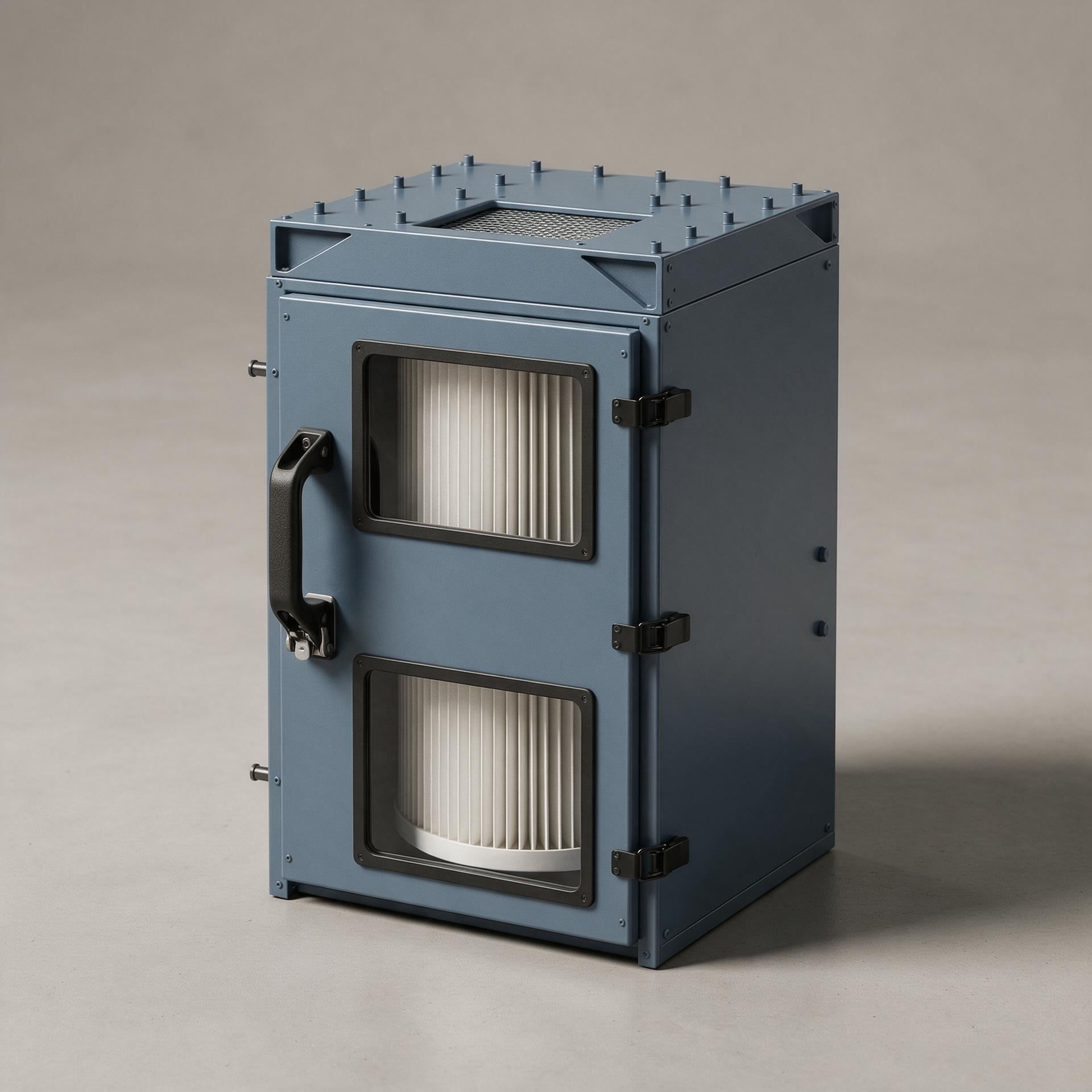
Published catalog data makes comparison straightforward once you know which columns matter. For a horizontal pleated cartridge dust collector, filtration area rises from 184 square metres on the smallest unit to 1472 square metres on the largest, while cartridge count runs from 8 up to 64. That progression shows how the design scales: more filter cartridges mean more total filtration area without changing the basic pleat geometry. The same series lists airflow from roughly 3300 to 45000 cubic metres per hour, with initial resistance of 120 to 250 Pa, working resistance of 500 to 700 Pa and final resistance of 1000 to 1250 Pa, at 99.99 percent efficiency. Treat resistance as a maintenance signal: when working resistance climbs toward the final figure, the filtration area in service is loading and cleaning or replacement is due.
Air to cloth ratio is the number that turns a catalogue into a selection tool. It is simply the airflow divided by the total filtration area, and it tells you how hard each square metre of media must work. A lower air to cloth ratio gives a pleated cartridge dust collector more margin for fine or sticky dust, because particles form a cake gradually instead of blinding the media. Each filter cartridge in the bank then carries a lighter load. For coarse, dry dust a higher air to cloth ratio can be acceptable, but for pharmaceuticals or food powders the conservative end of the range protects product quality and pleated filter cartridge life. When you compare two quoted systems, convert both to air to cloth ratio using the published filtration area; this normalises machines of different size and reveals whether the lower bid simply undersized the media.
A useful illustration comes from a closed sand drenching station in a constant temperature and humidity lost wax casting workshop. Dust from the sand pipe hood was drawn by a fan into the filter chamber of a cartridge dust collector, passed a second stage high efficiency filter, and the cleaned air was returned directly to the room. The reported capture rate reached at least 98 percent with emissions below 1 milligram per cubic metre, and returning the cleaned air cut heating and cooling losses. A pleated cartridge dust collector used for recirculation must keep resistance low enough that the fan does not erase the energy saving. The lesson for buyers is that filtration area was sized not only to meet an emission limit but also to protect the recirculation case. A pleated filter cartridge with adequate pleat depth made that possible within a compact plant layout.
Beyond area, the mechanical details decide how long a pleated cartridge dust collector keeps its rated area. Look for wide pleat depth with inner and outer liners that keep folds from collapsing, and a special fixation so the media does not press against the metal support mesh. A galvanised, anti corrosive construction and a rubber gasket protect the seal in humid duties. Conical cartridges are rated to ISO 16890 and are described as holding 40 percent more dust than conventional types, with areas of 20 square metres for a 324 by 660 millimetre body and 22 for a 350 by 660 body. Horizontal units often use a 15 degree inclined drawer for easy filter cartridge changes, an anti abrasion baffle at the dirty air inlet to shield the filter cartridge, no internal moving parts, and modular construction for larger builds. These features preserve the filtration area you paid for over the service life.
How do I compare two collectors with different footprints?
Convert each to air to cloth ratio using its published filtration area and airflow. That figure shows media loading per square metre and is more meaningful than cabinet size alone.
Does deeper pleating always mean better performance?
Deeper pleat depth in a pleated cartridge dust collector adds media and dust holding capacity, but folds must stay spaced so they do not pinch under load. Ask how a filter cartridge prevents pleat pinching and verify the support cage.
When should filtration area be increased?
If working resistance stays near the upper band at normal airflow, the installed filtration area on your pleated cartridge dust collector is likely too small. Reviewing specifications with the supplier is the next step.
 Hot News
2026-11-21
2026-11-21
2026-11-21
2026-11-21
2026-11-21
2026-11-20
Renhe focuses on air filter cartridge, gas turbine air filter, Pleated Filter Media, industrial dust, Our main products have been recognized as high-tech products in Jiangsu Province, famous trademarks in Wuxi City, and CE certification.
NO. 31 Xingyuan Road, Jiefang Industrial Park, Gushan Town, Jiangyin City, Jiangsu Province, China (214414)
Copyright © 2024 Jiangsu Renhe Environmental Equipments Co., Ltd Privacy Policy
 EN