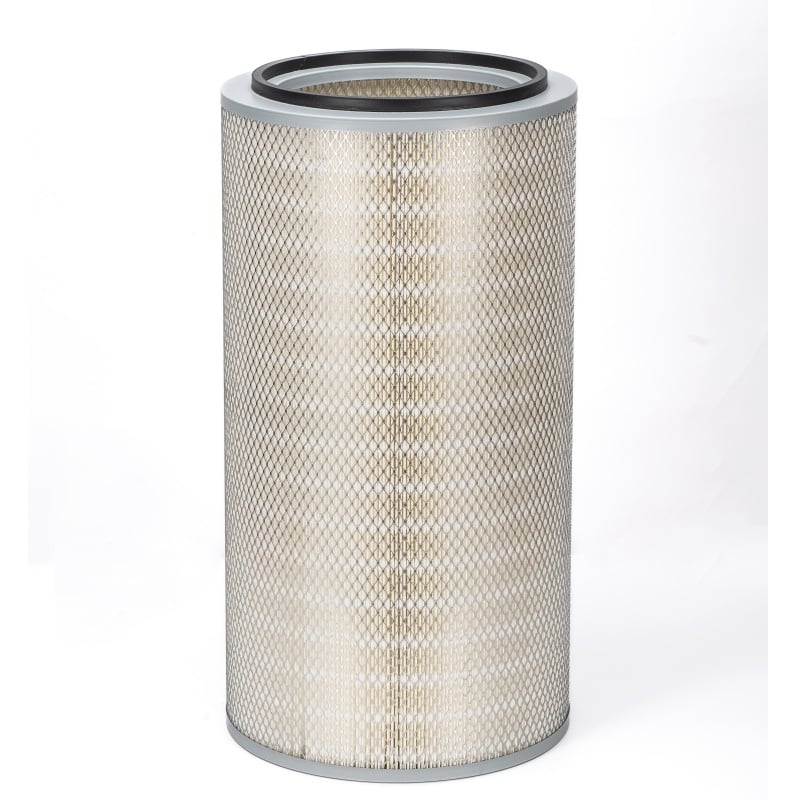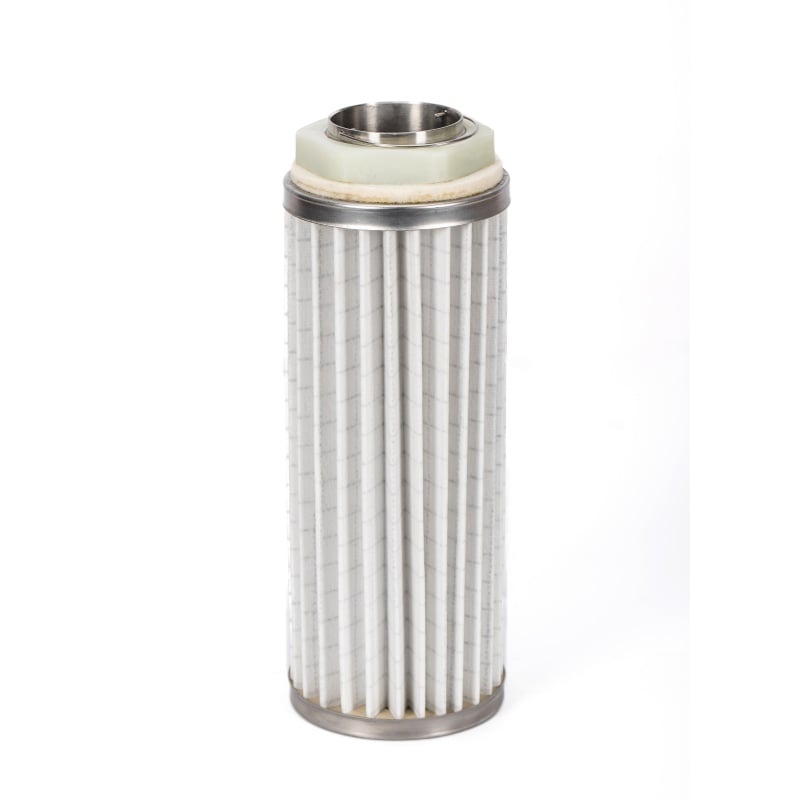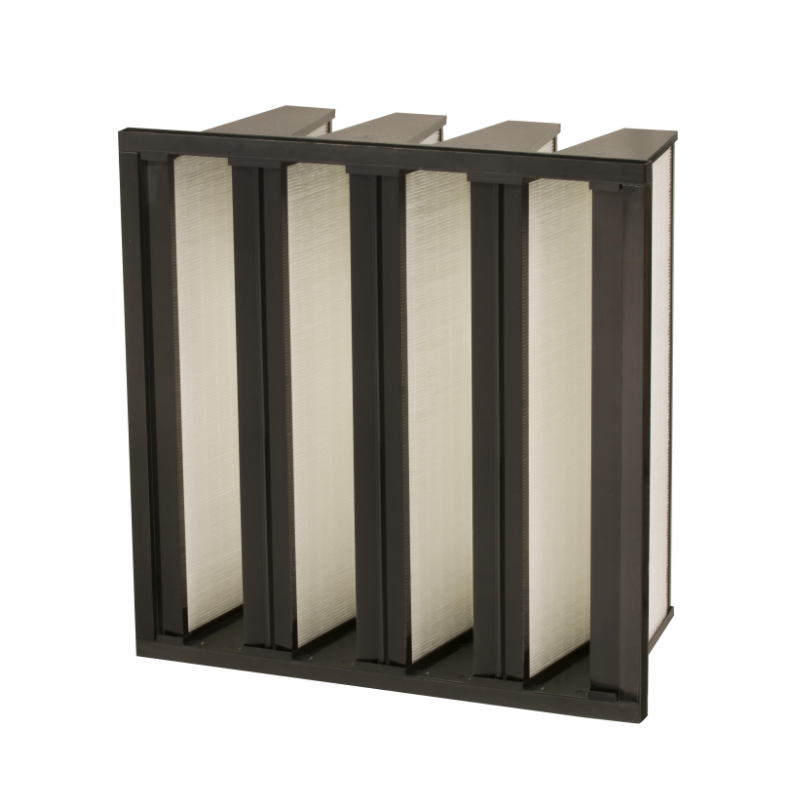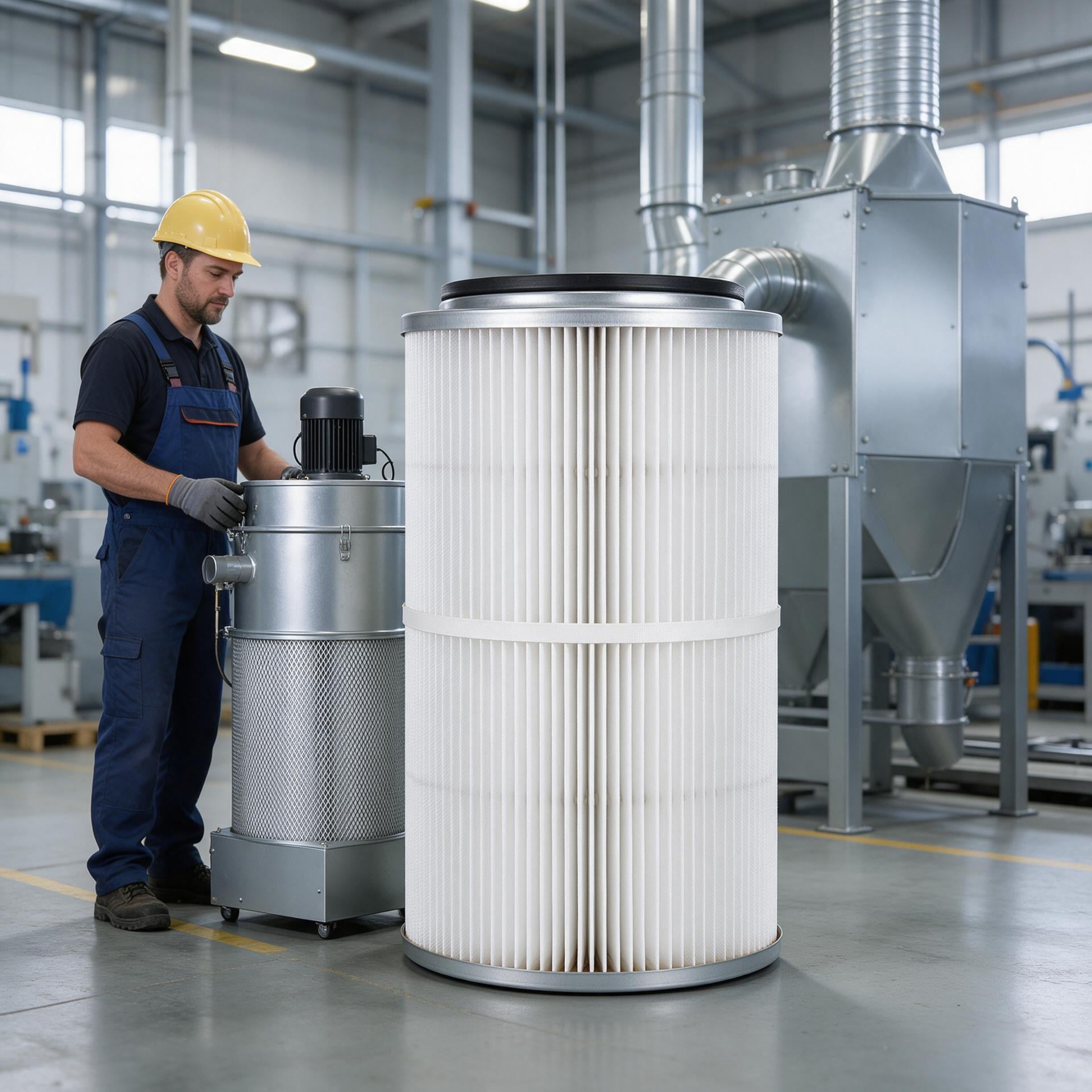
A pleated filter cartridge is not automatically the right choice for every dust, and buyers who specify it by habit can end up with short media life or unnecessary cost. The benefit depends on the particle size, the dust load, and how the plant values clean air and space. In pharmaceutical, food processing and metal fabrication sectors the return is often clear, while others are better served by a baghouse. This guide compares the industries where a pleated filter cartridge tends to pay back, using real application data and a structured comparison to support your decision.
The pleated design packs a large media area into a short element, so it suits fine particles and duties where floor space or recirculation matter. That same geometry can be a limitation when dust is heavy or abrasive, because the pleats load quickly and cleaning becomes frequent. What filtration efficiency means here also depends on context: a high rating on fine dust is valuable in pharmaceutical and food processing plants, but less decisive in a high volume mineral operation. Matching the pleated filter cartridge to the dust and the production pattern is what turns a specification into a real efficiency gain. A practical first step is to classify the dust by particle size and load before comparing any media area.
Pharmaceutical and food processing plants handle fine organic and mineral powders where product cleanliness and plant hygiene dominate. A pleated filter cartridge is frequently selected here because it delivers high filtration efficiency in a compact housing and can be changed from the clean side, limiting exposure during maintenance. For a pharmaceutical line the concern is cross contamination and consistent capture of fine particles; for food processing it is keeping the workspace free of airborne flour, sugar, or additive dust. In both cases the pleated filter cartridge supports lower pressure drop and longer service intervals than a plain bag of similar envelope, provided the dust is dry and the pulse cleaning is well tuned. Where powders are combustible, confirm that the collector design supports grounding and that the media choice fits the dust hazard review.
Metal fabrication covers a wide span, from coarse grinding dust to fine welding fume. For very high volume, heavy metal dust a baghouse remains common, but a pleated filter cartridge earns its place where the particles are fine and filtration efficiency on fine fume matters near the process. Welding stations that produce fine fume benefit from a compact cartridge collector with the right filter media, and pleated bag filters offer an alternative where a bag house footprint is not available. Note that pleated bag filters provide roughly three times the area of an ordinary bag at the same diameter, a useful reference when you compare media area against the airflow your metal fabrication line needs. Where a baghouse is retained for coarse dust, a cartridge stage downstream can still polish the finer fraction.
A demanding illustration comes from a household appliance dismantling operation handling waste electrical and electronic equipment. The enterprise was among the first batch of subsidised firms named in 2012, processing about 170,380 tonnes a year. Its off gas mixed particulate from CRT and LCD dismantling with mercury vapour, phosphor and lead bearing dust from cutting CRT screens, dust from air conditioner and washing machine teardown, and refrigerant volatiles such as Freon and cyclopentane. A pleated filter cartridge alone cannot capture vapour, but as part of a staged system it handles the particulate fraction while downstream stages address gases. The lesson is industry specific: in recycling, the pleated filter cartridge delivers value on the dust load, and buyers must verify which pollutants need separate treatment rather than assume one medium solves everything.
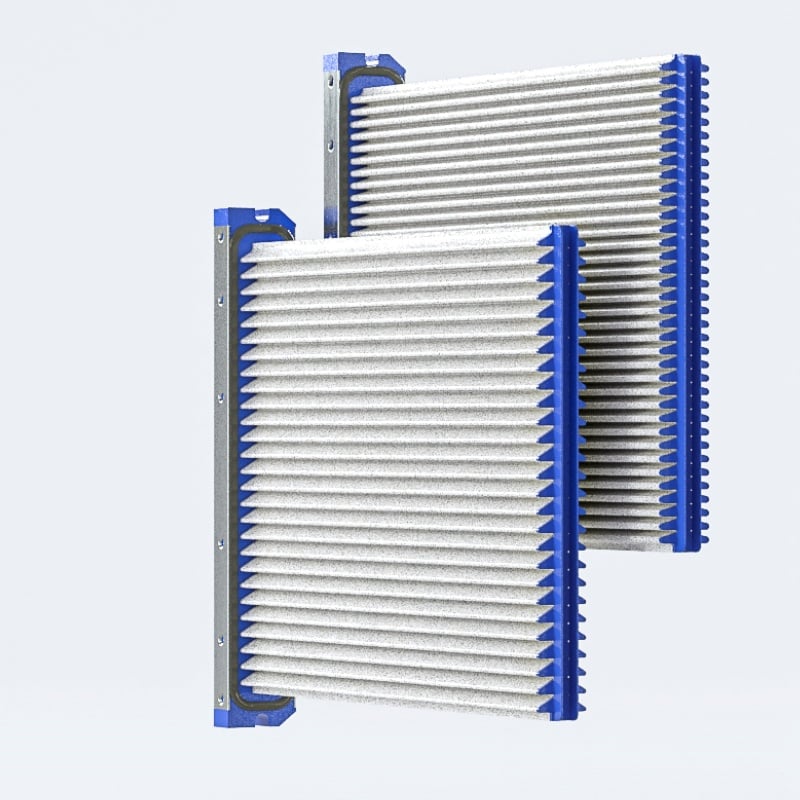
This comparison is not a ranking of good and bad products but a guide to fit. A pleated filter cartridge gives high area and high filtration efficiency for fine, dry dust in pharmaceutical and food processing settings. Compare filtration efficiency alongside pressure drop when you shortlist. A pleated bag filter multiplies area about threefold and suits bag style housings, while plastic sintered plates increase filter area by 200 percent, are washable, and resist burst, which favours duties where washdown and reuse matter. Conical cartridges rated to ISO 16890 hold forty percent more dust than conventional types and suit higher airflow. A supplier with more than twenty years in filtration, exports to over sixty countries, and CE certification gives a traceable quality system, but the choice should rest on the dust and the process. Request material guidance, compare product options, and verify test documents against your industry.
Question one: Is a pleated filter cartridge suitable for food processing?
Answer: Yes, for dry dust where high filtration efficiency and clean side cartridge changes support hygiene. Verify the media and sealing details for your specific powder.
Question two: Which industry sees the fastest payback?
Answer: Fine dust industries such as pharmaceutical and food processing often see the clearest gain because the pleated filter cartridge delivers high area in a compact, low pressure drop form.
Question three: When is a baghouse a better choice?
Answer: For very high airflow with heavy, abrasive dust in metal fabrication, a baghouse often lasts longer. Compare airflow, dust load, and media area before deciding, and review specifications with the supplier.
 Hot News
2026-11-21
2026-11-21
2026-11-21
2026-11-21
2026-11-21
2026-11-20
Renhe focuses on air filter cartridge, gas turbine air filter, Pleated Filter Media, industrial dust, Our main products have been recognized as high-tech products in Jiangsu Province, famous trademarks in Wuxi City, and CE certification.
NO. 31 Xingyuan Road, Jiefang Industrial Park, Gushan Town, Jiangyin City, Jiangsu Province, China (214414)
Copyright © 2024 Jiangsu Renhe Environmental Equipments Co., Ltd Privacy Policy
 EN