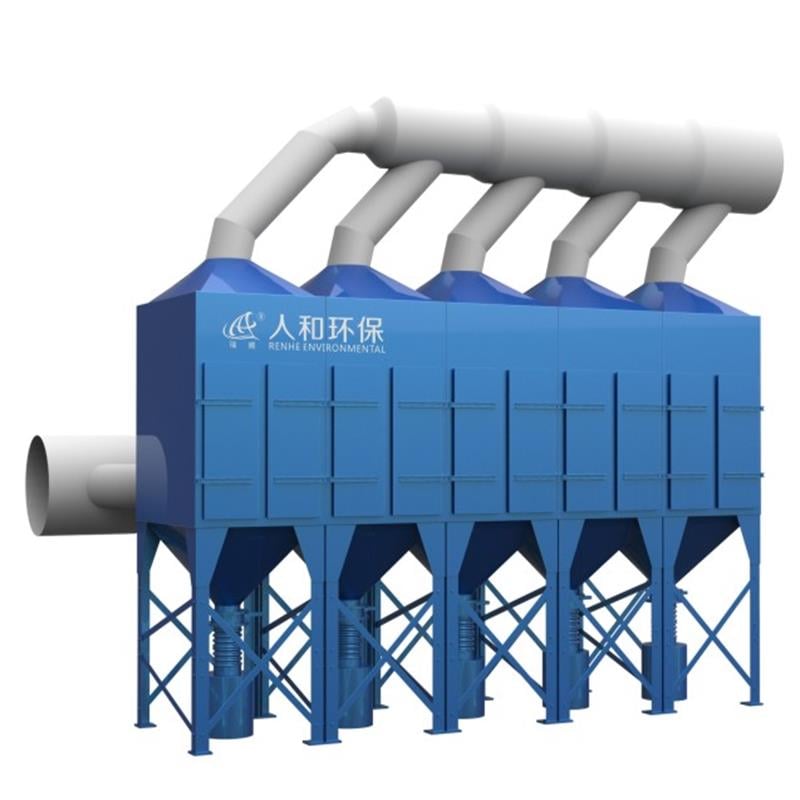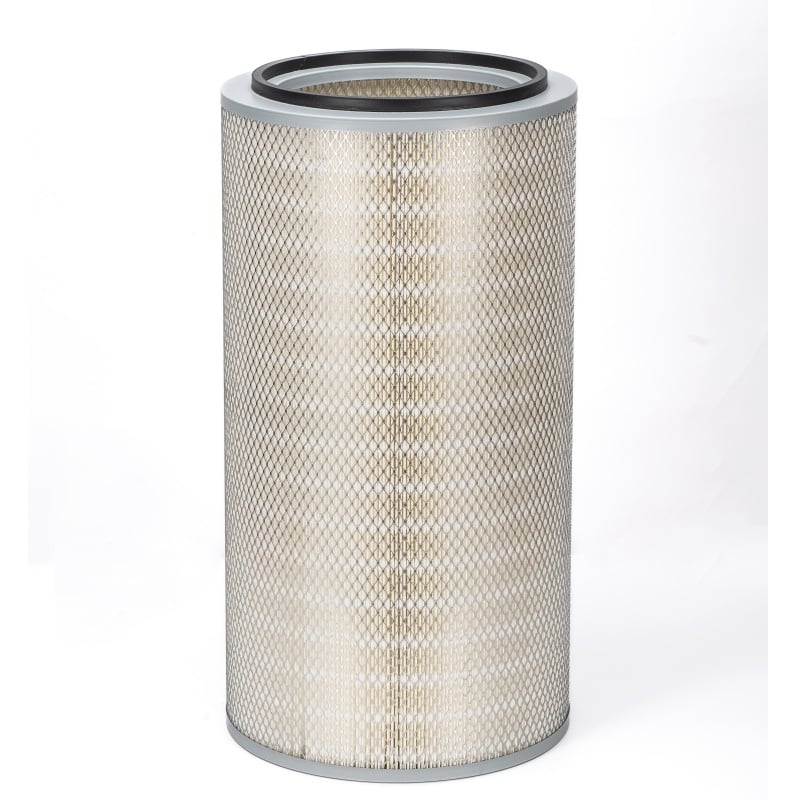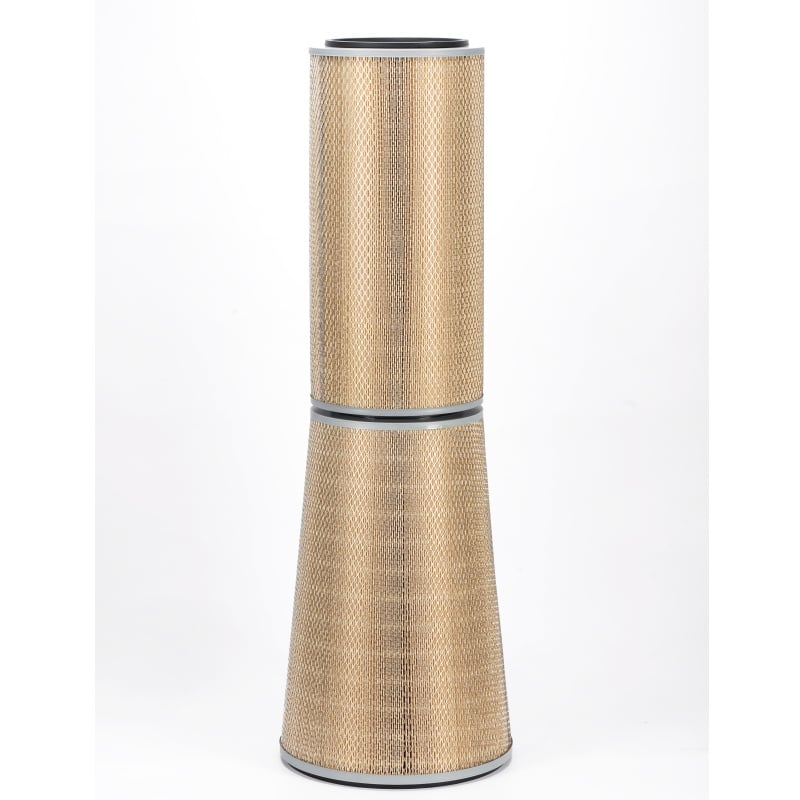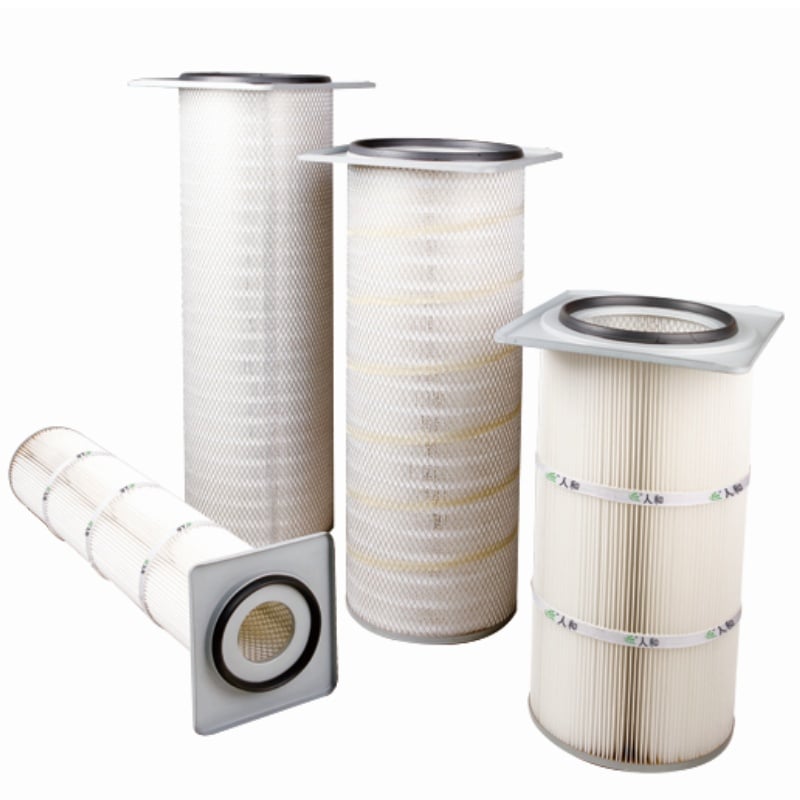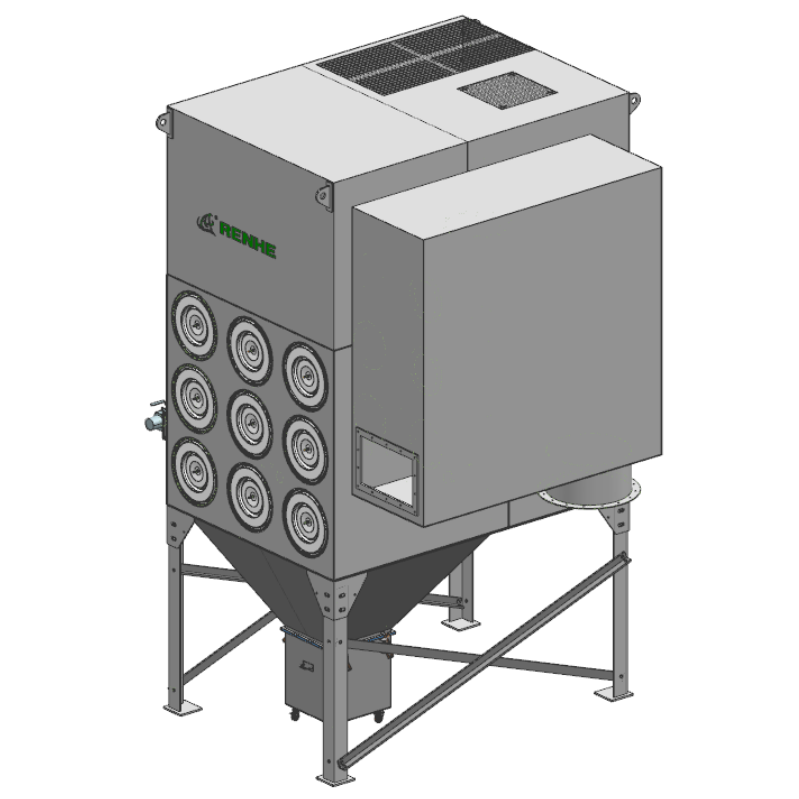
A baghouse can pass every performance test and still fail in a humid season. When warm, dust-laden gas meets a cold exterior wall, moisture condensation forms inside the casing, and the filter bag begins to blind or release mud instead of dust. Buyers rarely budget for this because it looks like a building detail rather than a filtration issue. In reality, exterior wall insulation is part of protecting the filter bag and keeping the baghouse stable through the year. This guide explains how condensation forms, why it damages media, and what to check when specifying a pulse bag filter for a humid site.
Condensation is a temperature problem, not a water problem. Gas entering a baghouse carries moisture, and as it cools it can reach a point where vapour turns to liquid on the coldest surface, usually the exterior wall and the filter bag near it. A temperature swing between day and night makes this worse, especially when the unit sits outdoors or in an unheated area. Once droplets form, fine dust mixes with water and sticks to the media. The result is rising pressure drop and a filter bag that no longer releases cleanly during the pulse. Understanding this mechanism is the first step to preventing moisture condensation.
A filter bag is designed to handle dry dust and a cleaning pulse. Liquid changes the rules. Wet dust cakes onto the bag surface, blinding the pores and raising pressure drop across the baghouse. Some media shrink or distort after repeated wetting, and a coating intended to release sticky dust may stop working. In a pulse bag filter, the cleaning pulse can drive moisture deeper into the fabric instead of removing it. Over time this shortens filter bag life and drives up consumable cost. Keeping the casing above the dew point protects the media far more cheaply than replacing bags early.
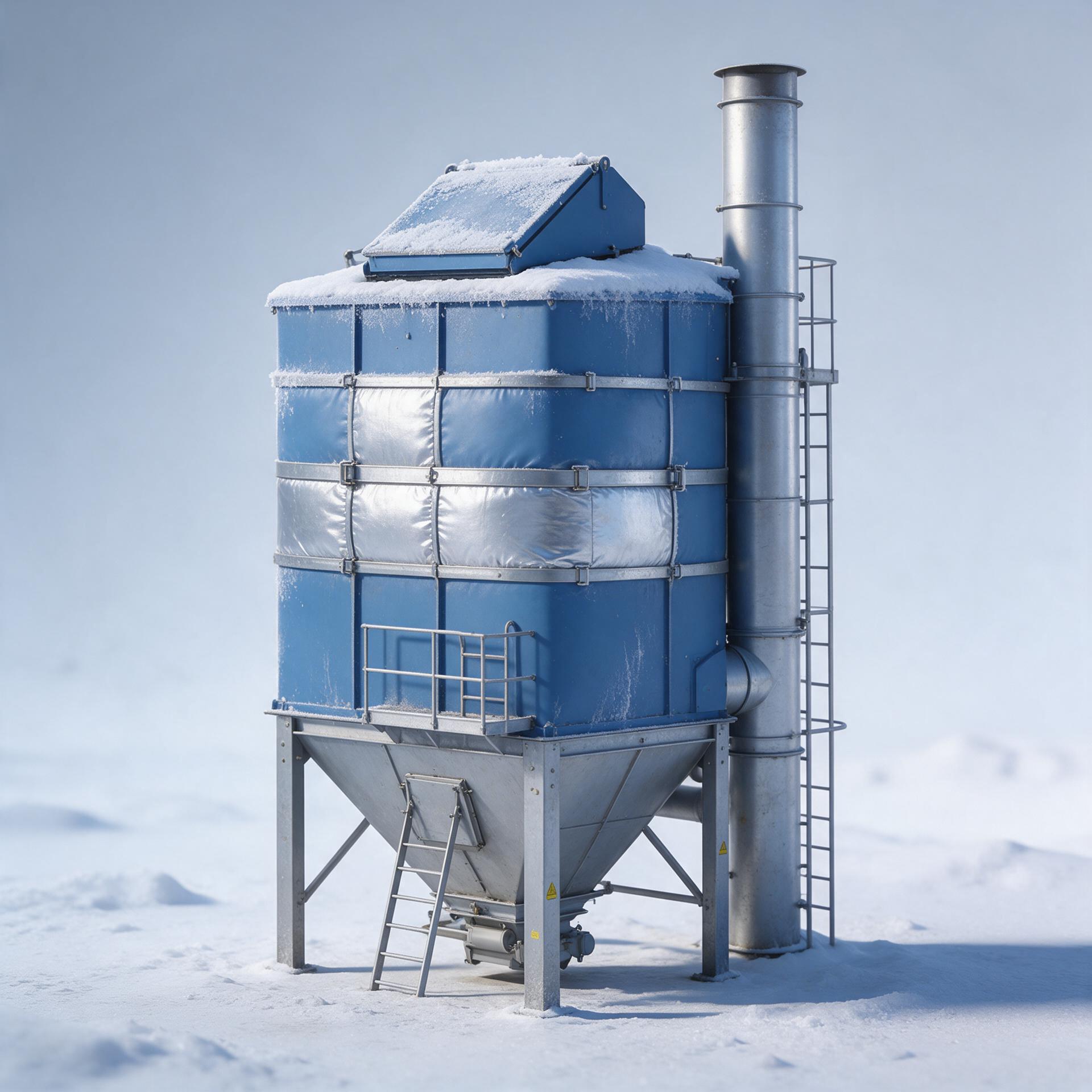
Exterior wall insulation keeps the casing temperature closer to the gas temperature, so surfaces stay above the point where condensation forms. It is a straightforward control with a large effect on reliability. Insulation matters most at the walls, roof, and any access doors where heat escapes fastest. For a baghouse handling humid gas, a well-insulated casing reduces the temperature gradient that drives moisture condensation toward the filter bag. It also stabilises pressure drop through seasonal changes, which makes fan duty and cleaning cycles more predictable. Treat insulation as part of the filtration design, not as an afterthought.
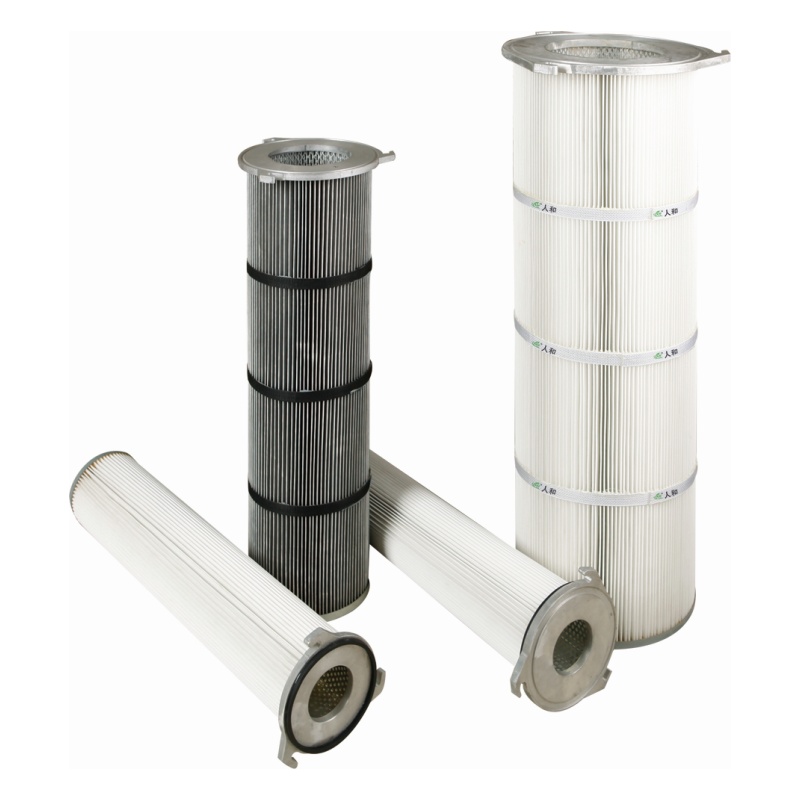
A pulse bag filter cleans each row with a short burst of compressed air, so the cleaning system must stay dry and consistent. Confirm that the compressed air supply is dry, since moisture in the pulse line can add water directly to the filter bag. Choose media suited to the dust and the moisture risk; where sticky dust is present, a PTFE coated surface can release the cake more easily. Anti-static media is relevant when the dust is combustible, together with a verified grounding path. For a baghouse in a humid climate, review these details alongside exterior wall insulation rather than in isolation.
Consider an enterprise dismantling waste electrical and electronic equipment, one of the early subsidised firms in its sector. Its stream contains particles from CRT and LCD dismantling, mercury vapour, phosphor and lead-bearing dust from screen cutting, and dust from appliance teardown. Such a baghouse handles a difficult, mixed load where moisture control matters. In that setting, exterior wall insulation helps keep the casing above the dew point so the filter bag does not blind from condensation, while a suitable pulse bag filter manages the dust load. The case shows that humid or variable gas calls for a design that protects the media, not just a nominal airflow rating.
Start with the gas: its temperature, moisture content, and the lowest ambient temperature the baghouse will see. Confirm the filter bag media suits the dust, and ask how the casing will be insulated at walls, roof, and doors. Review pressure drop targets and how the pulse bag filter cleaning sequence is controlled. A supplier with two decades of filtration experience and relevant certifications can provide performance documents for the baghouse. Compare product options and verify test documents rather than relying on a general claim. Review specifications with your team so exterior wall insulation fits the real site conditions.
Question one: Can insulation alone stop moisture condensation?
Answer: No. Insulation raises the wall temperature, but you also need dry compressed air, suitable media, and stable gas temperature. Treat exterior wall insulation as one control among several in a baghouse.
Question two: How do I know condensation is damaging the filter bag?
Answer: Watch for a pressure drop that stays high after cleaning, or dust that looks damp at the hopper. These are signs that moisture condensation is blinding the filter bag in your baghouse.
Question three: Is a pulse bag filter suitable for humid gas?
Answer: Yes, if the casing is insulated and the cleaning air is dry. Confirm the media choice and review specifications before you commit to a pulse bag filter for a humid site.
 Hot News
2026-11-21
2026-11-21
2026-11-21
2026-11-21
2026-11-21
2026-11-20
Renhe focuses on air filter cartridge, gas turbine air filter, Pleated Filter Media, industrial dust, Our main products have been recognized as high-tech products in Jiangsu Province, famous trademarks in Wuxi City, and CE certification.
NO. 31 Xingyuan Road, Jiefang Industrial Park, Gushan Town, Jiangyin City, Jiangsu Province, China (214414)
Copyright © 2024 Jiangsu Renhe Environmental Equipments Co., Ltd Privacy Policy
 EN