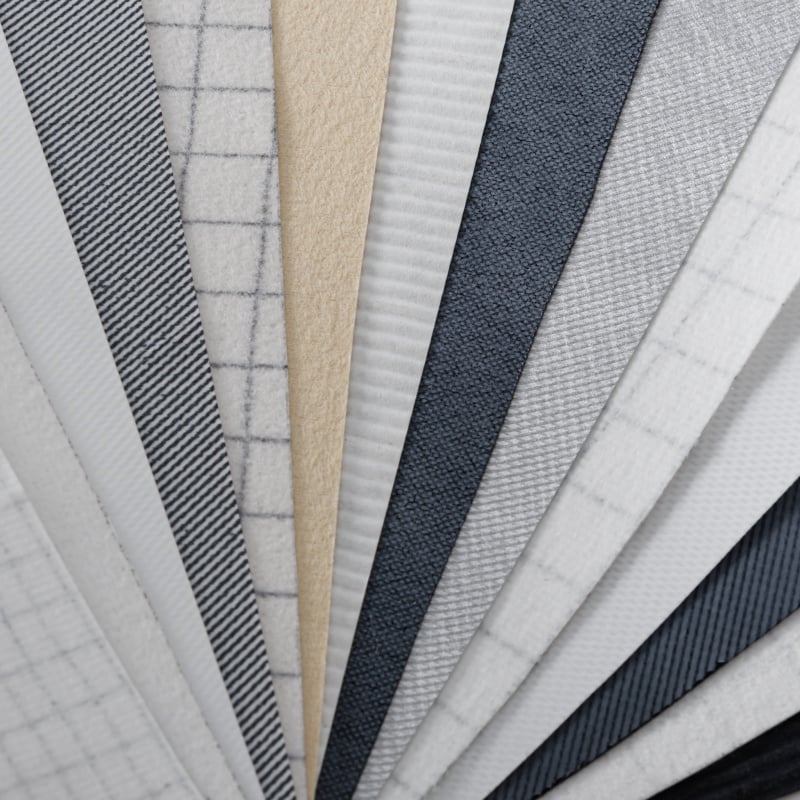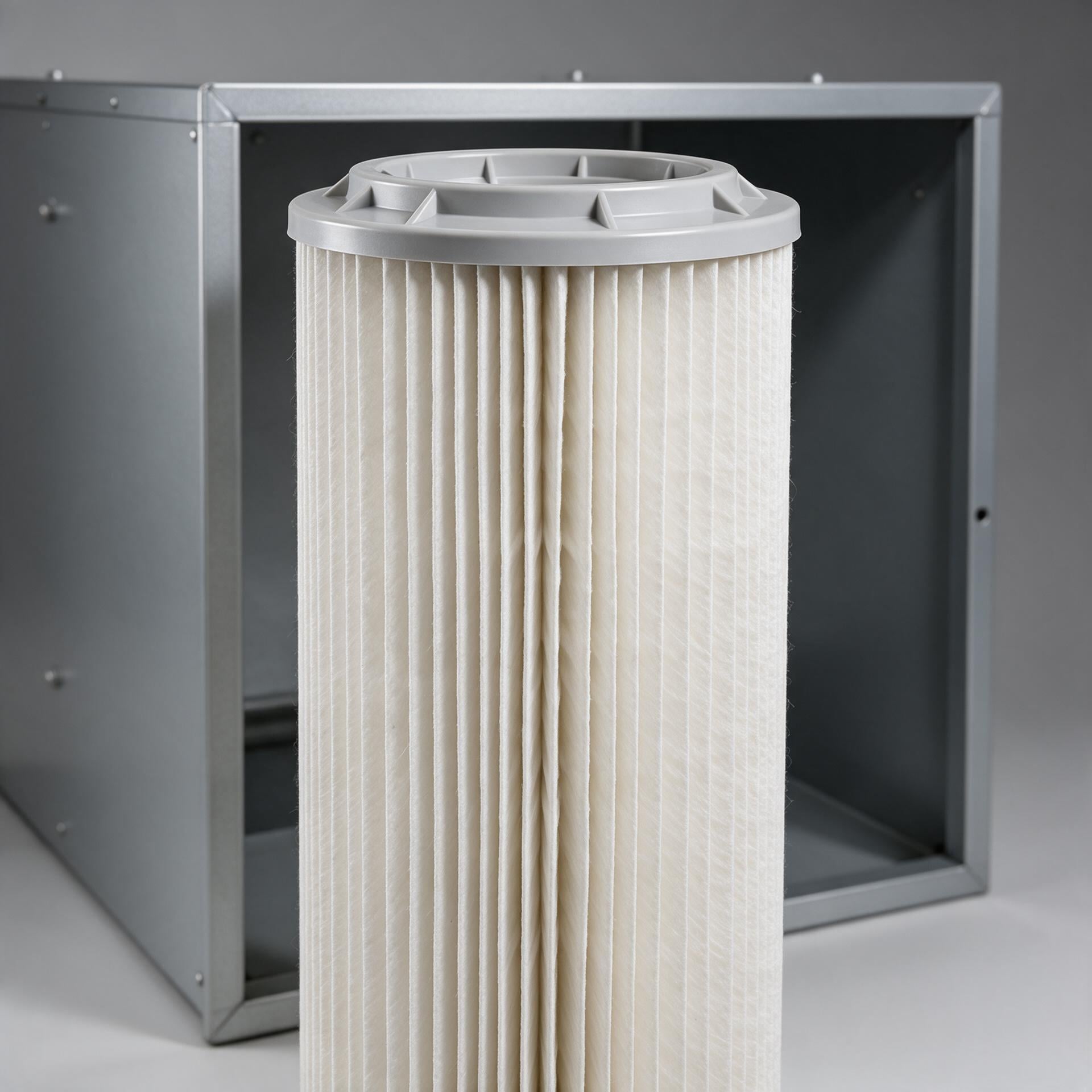
Many industrial buyers still picture a filter element and a metal cage as two separate purchases. When they specify a pleated filter cartridge, that assumption raises cost and creates an extra part to align, inspect and replace. A pleated filter cartridge built with one piece construction folds the support structure into the element itself, so no separate cage has to be fitted before installation. Understanding this difference helps you review specifications, compare quotes and avoid a retrofit that fails for purely mechanical reasons rather than filtration performance. This guide explains how the structure works, where it saves labour and what to verify before you place an order.
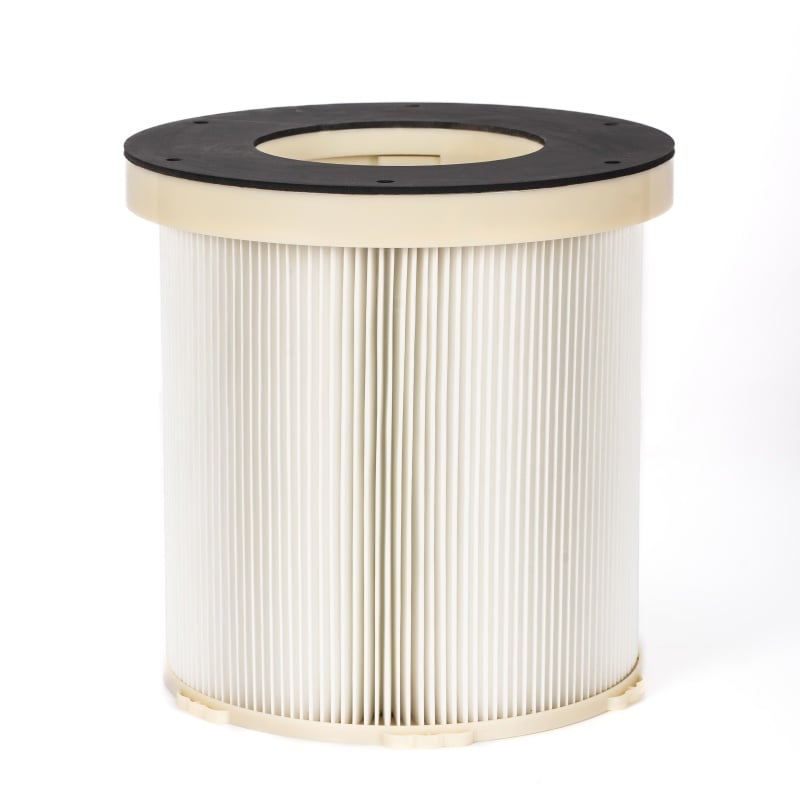
In a conventional sleeve arrangement, a flexible medium needs an external cage to hold it open against the suction of the fan. A pleated filter cartridge takes a different route. The pleated filter media is folded around an inner and an outer liner, and a special fixing process keeps the media from crossing the metal support mesh. The result is a self-supporting cylinder: the element keeps its shape on its own, which is what one piece construction means in practice. You still get the mechanical strength needed for pulse cleaning, but you remove a separate cage from the bill of materials.
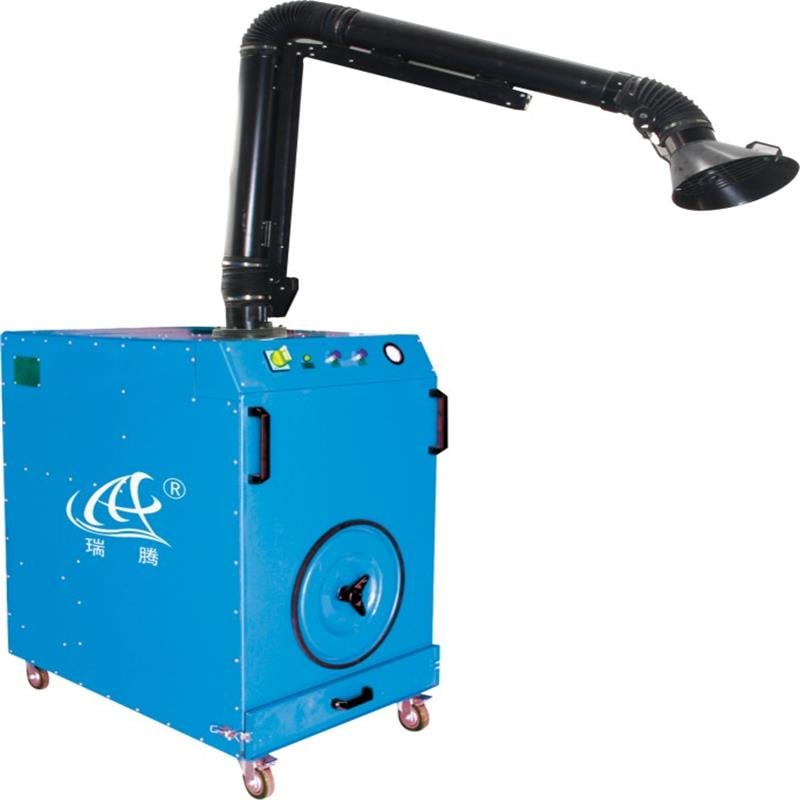
A separate cage is not just an extra line item. Each cage must match the cartridge diameter and end cap, arrive free of burrs, and be seated squarely so the medium does not rub. Misalignment creates an abrasion point that shortens life, and a cage left out during a rushed changeout can let the pleats collapse under differential pressure. Pleat pinching is a related risk: under high pressure the folds can compress if spacers or support mesh are inadequate, so checking pressure drop and pleat condition belongs in routine care. Eliminating a separate cage removes several of these failure points at once. It also reduces the parts count in a cartridge dust collector, which matters when maintenance crews work at height or in confined spaces.
The load path in a pleated filter cartridge runs through the liners and end caps rather than a loose external frame. In conical and cylindrical designs the pleats are wide and deep, with inner and outer liners that resist collapse while keeping the media spaced. A special process prevents excessive movement of the media, and another fixing step stops the folds from crossing the galvanized metal mesh. These details let a pleated filter cartridge handle high airflow in a horizontal installation. Dust holding capacity can be substantially higher than a conventional element, and the galvanized anti-corrosion construction with a rubber gasket supports a tight seal at the tube sheet. When you review a supplier, ask how the one piece construction is achieved, not just how many square metres of media are claimed.
Maintenance is where one piece construction pays back most clearly. Changing a pleated filter cartridge is a single-element operation: open the access door, withdraw the used element, seat the new one and confirm the gasket is even. There is no separate cage to extract, clean and refit, and no chance of installing it backwards. In horizontal drawer layouts, an inclined drawer arrangement gives cleaner access from the clean-air side, and an anti-abrasion baffle at the dirty-air inlet protects the media from direct impact. Plan to inspect pleated filter media every one to three months, and track pressure drop rather than relying on a calendar alone. If pressure drop climbs after pulse cleaning, look for pinched pleats, damaged spacers or a compromised support mesh before blaming the fan.
Consider a multinational heavy-industry enterprise producing tower and crawler cranes. Its boom line welds large carbon-steel sections with MAG and argon-arc processes at points that are not fixed. A generic collection setup could not follow the moving arc, so the team used distributed blow-and-suck capture: supply outlets around four metres high facing extract openings around nine metres high, forming opposed air currents and a local downward cleaning zone. The pleated filter cartridge in the downstream cartridge dust collector had to survive continuous fine metal fume without frequent changeout. Choosing a self-supporting element with wide pleats and a secure gasket reduced the mechanical work of each service interval, letting the crew focus on capture performance rather than reassembling a cage. Jiangsu Renhe documents such configurations among its twenty-plus years of filtration work, and buyers can request similar configuration notes when comparing options.
Before ordering, put structure-specific questions in writing. Confirm that the one piece construction uses both inner and outer liners and that the media fixing method prevents folding into the support mesh. Ask for the applicable test standard for the pleated filter media, such as ISO 16890 where relevant, and request the actual media area rather than a cabinet size. Check the end cap type, the gasket material and the anti-corrosion treatment on metal parts. For a cartridge dust collector, confirm that spare elements are available and that the changeout method suits your access constraints.
Question one: Does one piece construction mean the element is disposable?
It means the element is self-supporting and needs no separate cage; the media is still selected for pulse cleaning and service life, not for single use.
Question two: Can I retrofit a pleated filter cartridge into a baghouse?
Often yes, provided the tube sheet, spacing and cleaning method are checked first. Retrofitting a baghouse with a pleated filter cartridge is common, but it needs a mechanical review, not a like-for-like guess.
Question three: How do I know the pleats are not pinching?
Watch pressure drop across cleaning cycles, inspect pleat spacing at each changeout, and verify that spacers and support mesh are intact.
 Hot News
2026-11-21
2026-11-21
2026-11-21
2026-11-21
2026-11-21
2026-11-20
Renhe focuses on air filter cartridge, gas turbine air filter, Pleated Filter Media, industrial dust, Our main products have been recognized as high-tech products in Jiangsu Province, famous trademarks in Wuxi City, and CE certification.
NO. 31 Xingyuan Road, Jiefang Industrial Park, Gushan Town, Jiangyin City, Jiangsu Province, China (214414)
Copyright © 2024 Jiangsu Renhe Environmental Equipments Co., Ltd Privacy Policy
 EN