A turbine that runs for months between stops gives the maintenance team a narrow window to replace the gas turbine inlet air filter. Replacing the gas turbine inlet air filter during a planned shutdown is a job where preparation matters more than speed, because a rushed change can leave a bypass path or a loose seal. This guide sets out a practical replacement procedure built around common engineering practice. It does not invent shutdown durations or labour figures; instead it describes the decisions and checks that make the change safe and repeatable. The aim is to help a plant team plan the work before the unit comes offline.
A planned shutdown is valuable time, so everything that can be prepared beforehand should be. Confirm the exact gas turbine inlet air filter model and quantity, and check that spare gaskets and seals are on site. Review the pressure drop trend recorded before the stop, since it explains why the change is due and which stage was loading fastest. Make sure the access platform and lifting points around the filter house are clear. A team that arrives at the unit with parts, records and access already arranged spends the window on the work itself. Good preparation is the single biggest factor in a smooth replacement procedure.
The decision to change an element should come from condition, not only from a calendar. In the knowledge base, self-cleaning intake filters are monitored through differential pressure, and pressure drop is a standard signal for filter condition across dry filtration systems. Before the shutdown, record the gas turbine inlet air filter pressure drop at clean and loaded states. If the loaded value has crept up despite self-cleaning, the element is due. If a particular stage shows the largest rise, focus the work there. Using pressure drop as the trigger avoids changing elements that still have useful life and ensures that the ones causing restriction are replaced during the window.
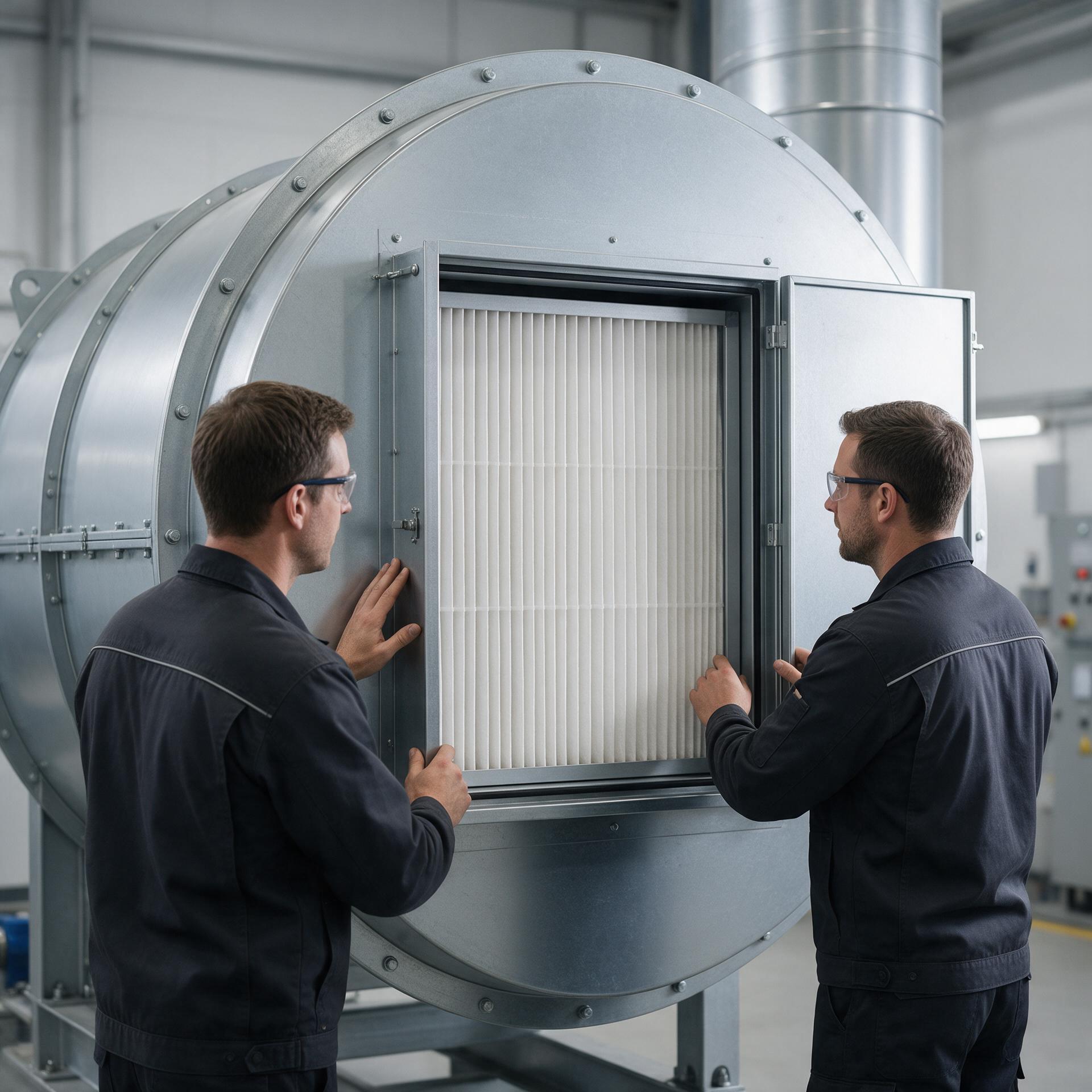
The sequence in the filter house should be deliberate. First isolate and lock out the relevant fans and dampers, and let the system settle. Open the access door and inspect the layout before touching anything. Remove the spent gas turbine inlet air filter carefully, taking care not to drop debris into the duct. Check the seat and frame for dust buildup or damage, and clean the contact surface. Fit the new element with its gasket seated evenly, then confirm that it sits squarely so no air can bypass the media. Close the access door only after a visual check. Throughout the replacement procedure, cleanliness matters: loose material left in the intake can be drawn straight into the compressor.
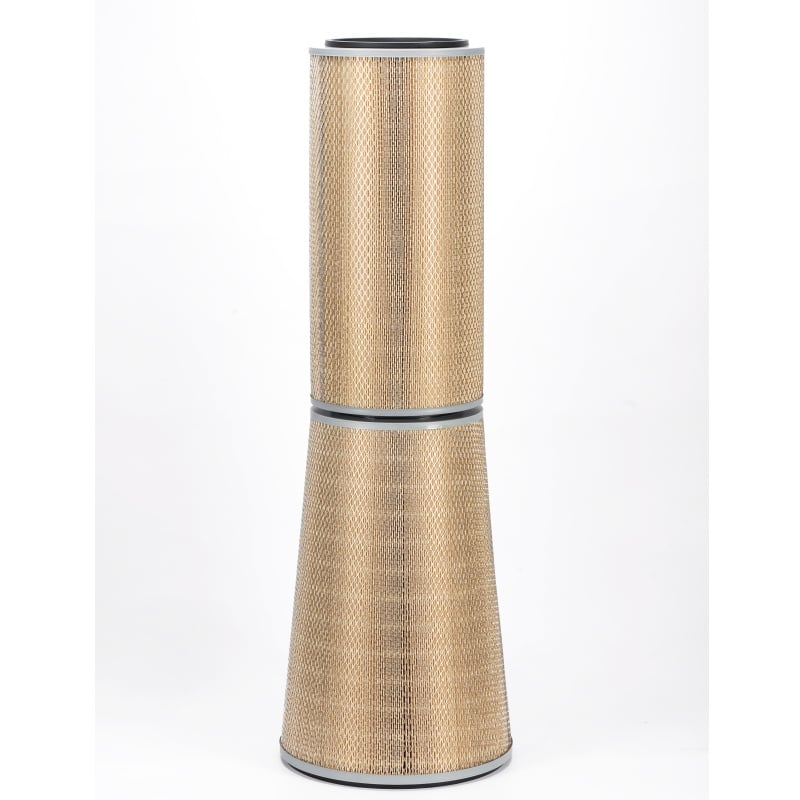
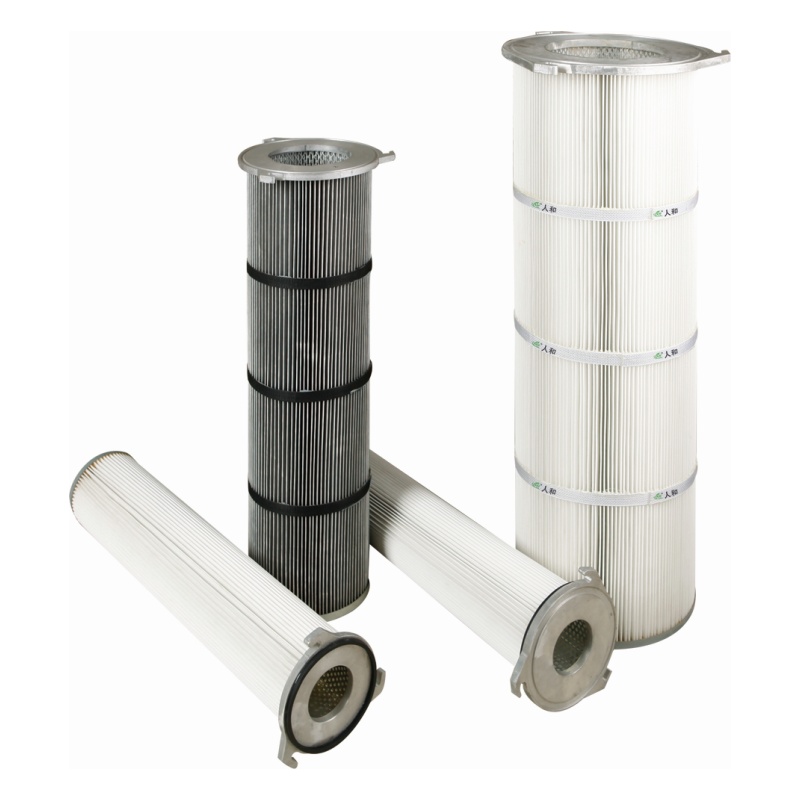
Two errors cause most post change problems. The first is a poor seal, where the gasket does not sit evenly and air bypasses the filter. The second is incorrect orientation, where the element is fitted the wrong way round. Both are easy to make in a confined filter house under time pressure. The conical and cylindrical filter cartridges in the knowledge base use rubber gasket options and are built for horizontal installation, so the seating arrangement should be confirmed against the original specification. After fitting each gas turbine inlet air filter, pause and check the seat before moving to the next. A few seconds of verification is cheaper than a restart with a leak.
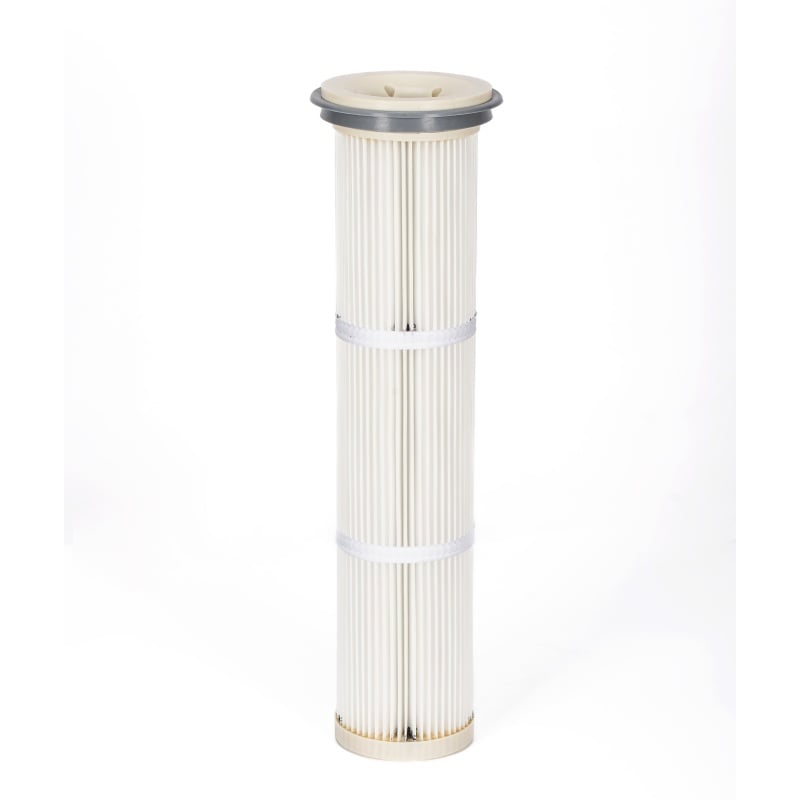
An anonymous industrial power site used the annual turbine overhaul to change its intake filtration. The filter house had a self-cleaning air intake filter, a prefilter and a final gas turbine inlet air filter stage. Before the stop, the team logged a gradual rise in pressure drop on the final elements despite normal self-cleaning. During the shutdown they replaced the final stage, cleaned the seats and inspected the gaskets. Jiangsu Renhe supplied filter cartridges matched to the intake application. The crew followed a written replacement procedure and recorded the resistance after restart, giving a clean baseline for the next cycle. That case shows how a planned shutdown turns a filter change into a controlled, well documented task.
The work is not finished when the last gas turbine inlet air filter is fitted. After the access door is closed, the team should verify that all tools and loose parts are removed from the intake. Start the fans and check the pressure drop of the gas turbine inlet air filter against the expected clean value. A value that is too low may indicate a bypass; one that is too high may indicate a blocked or poorly seated element. Listen for unusual airflow noise and inspect for visible dust at the outlet. Record the baseline resistance so the next replacement procedure can be planned from trend data. These commissioning checks close the loop between preparation and result.
Question one: When should the intake filter be changed?
Answer: Use pressure drop and condition as the trigger. If the loaded value keeps rising despite self-cleaning, plan the change for the next planned shutdown rather than waiting for a fixed date.
Question two: What is the most common mistake during replacement?
Answer: A poor gasket seal or wrong orientation. Both let air bypass the gas turbine inlet air filter, so check each seat before closing the filter house.
Question three: How do I confirm the change succeeded?
Answer: Restart the fans and compare pressure drop with the expected clean value, then check for bypass signs and record a new baseline. Verify test documents and keep the readings with the maintenance record.
 Hot News
2026-11-21
2026-11-21
2026-11-21
2026-11-21
2026-11-21
2026-11-20
Renhe focuses on air filter cartridge, gas turbine air filter, Pleated Filter Media, industrial dust, Our main products have been recognized as high-tech products in Jiangsu Province, famous trademarks in Wuxi City, and CE certification.
NO. 31 Xingyuan Road, Jiefang Industrial Park, Gushan Town, Jiangyin City, Jiangsu Province, China (214414)
Copyright © 2024 Jiangsu Renhe Environmental Equipments Co., Ltd Privacy Policy
 EN