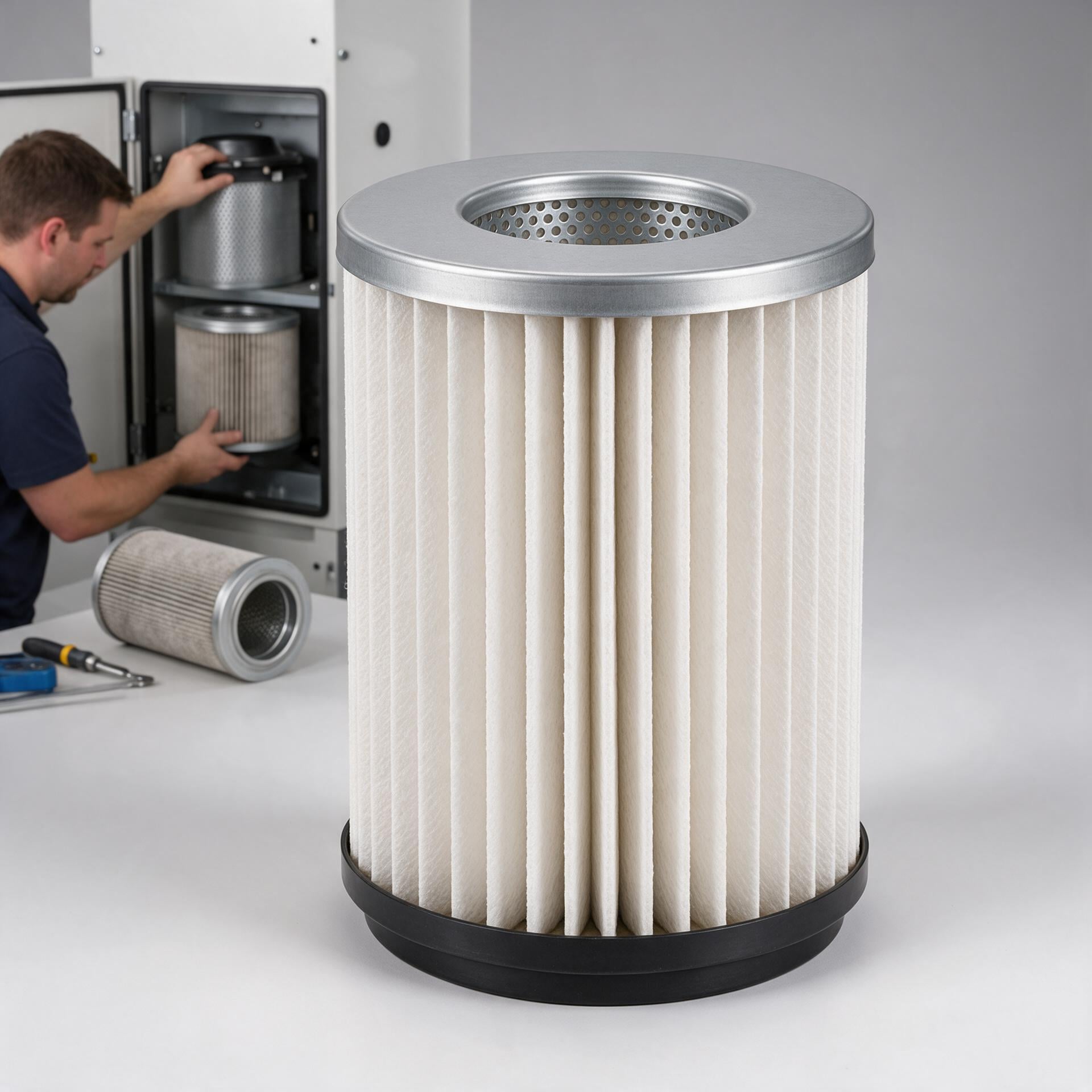
Maintenance time is a direct cost in a dust collection system, and most of it is spent changing filters. A plant that stops a production line for a slow filter change pays for the stoppage twice: once in labour and once in lost output. The design of the collector decides how long that job takes. This guide explains how drawer replacement, bottom loading and matched end cap fittings reduce maintenance time for a dust collector filter cartridge change, using the RH XLC II horizontal collector as the reference. The focus is on practical service steps, not on a sales claim about speed.
A filter change is more than lifting out an old element. The crew must isolate the fan, open the cabinet, reach the element without spreading dust, remove it, clean the seat, fit a new seal and close up before testing. In a poorly arranged collector, several of those steps require awkward access or special tools. A cartridge dust collector designed for service removes the awkward steps. When elements slide out from the clean side, the technician works in clean air and does not need to contain a cloud of dust on the floor. That single change removes a large share of the cleanup time and maintenance time associated with replacing a dust collector filter cartridge.
The RH XLC II uses a fifteen degree inclined drawer arrangement. Each element can be slid out from the clean side without dismantling neighbouring parts. Because the drawer travels on a defined path, the technician does not have to manoeuvre a heavy element through a crowded cabinet. The changed element is removed in a controlled way, and the seat is exposed for a quick wipe before the new one goes in. This drawer replacement method also keeps the aisle cleaner, which shortens the final tidy up and reduces maintenance time. For a plant running short maintenance windows, the difference between a drawer replacement design and a top lift design is measured in the number of people required and the time the line stands idle.
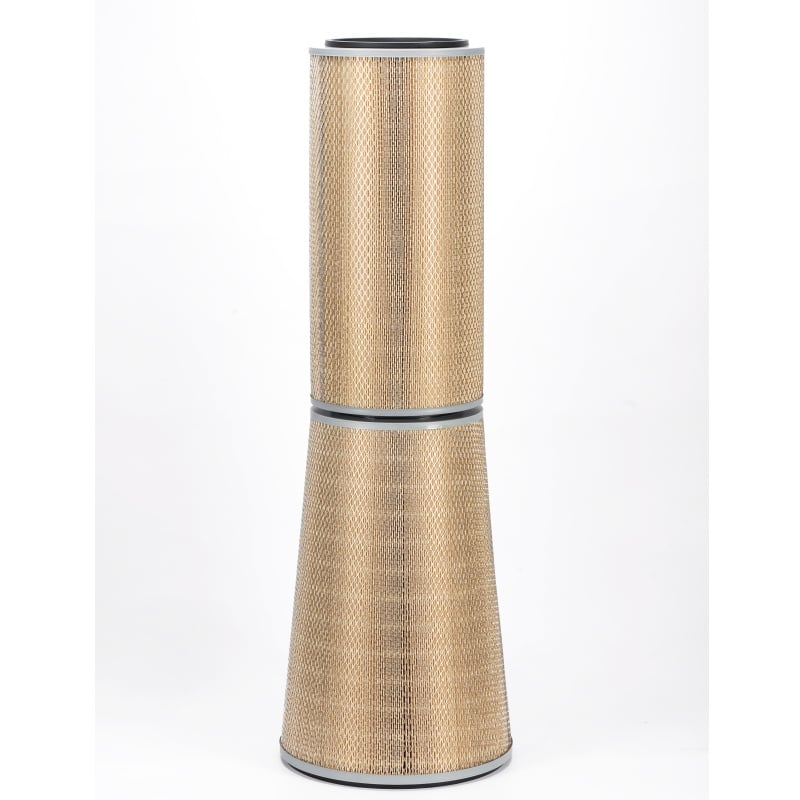
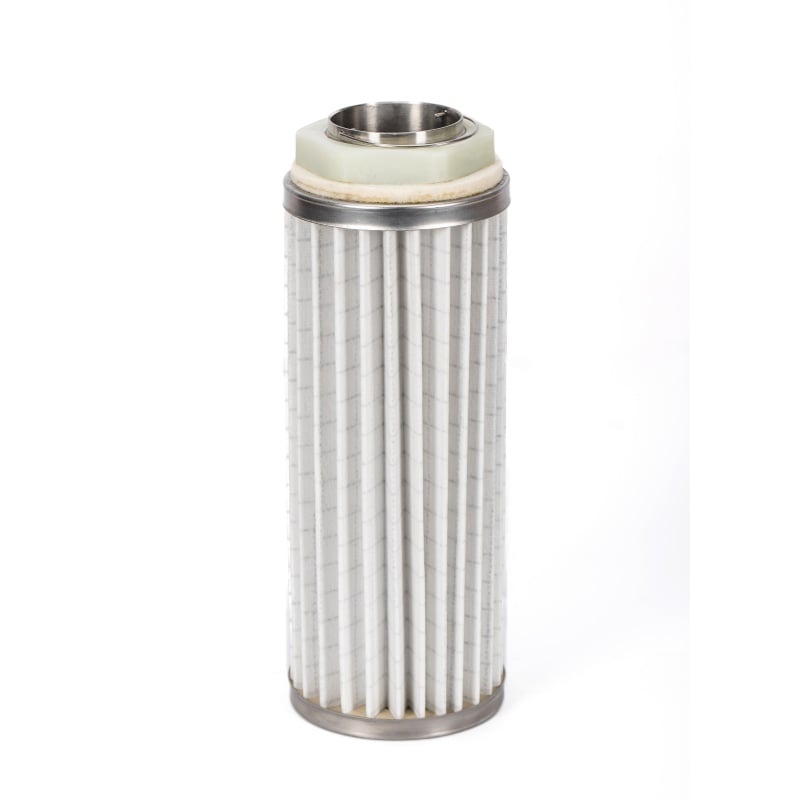
Not every collector uses a horizontal drawer. Bottom loading cartridge filters are changed from below, which suits installations where top access is blocked; this bottom loading approach is common in compact plant rooms. These units keep the same pleated media principles: wide pleat depth, inner and outer liner, and a construction that holds the media in place. End connections are offered as SQUARE CAP, TWIST LOCK, thread type and three lug or four lug forms, with rubber gasket options. Those end cap fittings matter because a cartridge that drops straight into a matched seat needs no adjustment. When a replacement dust collector filter cartridge matches the original end cap and gasket, the change becomes a repeatable task rather than a fitting exercise. Confirming the cap type before ordering avoids a delay at the scheduled stop.
A repeatable dust collector filter cartridge change procedure protects both speed and safety. First isolate and lock out the fan. Slide the spent element out along the drawer path and place it in a sealed bag. Wipe the seat and inspect the gasket for cracks or flattening. Fit the new dust collector filter cartridge with its gasket seated evenly, then close the cabinet and restore power. In a cartridge dust collector with no internal transmission parts, there is no drive mechanism to reset. Keeping the steps consistent is what actually reduces maintenance time over many cycles.
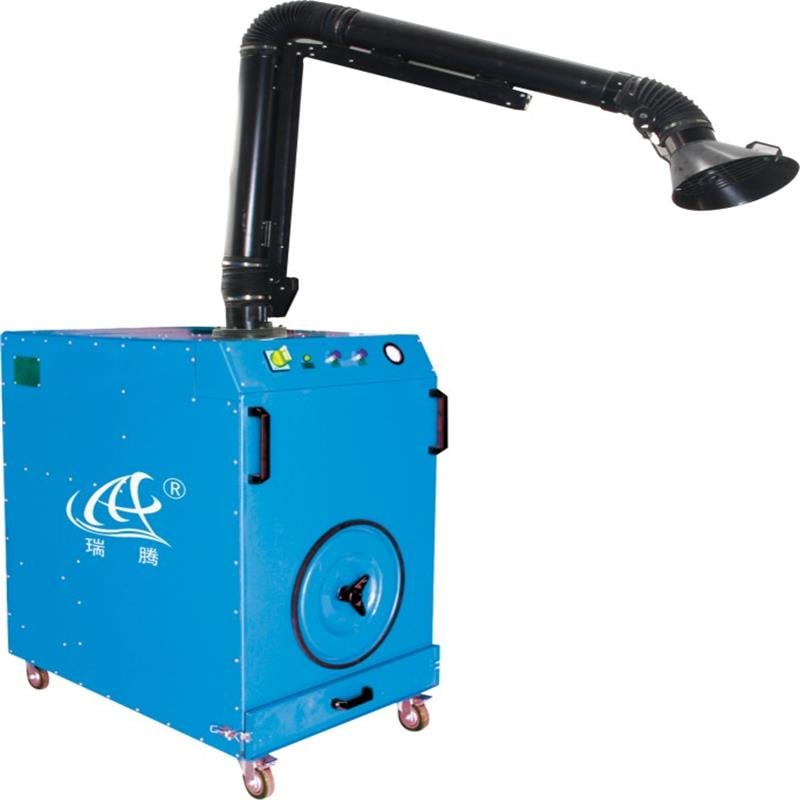
An anonymous heavy industry operation welding large carbon steel booms had welding points that moved along the work piece. A fixed hood could not follow the arc, so the team used distributed blowing and suction capture, with supply outlets around four metres high and exhaust inlets around nine metres high forming a controlled downflow. The collected fume passed to a filtration stage supplied by Jiangsu Renhe. Because the shop ran long shifts, maintenance windows were short and filter changes had to be quick. The inclined drawer access of the cartridge collector allowed service from the clean side without stopping neighbouring stations. That case shows how easy replacement of a dust collector filter cartridge supports uptime in a real production setting.
The most common delays in changing a dust collector filter cartridge are self inflicted. Ordering the wrong end cap means the new element will not seat. Losing the old gasket means the crew must search for a spare. Ignoring a damaged seat means the new element leaks from the start. A short pre stop check of end cap type, gasket quantity and drawer replacement clearance removes all three problems and cuts maintenance time. Teams should also compare product options before the stop, so the correct dust collector filter cartridge is on site rather than on order. Requesting material guidance from the supplier is a reasonable step when the original specification is unclear. Good planning turns a dust collector filter cartridge change into a routine task with a predictable maintenance time.
Question one: Which access type changes filters fastest?
Answer: An inclined drawer that slides elements out from the clean side is usually quickest, because the technician works in clean air and the seat is exposed. Bottom loading is chosen when top access is blocked.
Question two: Do end cap types affect maintenance time?
Answer: Yes. A dust collector filter cartridge with a matched SQUARE CAP, TWIST LOCK, thread or lug fitting drops into place without adjustment, which keeps the change repeatable and short.
Question three: How can I reduce stoppage time further?
Answer: Keep spare gaskets on site, record resistance at start up, and confirm the cap type before ordering. In a cartridge dust collector with no internal drive parts, these steps remove most avoidable delays.
 Hot News
2026-11-21
2026-11-21
2026-11-21
2026-11-21
2026-11-21
2026-11-20
Renhe focuses on air filter cartridge, gas turbine air filter, Pleated Filter Media, industrial dust, Our main products have been recognized as high-tech products in Jiangsu Province, famous trademarks in Wuxi City, and CE certification.
NO. 31 Xingyuan Road, Jiefang Industrial Park, Gushan Town, Jiangyin City, Jiangsu Province, China (214414)
Copyright © 2024 Jiangsu Renhe Environmental Equipments Co., Ltd Privacy Policy
 EN