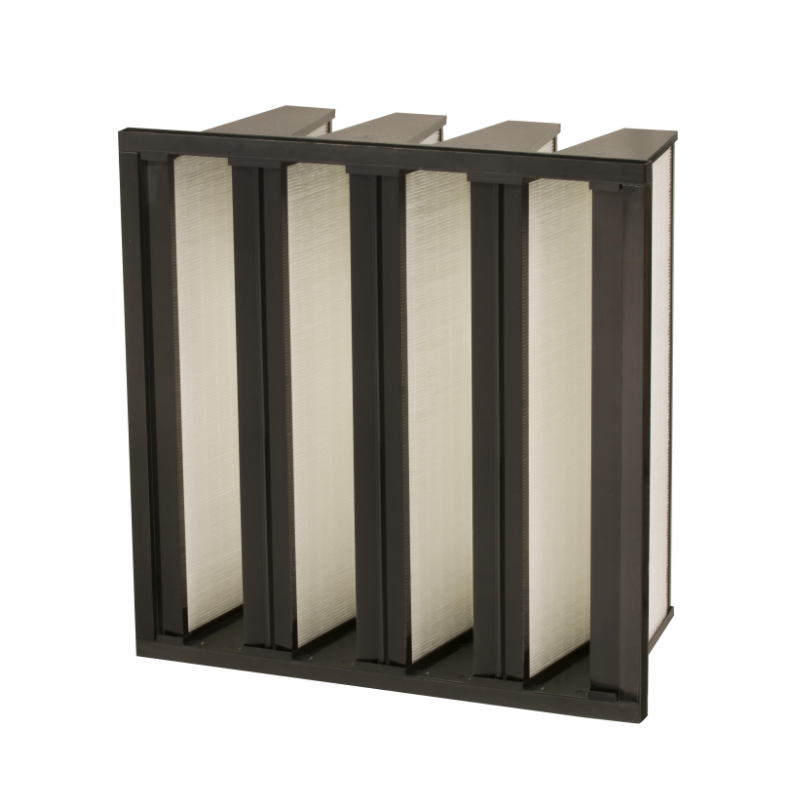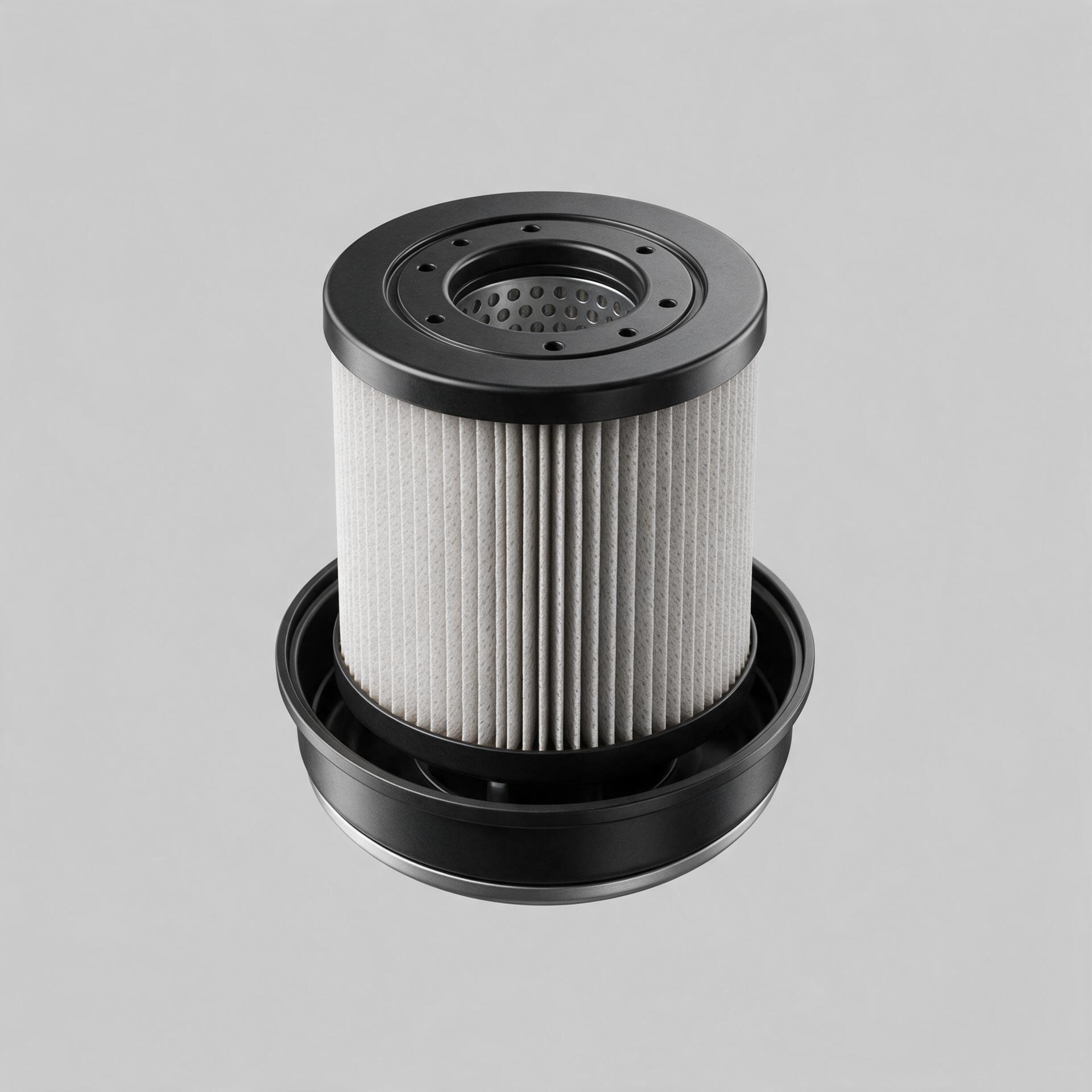
When a maintenance manager asks what a replacement filter cartridge costs, the invoice price is only the beginning. The real figure includes planning time, technician hours, gasket handling, and the production minutes lost while a collector is open. A direct fit filter cartridge removes one entire category of work: modification. If the new element drops into the existing housing with the same end cap geometry and seal surface, the change becomes a routine task rather than a small engineering project. That distinction is why procurement teams increasingly compare total cost of ownership instead of unit price. Start by listing every step your crew performs today, then mark which steps disappear when a replacement filter cartridge matches the original dimensions. Filter replacement downtime belongs in that list from day one, and cartridge end caps deserve the same attention.
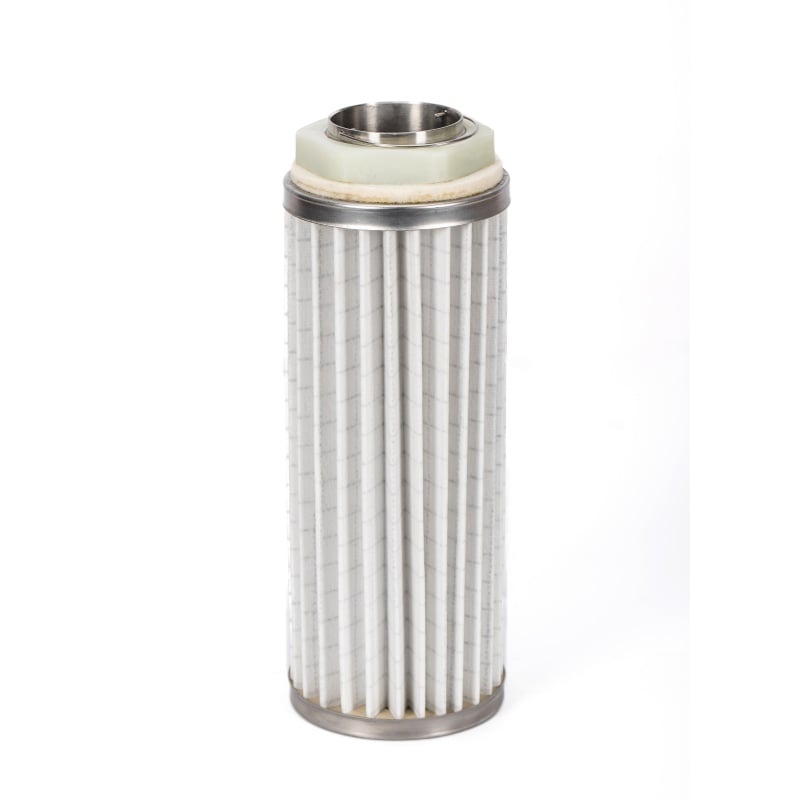
A direct fit filter cartridge is a practical claim about interfaces, not a marketing adjective. It means the replacement filter cartridge uses the same diameter, length, end cap pattern, and gasket seating as the element it replaces, so existing clamps, cages and cartridge end caps remain in place. A direct fit filter cartridge should not require new brackets, adaptors, or field drilling. The benefit appears twice: installation is faster, and the risk of a leak path created by improvisation is lower. When you review a supplier's offer, ask for the dimensional drawing and compare it against your housing drawing rather than relying on a catalogue photograph. Cartridge housing compatibility also keeps airflow behaviour consistent, because a replacement filter cartridge keeps media area and pleat geometry close to the original design.
The end cap is where most compatibility problems begin. Common patterns include square caps, twist-lock designs, threaded types, and three-lug or four-lug arrangements. A cartridge end cap that looks similar from a distance can still seat incorrectly, producing a bypass path that quietly lowers efficiency. Cartridge housing compatibility should be checked at three points: the cap profile, the gasket groove, and the available axial space for insertion. Suppliers working with a broad cartridge range can usually confirm these details from a drawing. In our product range, end cap options such as SQUARE CAP, TWIST-LOCK, Thread type, and multi-lug patterns are documented precisely for this reason. Treat cartridge end caps as a selection category, not a detail to settle after the order. Before any replacement filter cartridge is ordered, match its cap to the housing record.
Filter replacement downtime is often the largest hidden cost in a maintenance budget. In a continuous plant, opening a collector means coordinating with production, isolating the fan, and sometimes working in a confined space. Every extra minute carries a cost. A direct fit filter cartridge that fits on the first attempt removes the trial-and-error phase that dominates unplanned changes. Filter replacement downtime also falls when spares are standardised: if one replacement filter cartridge part number serves several housings, inventory shrinks and technicians build muscle memory. When you build the business case, put an hourly figure against the change-out window and compare it with the price difference between a matched element and a cheaper generic one. The gap often closes faster than expected.
Consider a multinational heavy-industry enterprise manufacturing tower and crawler cranes. Its boom line handles large carbon steel components with welding points that are not fixed, using MAG and argon arc welding. The plant adopted distributed blow-and-suction collection, with blow outlets around four metres high and suction inlets around nine metres, forming opposed airflow that creates a local downward circulation. In such a layout, cartridges sit in several units across the bay and are changed on a rolling schedule. A buyer studying this arrangement would find that a direct fit filter cartridge dropping straight into each housing removes the need to keep adaptors at every station. The practical lesson is standardisation: one replacement filter cartridge across the fleet. Cartridge end caps become easier to manage when every unit accepts the same part, and cartridge housing compatibility turns predictable as filter replacement downtime falls.
Before releasing a purchase order, run a short verification. Confirm the housing model and the original part number. Compare the dimensional drawing for diameter, length, and cap pattern. Check whether the gasket is supplied and whether its material suits your temperature and dust. Ask how the media is fixed at the pleats, because a loose pleat can pinch under pulse cleaning. Confirm the expected pressure drop baseline so you know when the next change is due. Finally, request a written statement that the direct fit filter cartridge matches your housing. A replacement filter cartridge is a consumable, but treating it as an engineered interface is what keeps filter replacement downtime low and cartridge housing compatibility predictable across many cycles. Request specifications and compare options before committing.
Question one: Does a direct fit filter cartridge always cost more per unit?
Answer: Not necessarily. A matched element can be priced close to a generic one, and the saving appears in labour and avoided modification. Compare the delivered cost including installation time, not only the catalogue price.
Question two: How can I confirm cartridge end caps match my housing?
Answer: Compare cartridge end caps and the gasket groove against the housing drawing, and check whether a rubber gasket is included. If the supplier cannot provide a dimensioned drawing, treat cartridge housing compatibility as unverified.
Question three: How often should a replacement filter cartridge be changed?
Answer: Use differential pressure as the trigger for filter replacement downtime rather than a fixed calendar date. Track the baseline after installation and schedule replacement when the operating resistance stays high even after cleaning. Verify the trend with your own readings.
 Hot News
2026-11-21
2026-11-21
2026-11-21
2026-11-21
2026-11-21
2026-11-20
Renhe focuses on air filter cartridge, gas turbine air filter, Pleated Filter Media, industrial dust, Our main products have been recognized as high-tech products in Jiangsu Province, famous trademarks in Wuxi City, and CE certification.
NO. 31 Xingyuan Road, Jiefang Industrial Park, Gushan Town, Jiangyin City, Jiangsu Province, China (214414)
Copyright © 2024 Jiangsu Renhe Environmental Equipments Co., Ltd Privacy Policy
 EN