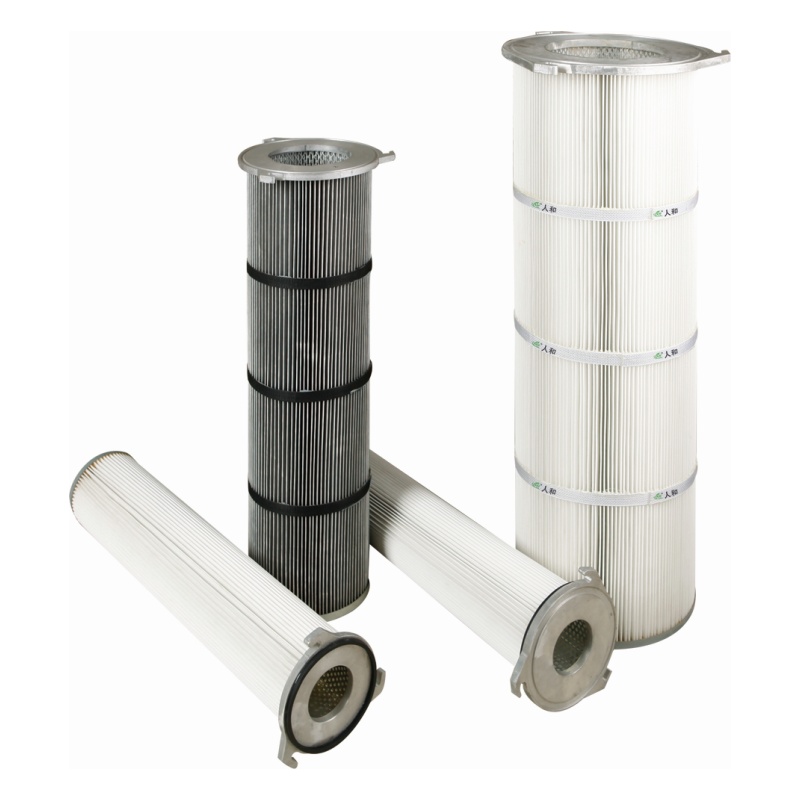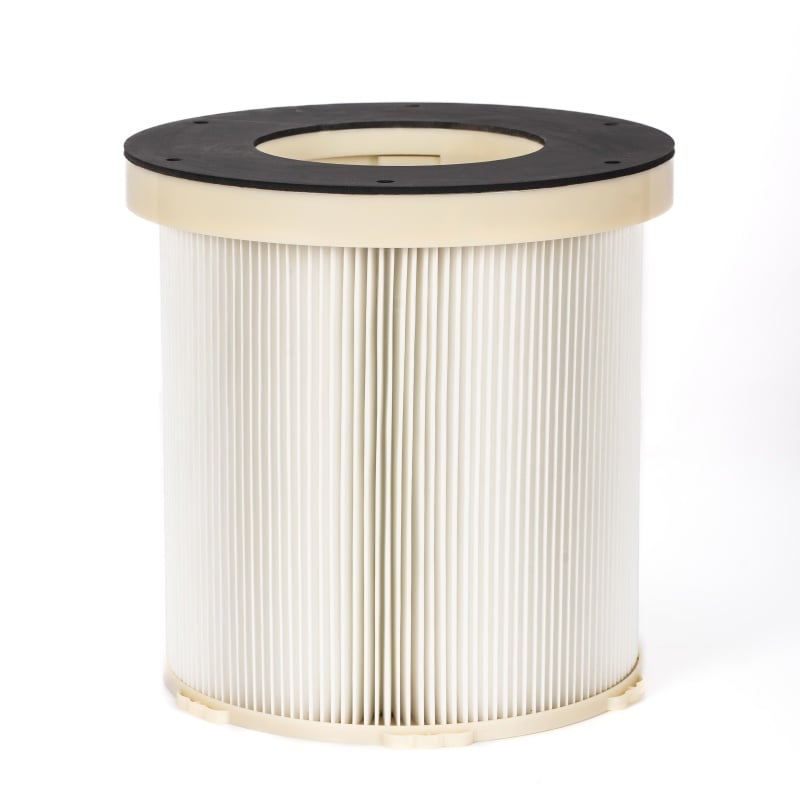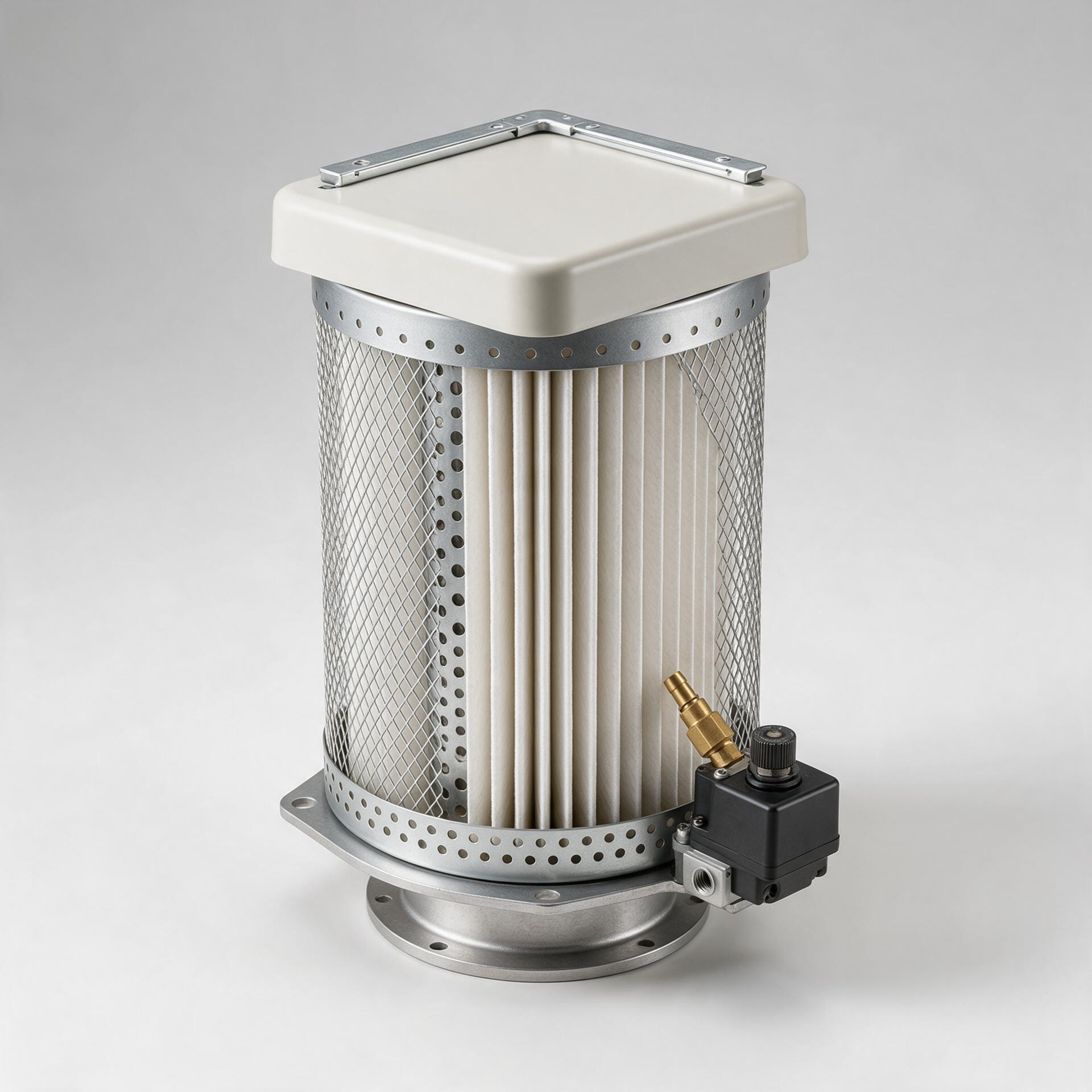
Turbo blowers and Roots blowers move large volumes of air, and everything in that air reaches the machine. In a dusty plant, a blocked intake filter means reduced flow, higher energy draw, and premature wear on rotors and seals. Buyers often notice the problem only after output falls or a bearing fails. A self-cleaning air filter addresses this by removing dust continuously without a shutdown, keeping the intake path open. This guide explains the filtration principle, how pulse jet cleaning controls pressure drop, and what to verify before choosing a blower intake filter.
A blower compresses whatever it draws in. Dust carried into the inlet acts as an abrasive inside the machine, scoring rotor surfaces and wearing clearances that were set at the factory. Even fine particles that pass the first stage can deposit on coolers and valves. That is where a self-cleaning air filter earns its place. A properly specified blower intake filter removes the bulk of that load before it reaches the critical parts. The cost of a dirty intake shows up as reduced capacity and unplanned maintenance, not as a line item. For continuous duty, protecting the blower through clean intake air is cheaper than repairing it.
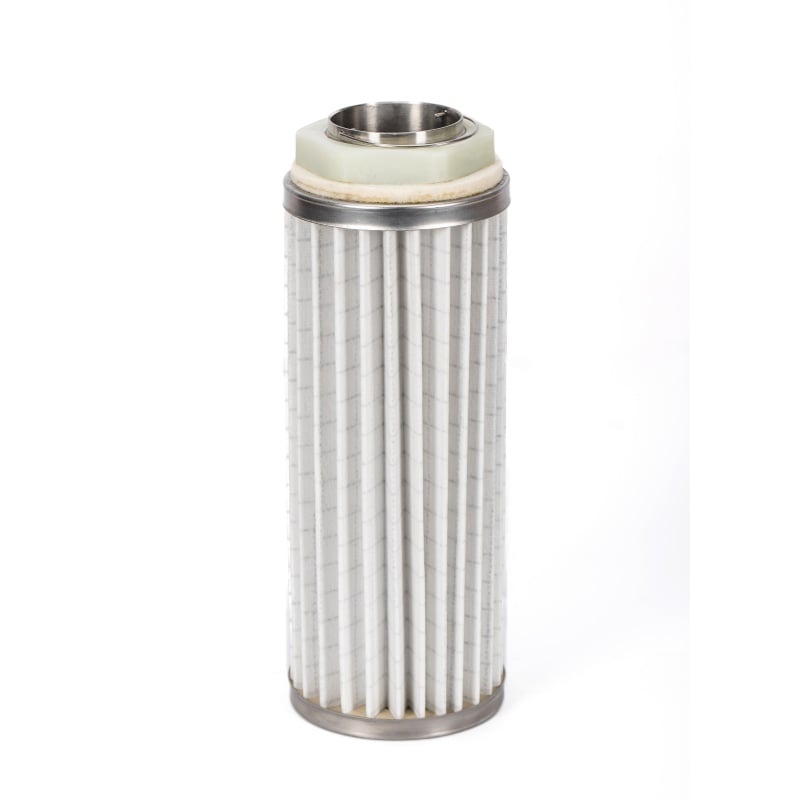
A self-cleaning air filter uses pleated media arranged so dust collects on the outer surface while clean air passes to the intake duct. As the dust cake builds, the pressure drop across the media rises. A differential pressure sensor watches this change and triggers cleaning when a set point is reached. Short bursts of compressed air pulse through the filter cartridge from the clean side, flexing the pleats and shaking the dust cake loose. The released dust falls into a hopper or is carried away by a purge flow. Because cleaning happens online, the self-cleaning air filter keeps supply steady and avoids the manual changeouts that a static unit demands.
Pulse jet cleaning is the mechanism that keeps a self-cleaning air filter working over long runs. The goal is not to scrub the media spotless but to knock off enough dust that pressure drop returns to a stable working band. Cleaning on a fixed timer is wasteful; cleaning only when differential pressure rises saves compressed air and reduces media stress. A well tuned pulse jet cleaning sequence uses the shortest effective burst at the lowest practical air pressure. If cleaned pressure drop keeps climbing, the filter cartridge may be the wrong media for the dust, or the pleats may be pinched. Tracking the trend is more useful than watching a single reading.
Roots and turbo blowers differ in how they handle intake air, but both benefit from a clean supply. A turbo blower runs at high speed with tight clearances, so even a modest particle load can erode the impeller. A Roots blower tolerates more yet still suffers when dust enters the lobes. A blower intake filter sized for the actual inlet volume protects both, provided the media matches the particle size present. In high dust environments, a self-cleaning air filter is often paired with a pre-separation stage that removes coarse grit first. This extends the life of the final filter cartridge and keeps pressure drop predictable across seasons.
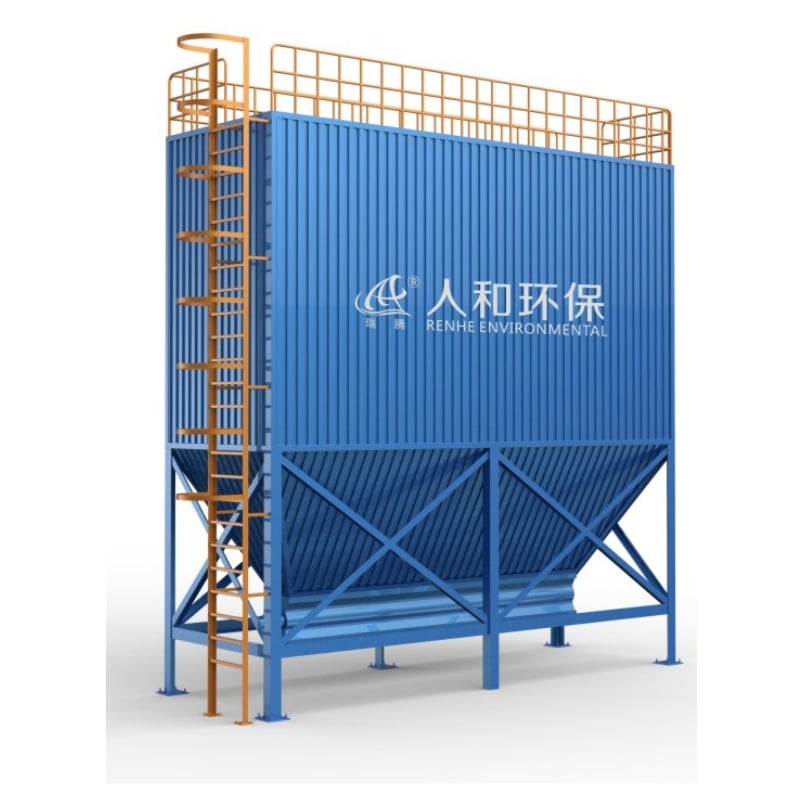
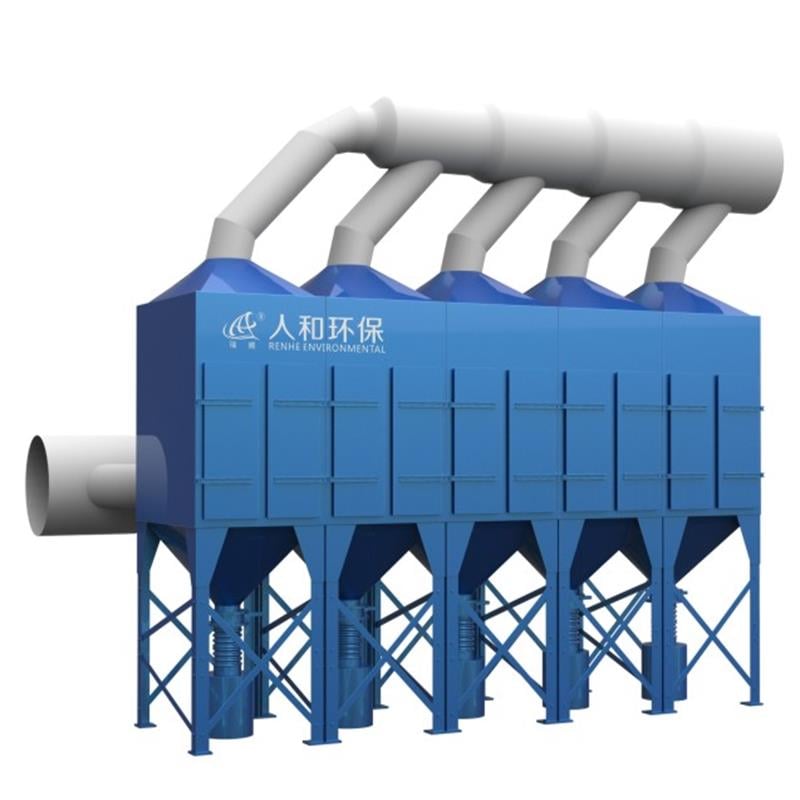
Consider a foundry with a temperature and humidity controlled casting workshop where sand handling releases fine dust. An automatic sand drenching line used a suction hood at the sand pipe to capture dust, drew it through ducting into a cartridge collector, and returned cleaned air to the room. That same dust-laden surroundings make a blower intake filter essential for any process air or combustion air blower on site. Here a self-cleaning air filter protects the blower from the fine fraction that escapes local capture, while pulse jet cleaning holds pressure drop steady through a long shift. The lesson is to treat intake protection as part of the whole dust picture, not as an isolated component.
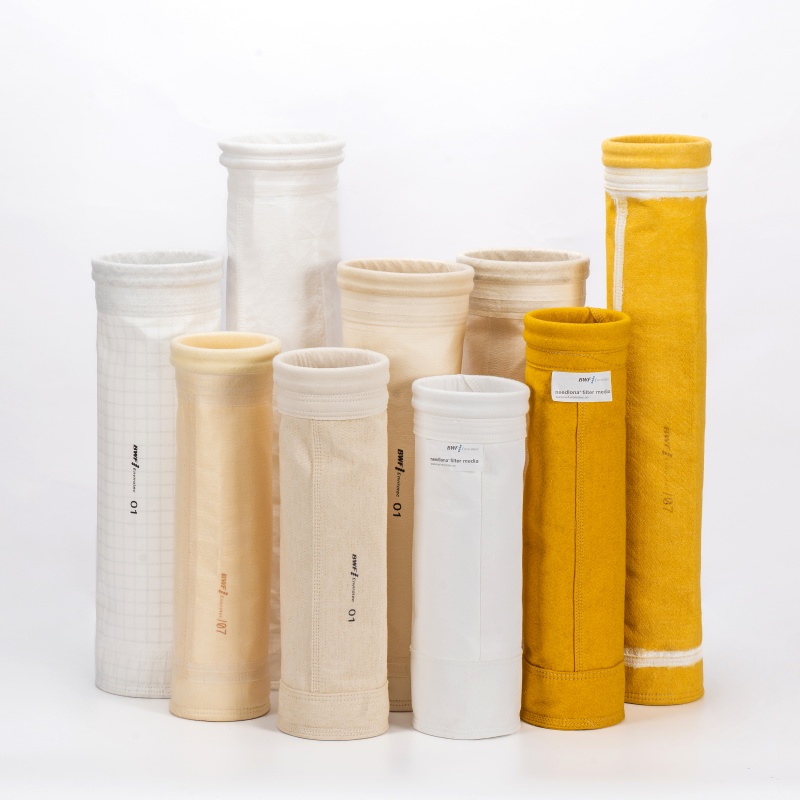
Before ordering, confirm the inlet volume of your blower and the pressure drop budget you can afford. A blower intake filter that is too small loads quickly and drives energy costs up; one that is oversized wastes cabinet space. Ask the supplier for tested media efficiency, the cleaning air requirement, and the recommended differential pressure set points. For a self-cleaning air filter, verify that spare filter cartridge options exist and that the pulse jet cleaning hardware is serviceable. A supplier with two decades of filtration experience and relevant certifications can document performance rather than promise it. Compare product options and request material guidance before you commit.
Question one: How often does a self-cleaning air filter need cleaning?
Answer: Cleaning is triggered by differential pressure rather than a calendar. The self-cleaning air filter pulses when the set point is reached, so frequency depends on dust load. If pulse jet cleaning runs almost continuously, check for a media mismatch or a leak.
Question two: Can one blower intake filter serve both a Roots blower and a turbo blower?
Answer: Only if inlet volumes and particle loads are compatible. Size the blower intake filter for the larger flow and confirm the media captures the finer fraction. A turbo blower usually needs tighter filtration than a Roots machine.
Question three: What does a rising pressure drop after cleaning indicate?
Answer: It suggests the filter cartridge is loading faster than pulse jet cleaning can clear it, or that pleats are pinched. A self-cleaning air filter should recover after each burst. Review the dust characteristics and the filter cartridge media with the supplier before replacing hardware.
 Hot News
2026-11-21
2026-11-21
2026-11-21
2026-11-21
2026-11-21
2026-11-20
Renhe focuses on air filter cartridge, gas turbine air filter, Pleated Filter Media, industrial dust, Our main products have been recognized as high-tech products in Jiangsu Province, famous trademarks in Wuxi City, and CE certification.
NO. 31 Xingyuan Road, Jiefang Industrial Park, Gushan Town, Jiangyin City, Jiangsu Province, China (214414)
Copyright © 2024 Jiangsu Renhe Environmental Equipments Co., Ltd Privacy Policy
 EN