When sticky or abrasive dust blinds a fabric bag within weeks, plant engineers start looking for a rigid alternative. A sintered plate dust collector replaces flexible bags with a molded porous element that holds its shape under load and releases dust easily. Buyers are drawn to the promise of a washable filter and a much larger surface area, but the real question is whether rigid filtration suits their dust and their cleaning method. This guide explains the structure, the area gain, and the maintenance tradeoffs so you can review specifications on merit.
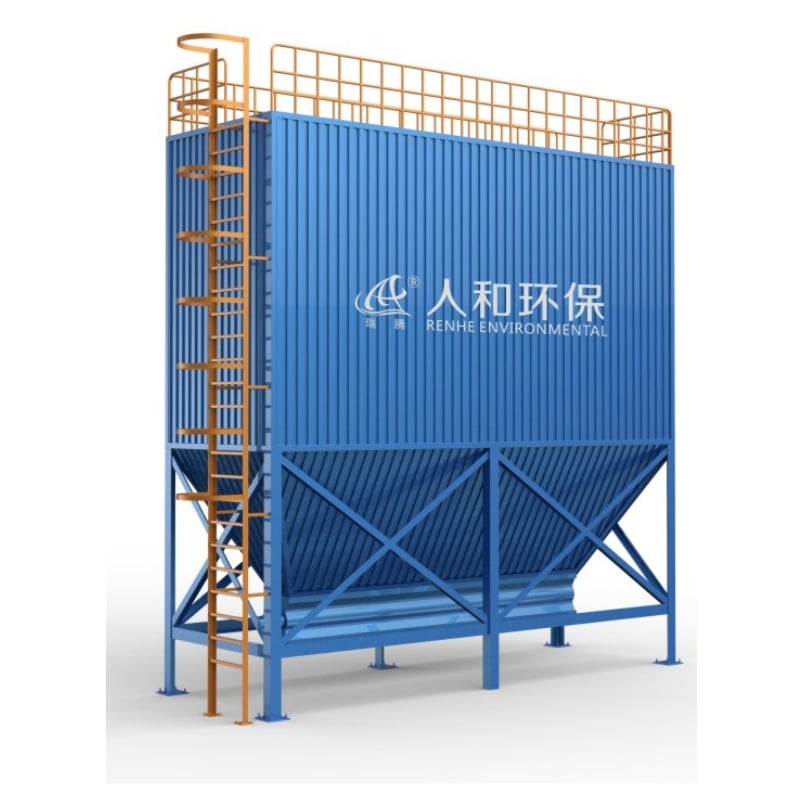
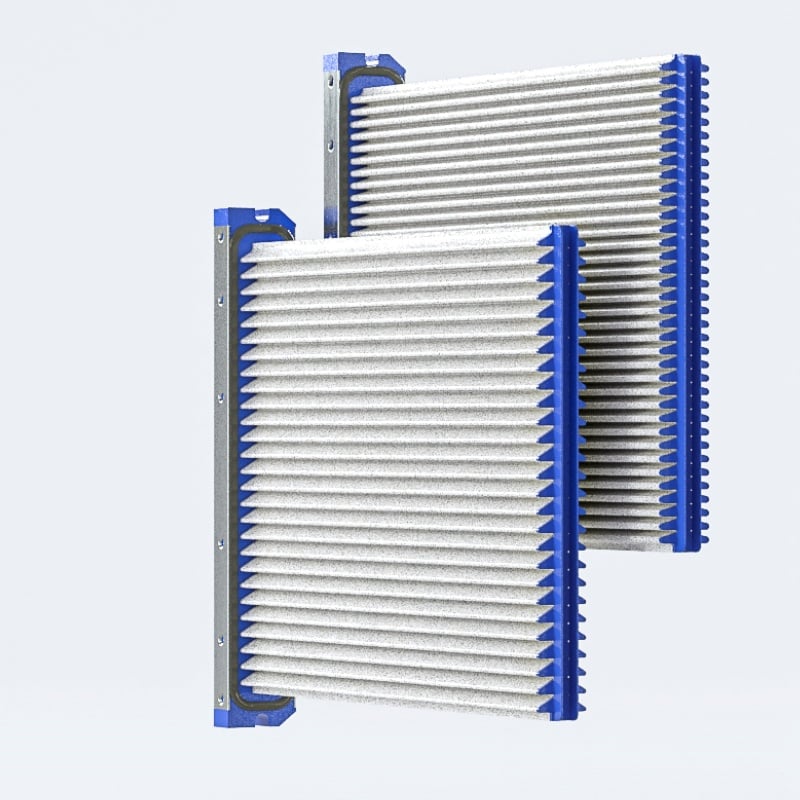
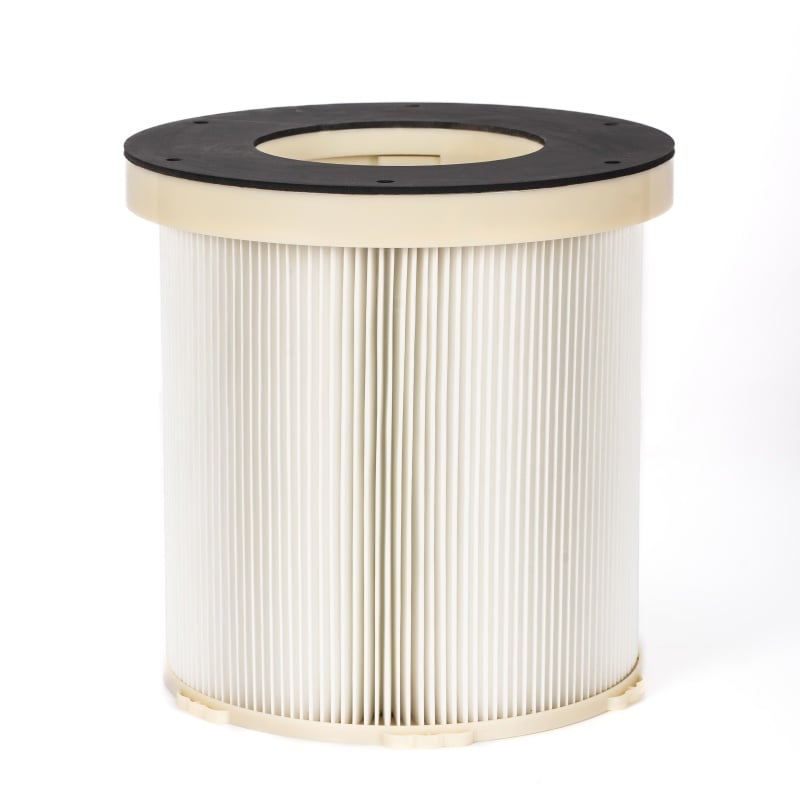
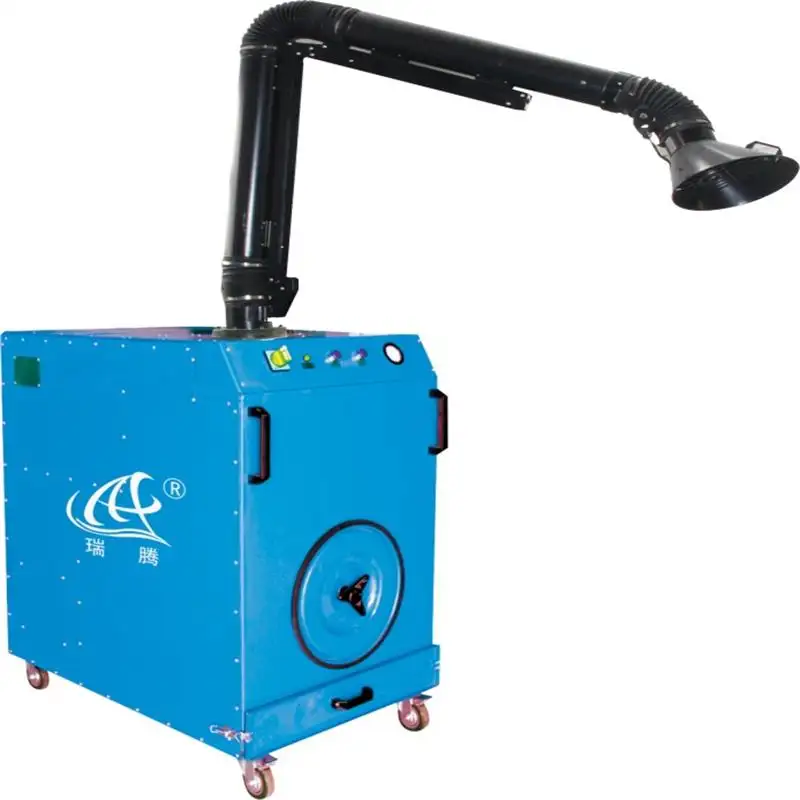
A sintered plate dust collector is a filtration unit built around rigid plastic sintered plate elements rather than soft filter bags. Each plate is a molded, porous element whose pleated profile exposes more surface to the gas stream. Dust settles on the outside, and cleaned air passes through the plate wall to the outlet. Because the elements are self supporting, they do not need the cages and tensioning that fabric bags require. That change is what makes a plastic sintered plate attractive where bags collapse or blind. When you evaluate a sintered plate dust collector, look at how plates seal and how they are removed for service.
Rigid filtration relies on a fixed porous structure instead of a fabric that flexes. In a plastic sintered plate, the pores are formed during sintering, so the media keeps its shape as dust loads up. The pleat design increases exposed surface and also helps dust fall away during cleaning. Unlike a bag that must be pulled tight, a rigid plate cannot be sucked flat by pressure differential. That stability is the core advantage of rigid filtration: airflow stays more consistent through a load cycle. For fine or slightly moist dust, a sintered plate dust collector can hold a steadier pressure profile than a comparable fabric unit.
A commonly cited benefit is that filter area is increased by 200 percent compared with a conventional arrangement. In a sintered plate dust collector, more area means a lower air-to-media ratio for the same gas volume, which reduces the load on each square meter. In practice that translates into longer intervals between cleaning cycles and more stable fan duty. The pleated plastic sintered plate makes full use of its footprint, so the cabinet stays compact. When comparing options, ask the supplier to state installed media area rather than quoting only the number of plates. A larger area is useful only if the dust can actually reach it.
Two features set this technology apart in daily operation. First, the washable filter can be taken out, cleaned, and reinstalled, which cuts consumable spending where replacement bags would be costly. Second, strong burst resistance means the plastic sintered plate tolerates the shock of pulse cleaning without cracking. A washable filter also simplifies recovery after a process upset sends an abnormal dust load to the collector. For a sintered plate dust collector, confirm the cleaning method matches the plate design, since aggressive pulses can still damage a rigid element. Ask to see test evidence for burst resistance before you specify the media.
Consider a temperature and humidity controlled foundry workshop where an automatic sand drenching line generates fine dust. The line used a suction hood at the sand pipe, ducted the dust to a filter chamber, added a second high-efficiency stage, and returned cleaned air to the room while cutting heating and cooling losses. In that environment a plastic sintered plate is attractive because the washable filter survives repeated cleaning and the dust is dry enough to release from pleats. A sintered plate dust collector there would keep rigid filtration stable through long shifts and protect downstream equipment. The case shows why the cleaning method and dust type matter more than a single headline figure.
Start with the dust: particle size, moisture, and abrasiveness decide whether rigid filtration is worthwhile. Confirm the gas volume and the acceptable pressure drop, then compare installed media area across candidate units. Check how plates are sealed and how quickly a washable filter can be removed during a shift. Verify burst resistance claims with the supplier. A company with two decades of filtration experience and recognized certifications can provide performance documents for the plastic sintered plate. Compare product options and verify test documents rather than relying on a general claim. Review specifications with your maintenance team so the chosen sintered plate dust collector fits real service routines.
Question one: Is a sintered plate dust collector suitable for every dust?
Answer: No. A sintered plate dust collector handles dry dust best, where rigid filtration lets the washable filter release dust during cleaning. Sticky or oily dust may still blind a plate, so test a sample first.
Question two: How does burst resistance affect service life?
Answer: A plastic sintered plate that resists the shock of pulse cleaning is less likely to crack over time. Ask for documented burst resistance and match pulse intensity to the plate.
Question three: Can a washable filter replace bags in an existing unit?
Answer: Sometimes, if the housing and cleaning method suit rigid plates. A direct swap is not guaranteed, so review specifications with the supplier before converting a sintered plate dust collector application.
 Hot News
2026-11-21
2026-11-21
2026-11-21
2026-11-21
2026-11-21
2026-11-20
Renhe focuses on air filter cartridge, gas turbine air filter, Pleated Filter Media, industrial dust, Our main products have been recognized as high-tech products in Jiangsu Province, famous trademarks in Wuxi City, and CE certification.
NO. 31 Xingyuan Road, Jiefang Industrial Park, Gushan Town, Jiangyin City, Jiangsu Province, China (214414)
Copyright © 2024 Jiangsu Renhe Environmental Equipments Co., Ltd Privacy Policy
 EN