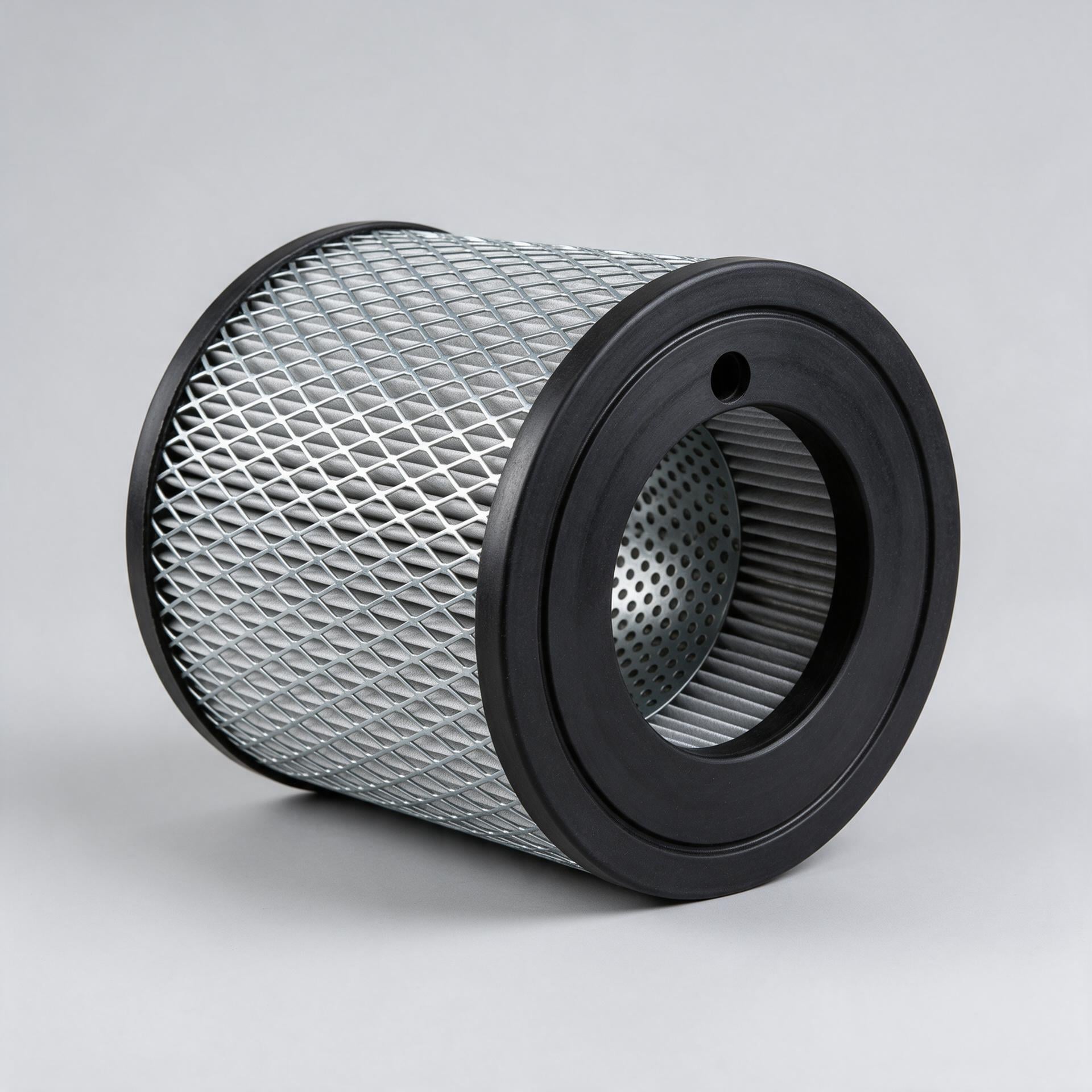
A gas turbine compressor rotor is a precision component, and the air it draws in carries dust that can wear it down. In desert, coastal, or industrial environments, airborne particles entering the intake can erode blade surfaces, change clearances, and cost far more in downtime than the filtration itself. A properly specified gas turbine inlet air filter is therefore a form of insurance for an expensive asset. Buyers should understand how inlet filtration efficiency, the filter format, and the cleaning method interact before choosing. This guide explains the mechanisms and the practical selection criteria behind turbine rotor erosion protection.
Gas turbines move enormous volumes of air through tight clearances, so even small particles matter. Dust that passes the intake strikes compressor blades at high speed, gradually roughening surfaces and reducing aerodynamic performance. The result is a slow loss of output and efficiency that is easy to overlook until a major service interval, when the cost of a compressor wash or a blade repair becomes impossible to ignore. For an asset that runs for thousands of hours between overhauls, protecting the airflow path is a small price compared with lost generation. A gas turbine inlet air filter placed correctly in the intake train captures that dust before it reaches the rotor. The choice of media and stage arrangement depends on the site's dust load and particle size distribution, which is why a site survey is a sensible starting point.
Turbine rotor erosion is a mechanical wear process. Hard particles such as sand and silica impact the leading edges of blades, removing material and changing their profile. Over time this raises surface roughness, reduces compression efficiency, and can trigger vibration or overheating. Fine particles are especially troublesome because they pass coarse filters and reach the compressor core. Preventing turbine rotor erosion is less about a single filter rating and more about the whole intake filtration chain. A gas turbine filter cartridge with fine media is often used as a final stage to catch what earlier stages miss, and the gas turbine inlet air filter system should be planned as a whole.
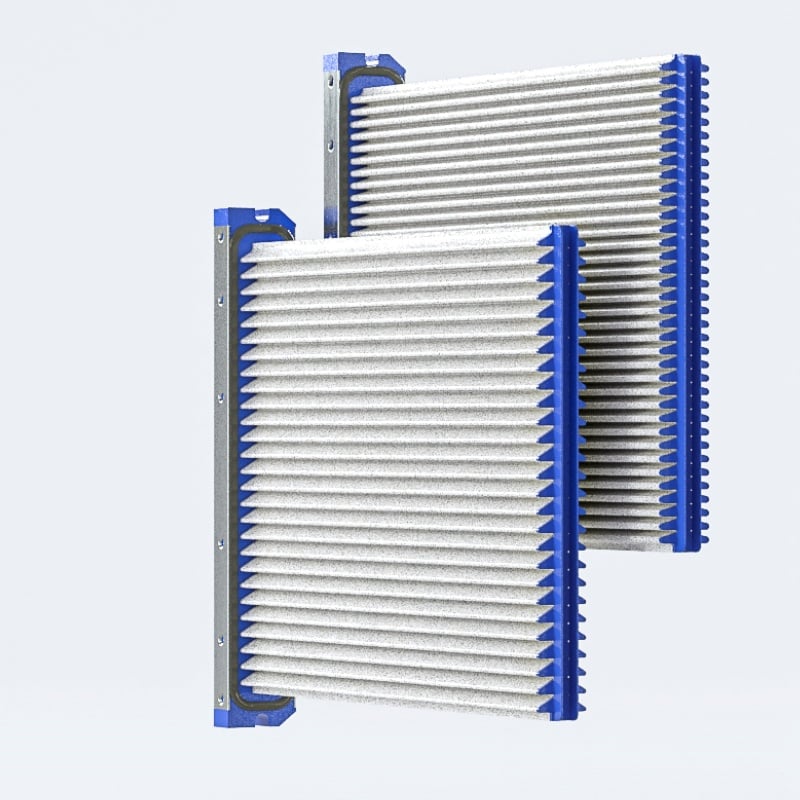
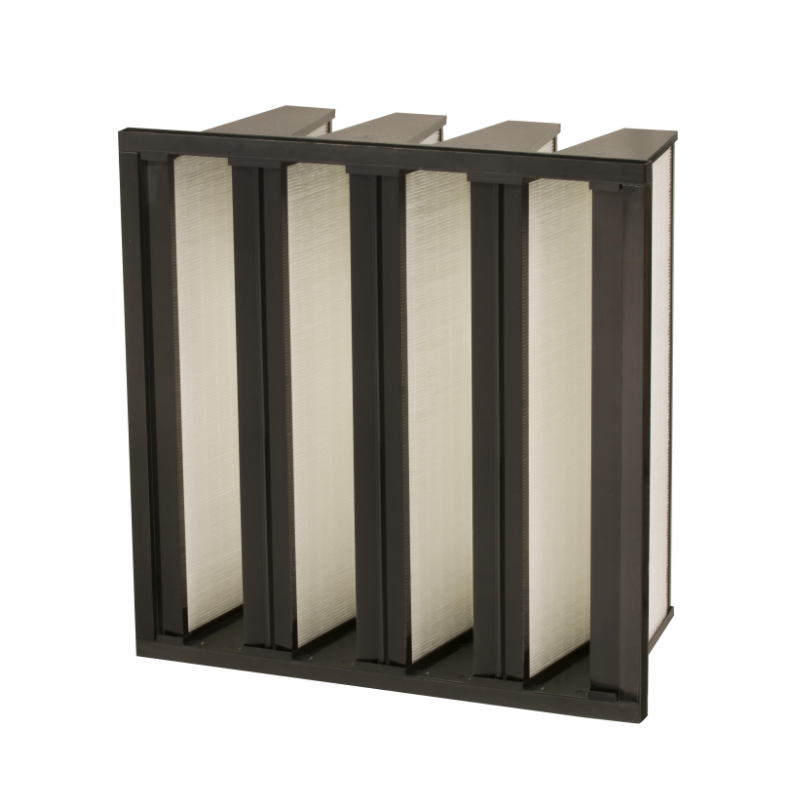
A gas turbine inlet air filter does more than trap dust; it must do so at low pressure loss so the turbine does not starve. High efficiency media, often pleated for area, balances capture with airflow. Many installations use several stages: a coarse pre-filter, a finer stage, and in harsh environments a high-efficiency final stage. The gas turbine inlet air filter at each stage should be matched to the particle sizes present and the acceptable pressure drop. Verified performance data matters here, since a filter that blinds quickly can reduce output just as surely as one that lets dust through.
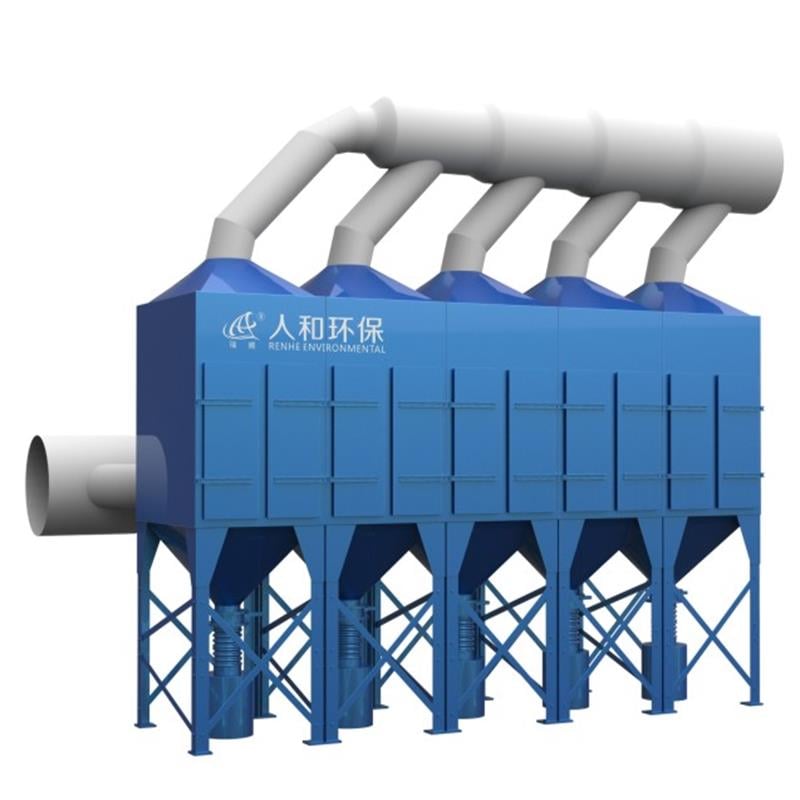
For sites with heavy dust or continuous operation, a self-cleaning air intake filter offers a practical answer. These systems use a pulse of compressed air to clear dust from the media while the turbine stays running, keeping pressure loss stable. A self-cleaning air intake filter can be configured with vertical cartridges and a fan-driven intake series sized for compressor inlet flows. Because cleaning happens on-line, the gas turbine inlet air filter maintains inlet filtration efficiency without frequent manual changeouts. Confirm the compressed air supply and the cleaning control logic when evaluating such a system.
Inlet filtration efficiency describes how well the filter captures particles of a given size, while pressure loss describes the resistance the turbine must overcome. Optimising either alone is a mistake: very high efficiency media can load quickly and raise pressure loss, which reduces turbine output and can even trigger an inlet alarms on hot days. The right inlet filtration efficiency depends on the site's dust profile and the manufacturer's intake limits, both of which should be written into the specification. Track pressure loss as an indicator of filter condition, and replace on trend rather than on a fixed calendar, since a cartridge in a dusty season may need attention far sooner than one in a clean one. For a gas turbine filter cartridge, confirm the tested efficiency and the dust-holding capacity together rather than judging on a single number.
A coastal combined-cycle plant was experiencing faster-than-expected compressor fouling linked to salt-laden dust. After reviewing the intake train, the team upgraded to a multi-stage gas turbine inlet air filter arrangement with a self-cleaning air intake filter stage and a high-efficiency final gas turbine filter cartridge. Inlet filtration efficiency improved at the fine-particle range, and pressure loss was monitored through the cleaning cycles. Over the following service period, blade deposits were visibly reduced and turbine rotor erosion risk was lowered. The case shows that intake filtration should be matched to the actual site environment rather than copied from a generic specification.
Question one: How does a gas turbine inlet air filter reduce rotor erosion?
Answer: By capturing hard particles before they reach the compressor, a gas turbine inlet air filter limits the impacts that cause turbine rotor erosion. Efficiency at the fine-particle range matters most.
Question two: When is a self-cleaning air intake filter worth it?
Answer: When dust load is high or the turbine runs continuously. A self-cleaning air intake filter keeps pressure loss stable and protects inlet filtration efficiency without frequent shutdowns.
Question three: What should I verify for a gas turbine filter cartridge?
Answer: Check tested inlet filtration efficiency values, dust-holding capacity, and compatibility with your intake design. Review specifications and verify test documents before selection.
 Hot News
2026-11-21
2026-11-21
2026-11-21
2026-11-21
2026-11-21
2026-11-20
Renhe focuses on air filter cartridge, gas turbine air filter, Pleated Filter Media, industrial dust, Our main products have been recognized as high-tech products in Jiangsu Province, famous trademarks in Wuxi City, and CE certification.
NO. 31 Xingyuan Road, Jiefang Industrial Park, Gushan Town, Jiangyin City, Jiangsu Province, China (214414)
Copyright © 2024 Jiangsu Renhe Environmental Equipments Co., Ltd Privacy Policy
 EN