A gas turbine compresses a vast volume of air for every hour of operation. Anything carried in that air reaches the compressor and hot section, where particles can erode blades and deposit on cooling passages. The gas turbine inlet air filter is the barrier that keeps that contamination out. For a power plant, the question is not whether to filter the inlet air but how clean it must be and how much pressure the filter may add. This guide explains what the filter does and why it matters, drawing on the gas turbine air filter cartridges and self-cleaning intake range in the knowledge base. The aim is to give a buyer a clear definition and a practical view of the selection criteria.
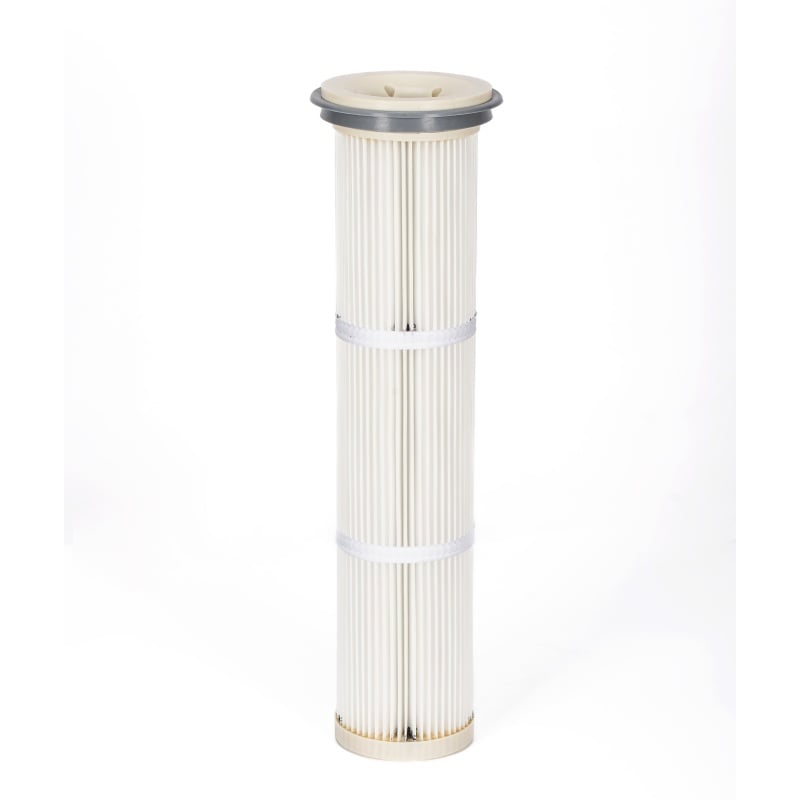
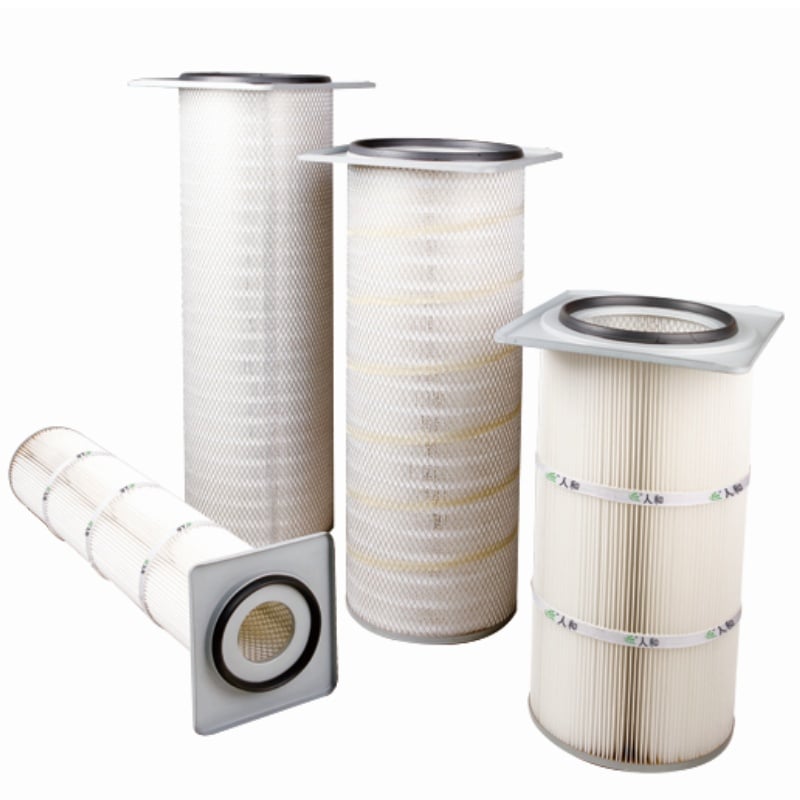
A gas turbine inlet air filter sits at the air intake of the machine, ahead of the compressor. Its job is to remove airborne particles before they enter the turbine. In a typical filter house, air passes through one or more stages of dry filtration, and a self-cleaning stage may be used where the site is dusty. The filter cartridges used for gas turbines are designed for high airflow with low resistance, because the engine cannot tolerate a large pressure loss at the intake. The knowledge base lists gas turbine filter cartridges among the core product lines, alongside air filter cartridges for compressors and blowers.
The reason a power plant installs a gas turbine inlet air filter is damage control. Dust and grit entering the compressor erode blade surfaces and change the clearances that the engine depends on. Over time, contamination raises fuel consumption and shortens the interval between overhauls. In coastal or desert sites the inlet air may carry salt or sand, which makes filtration more critical. General engineering practice treats clean inlet air as a condition for keeping the turbine on line, because the cost of an unplanned outage far exceeds the cost of filtration.
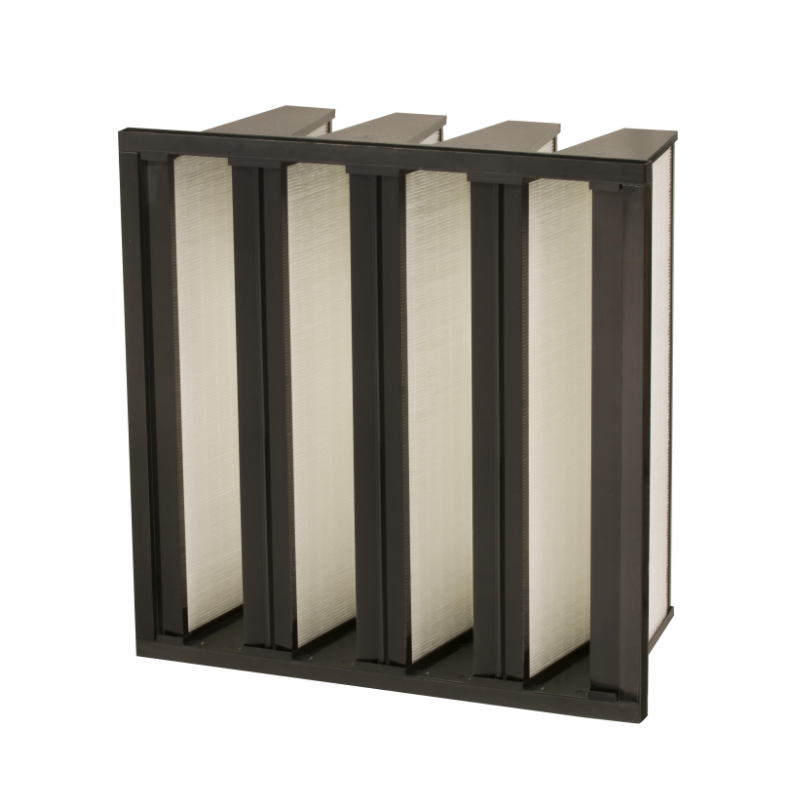
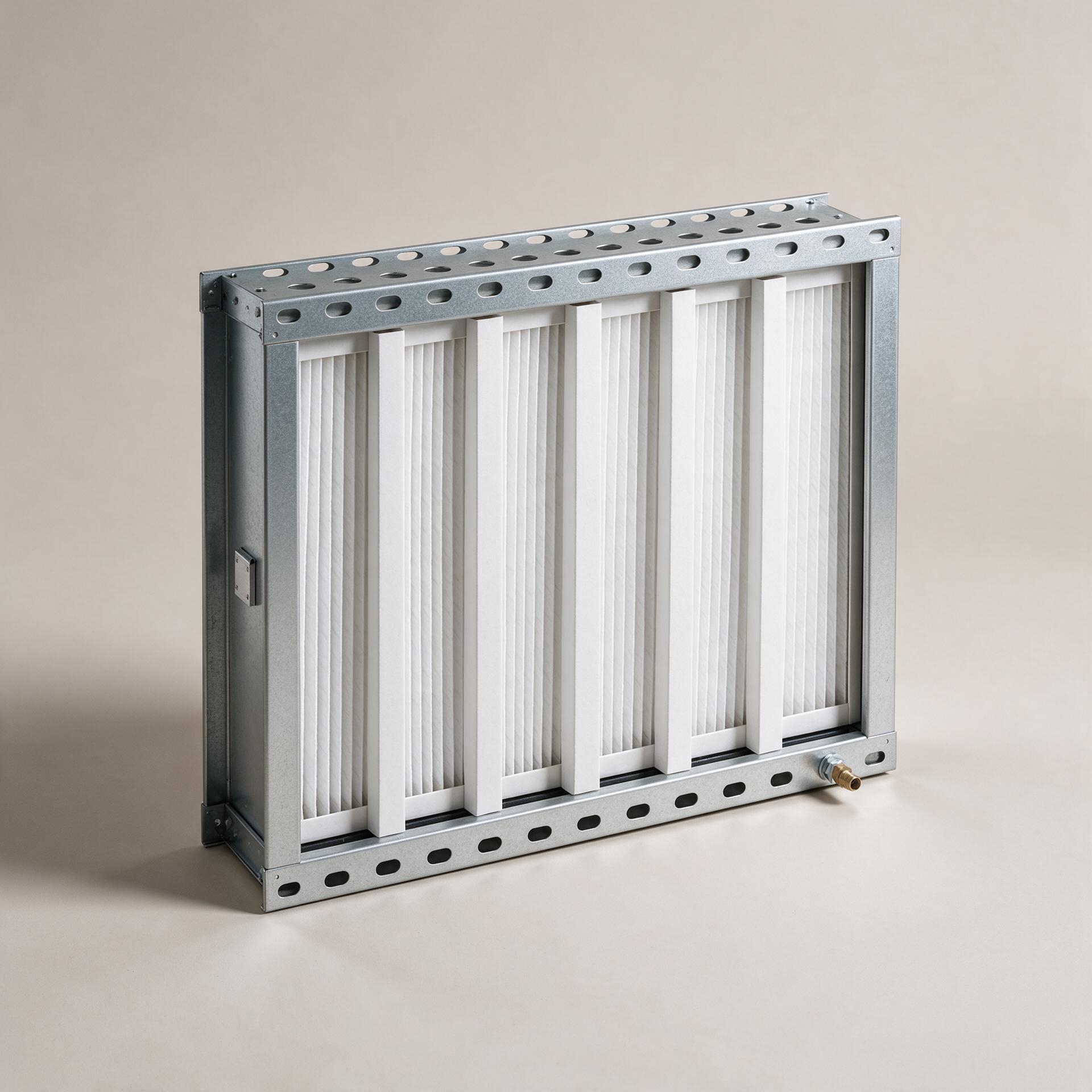
Understanding the layout helps a buyer specify the right gas turbine inlet air filter. Air usually enters a filter house through a weather louvre, passes through a prefilter and then through the final filter stage before reaching the compressor bell mouth. A self-cleaning air intake filter may be used as the first stage, where pulses remove collected dust without stopping the turbine. The knowledge base includes a vertical self-cleaning air intake filter series for air compressor inlets from 100 to 1200 cubic metres per minute, which illustrates the same principle across machine sizes. Each stage is there to protect the next, and the final gas turbine inlet air filter sets the cleanliness delivered to the engine.
Two numbers dominate specification: filtration efficiency and pressure drop. A filter that removes more particles often adds more resistance, and resistance costs energy. The gas turbine inlet air filter must therefore be chosen as a balance, not as a single maximum figure. Plant teams should review the pressure drop at both clean and loaded conditions, and confirm how the element behaves as dust accumulates. A self-cleaning stage helps keep resistance stable between service intervals. The conical and cylindrical cartridges in the knowledge base use wide pleat depth and inner and outer liner, features that support airflow while holding the media in place. Those construction details are worth comparing when the application is a turbine intake.
A useful illustration is an anonymous coastal generating station whose intake air carried salt mist and fine sand. The plant used a filter house with a prefilter and a final gas turbine inlet air filter stage, and arranged the intake so that the self-cleaning section could shed dust during normal running. Jiangsu Renhe supplied filter cartridges for the intake application. The operating lesson was that inlet cleanliness and resistance had to be managed together: a very tight final stage protected the turbine but raised pressure drop, while a self-cleaning upstream stage kept the load on the final element acceptable. That case shows why a power plant treats the gas turbine inlet air filter as a system decision rather than a catalogue item.
Site conditions should drive the choice for any power plant. A dusty desert site may need a robust self-cleaning air intake filter stage, while a coastal site may emphasise protection against fine salt. Review the filter house layout before ordering and confirm the pressure drop the system can accept. The buyer should confirm the airflow the filter house must handle, the efficiency class of the final stage and the allowable pressure drop. It is also sensible to ask how the gas turbine inlet air filter is seated and sealed, because a bypass defeats the whole arrangement. Requesting material guidance and reviewing test documents are reasonable steps before ordering. Compare product options on construction and documented performance, not on a single efficiency claim. A well chosen filter protects the turbine without imposing a permanent energy penalty.
Question one: What does a gas turbine inlet air filter protect?
Answer: It protects the compressor and hot section from airborne dust and salt. Clean inlet air reduces erosion and deposition, which helps avoid unplanned outages and keeps fuel consumption in check.
Question two: Does a self-cleaning stage replace the final filter?
Answer: No. A self-cleaning stage removes the bulk of the dust and lowers the load on the final gas turbine inlet air filter, which still sets the cleanliness delivered to the engine.
Question three: What numbers should I compare between suppliers?
Answer: Compare airflow range, filtration efficiency, clean and loaded pressure drop, and the construction of the media. Verify test documents and confirm the sealing arrangement of the filter house.
 Hot News
2026-11-21
2026-11-21
2026-11-21
2026-11-21
2026-11-21
2026-11-20
Renhe focuses on air filter cartridge, gas turbine air filter, Pleated Filter Media, industrial dust, Our main products have been recognized as high-tech products in Jiangsu Province, famous trademarks in Wuxi City, and CE certification.
NO. 31 Xingyuan Road, Jiefang Industrial Park, Gushan Town, Jiangyin City, Jiangsu Province, China (214414)
Copyright © 2024 Jiangsu Renhe Environmental Equipments Co., Ltd Privacy Policy
 EN