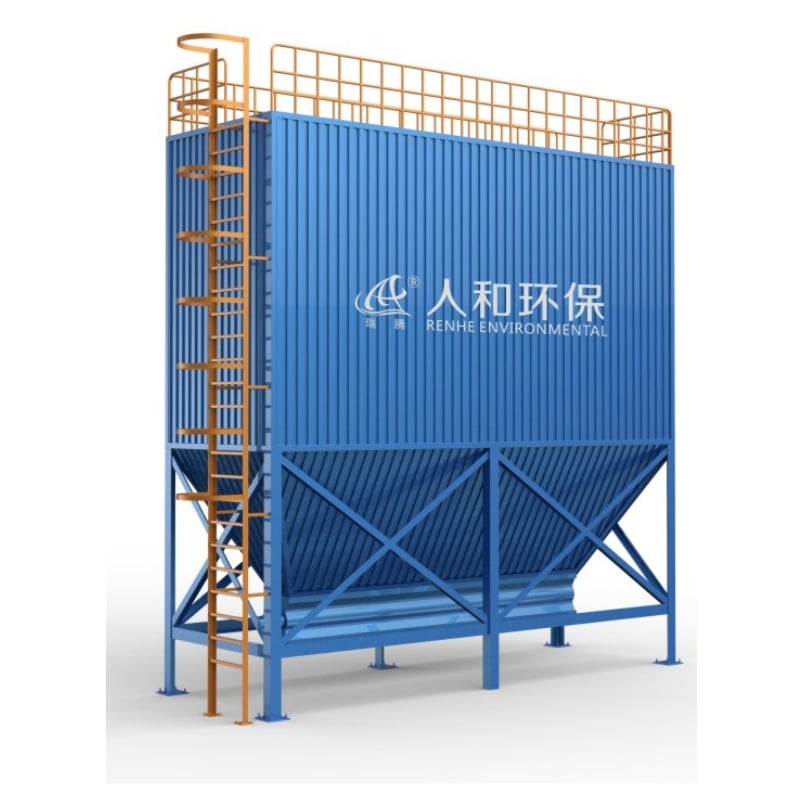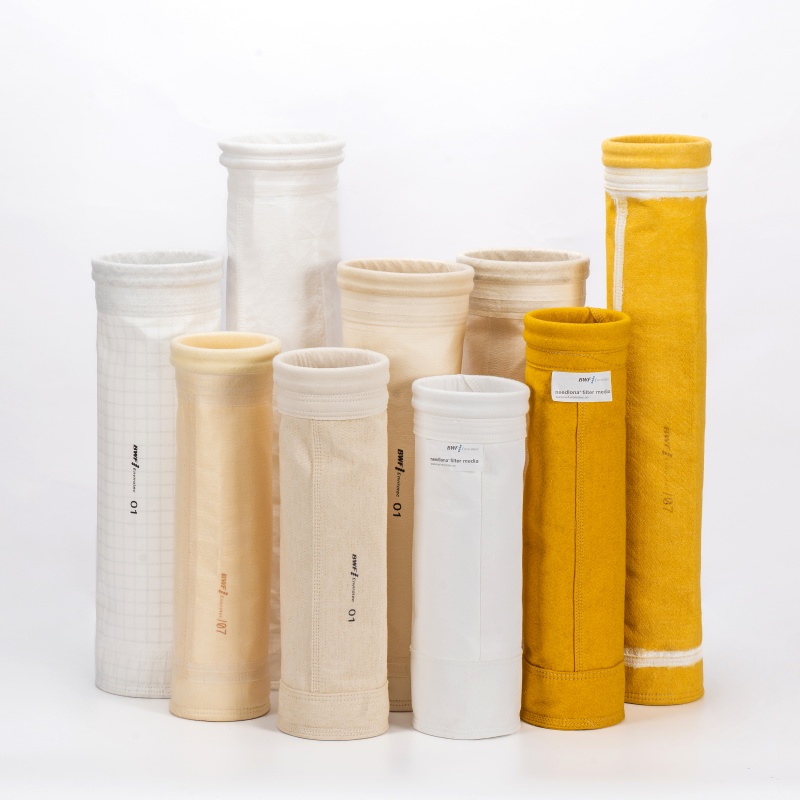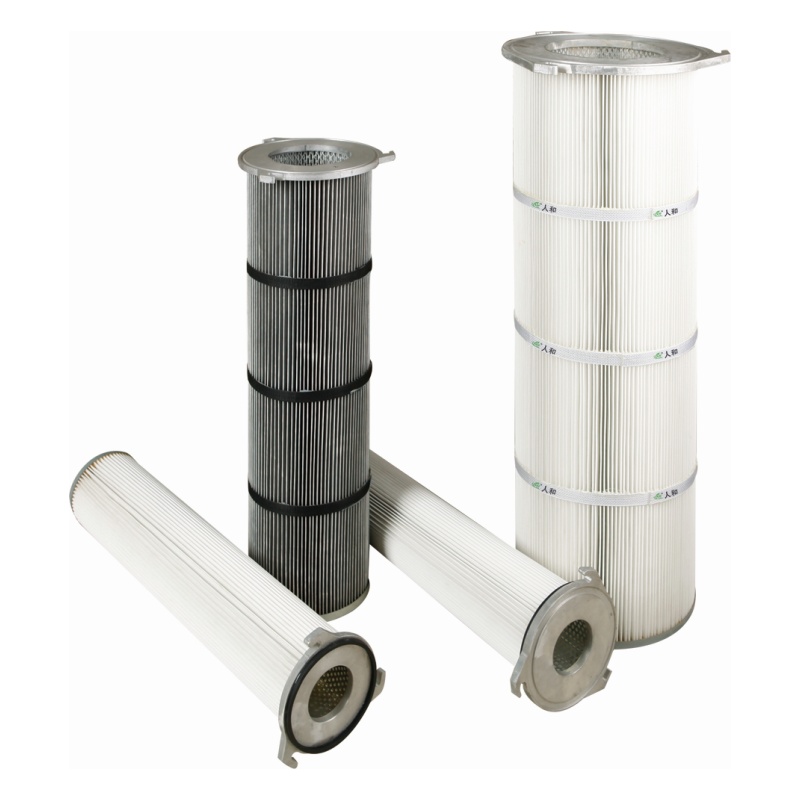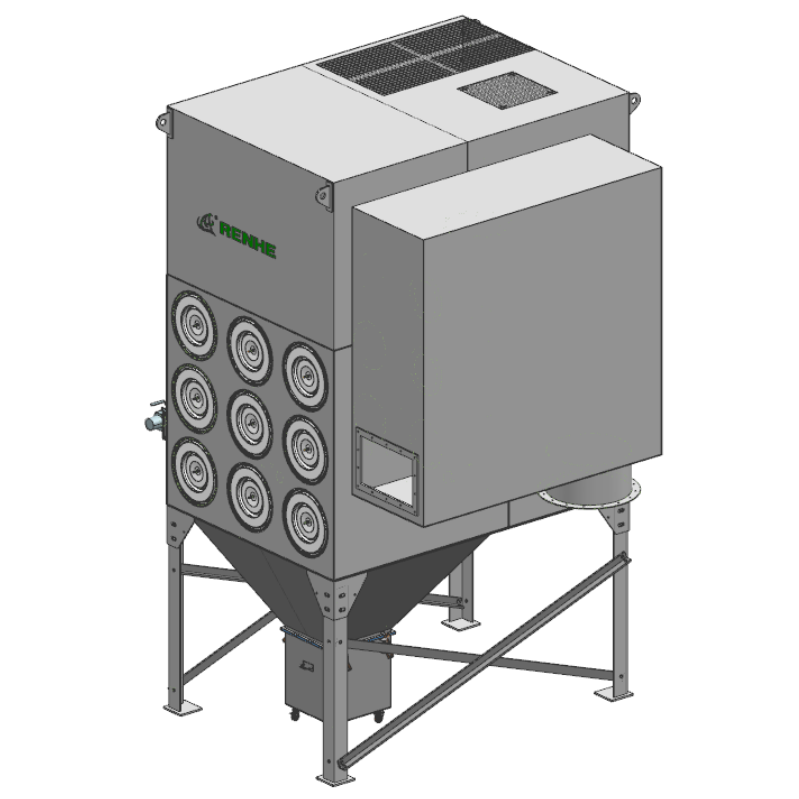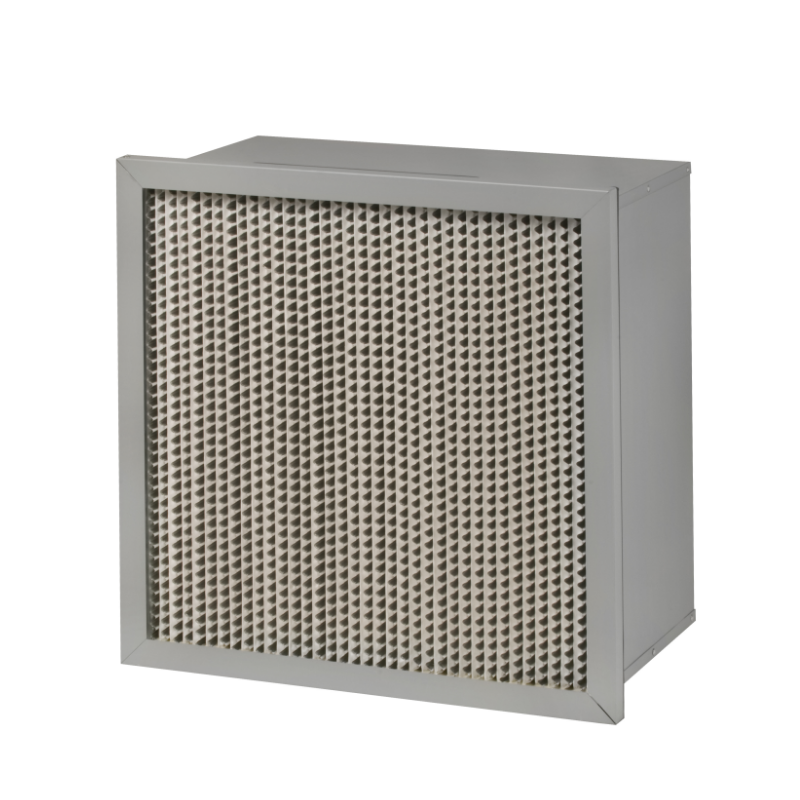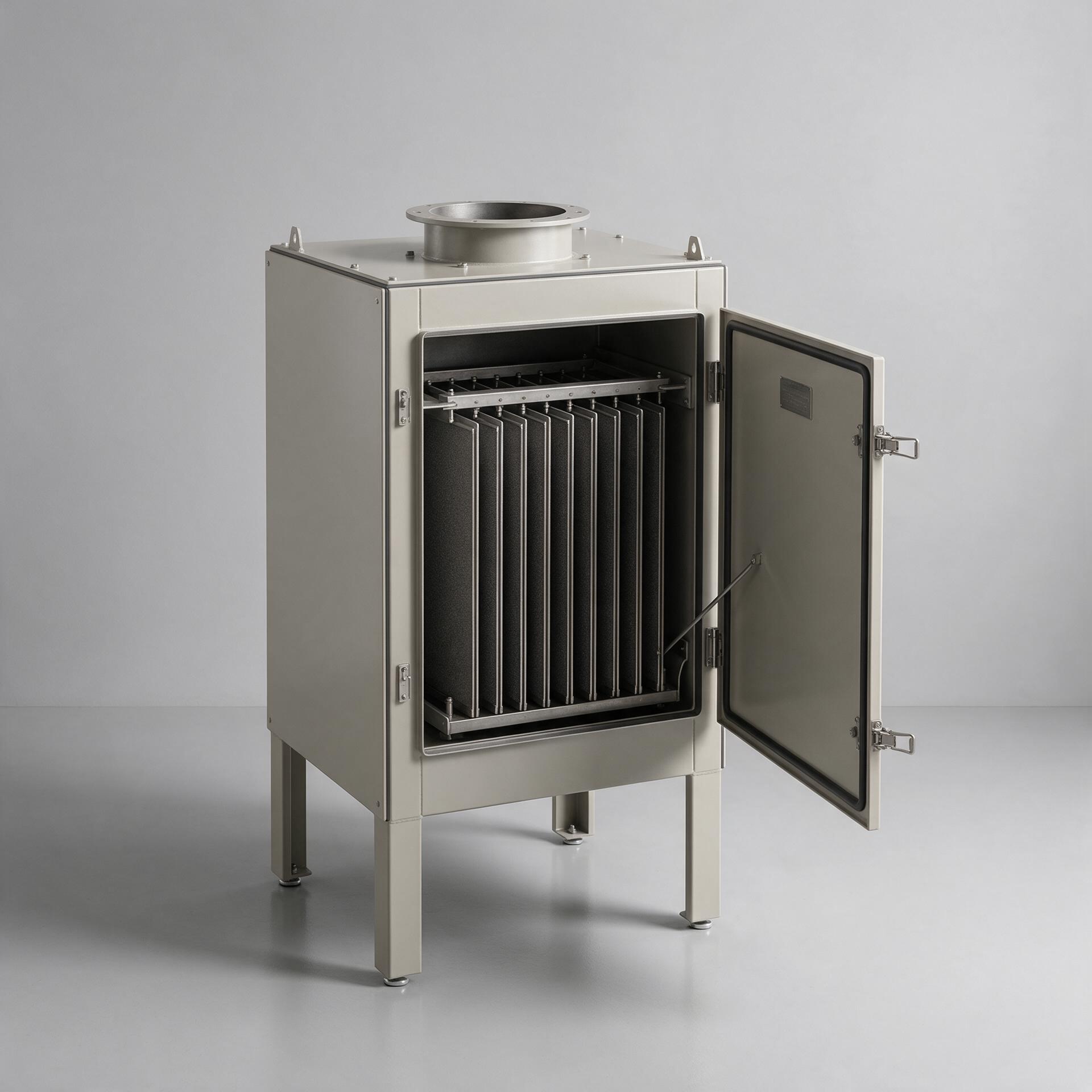
When buyers evaluate a sintered plate dust collector, the purchase price is only one line in the ledger. Long term ROI looks at what the equipment costs to own across its working life: replacement elements, cleaning labour, downtime and the stability of emissions. A collector that needs frequent bag changes may look cheap on day one but expensive by the third year. A sintered plate design asks for a higher conversation up front, yet its reusable nature can change that calculation. The honest way to judge ROI is to compare the whole ownership picture, not a single invoice, and to be wary of any supplier promising a fixed payback percentage without seeing your dust.
Filter area is a quiet driver of operating cost. In a sintered plate dust collector, the pleated geometry can increase filter area substantially relative to a conventional layout, and published data for plastic sintered plates indicates an increase of about 200 percent. More area means the same airflow passes with lower face velocity, so the cake builds more slowly and cleaning is less frequent. That reduces the number of cleaning cycles per shift and eases the load on the fan. When you review an ROI claim, ask which filter area figure is being used and whether it refers to the element alone or the whole housing. A comparison on inconsistent area figures is not a comparison at all.
A plastic sintered plate differs from a woven bag because the medium is a rigid, porous structure rather than a fabric. The pleated design makes dust release easier during cleaning, and the material offers strong burst resistance, which matters when an upstream event sends a pressure spike through the housing. Because the plate holds its shape, it does not collapse or stretch the way a soft bag might. For a sintered plate dust collector handling fine, dry dust, this structural stability translates into more predictable performance. Buyers should still match the plate medium to the chemical nature of the dust, since no single medium suits every stream.
One of the strongest ROI levers is that a sintered plate is washable. Instead of discarding a spent element, maintenance teams can clean the plate and return it to service, which reduces the volume of consumables bought each year. Installation and discharge are also straightforward, so a planned clean can fit inside a normal maintenance window. A washable sintered plate dust collector suits operations that value material reuse and want to cut handling of contaminated disposables. The practical caveat is labour: washing takes time and water, so the saving is real only when you account for the full cleaning procedure, not just the avoided purchase.
Consider an anonymous dry powder handling line that had been using disposable bags. The team reviewed a sintered plate dust collector not because of a mandate but because disposal costs and changeout frequency kept rising. They ran a trial with the same airflow and dust, tracked how often cleaning was needed and measured whether emissions stayed stable. The plate was washed and reinstalled rather than thrown away, and the decision was made on observed behaviour over a full season. No payback percentage was assumed in advance. This scenario shows how to evaluate long term ROI on your own data, which is more reliable than any catalogue promise.
Start by separating capital cost from operating cost. List elements, labour, downtime and disposal, then ask the supplier which of these a sintered plate dust collector is designed to reduce. Check whether the quoted filter area is comparable with your current equipment and whether washability is supported by a clear cleaning procedure. Treat burst resistance and washable design as engineering features, not as guaranteed savings. A credible ROI discussion ends with a site trial and a review of test documents, not with a round number. If you need guidance, request material guidance and compare product options against your own dust and airflow.
A few direct questions separate a credible offer from a generic one. Ask the supplier to show which filter area is used in any performance curve and whether it matches the element you will actually install. Request the cleaning procedure for the plastic sintered plate in writing, including how the wash is performed and how the plate is dried before reinstallation. Ask what routine maintenance the sintered plate dust collector still needs after washing, since no system is maintenance free. Finally, request test documents that show emissions over a period rather than a single snapshot. If the long term ROI of a sintered plate dust collector is presented honestly, the washable design and burst resistance are described as features that reduce specific costs, not as a promise of a fixed saving. Comparing filter area on a consistent basis is the first step.
Question one: Is a sintered plate dust collector always cheaper over time?
Answer: Not always. The ROI depends on dust type, cleaning discipline and how often elements would otherwise be replaced. A washable plate helps most where disposable consumables and changeout labour are significant.
Question two: What does the 200 percent filter area figure mean?
Answer: It refers to the increased filter area of a plastic sintered plate relative to a conventional layout. It is a geometry comparison, not a guarantee of a specific energy saving.
Question three: Can every plate be washed and reused?
Answer: Many can, but it depends on the dust and the cleaning method. Confirm the recommended procedure and check that emissions remain stable after cleaning before you plan around reuse.
 Hot News
2026-11-21
2026-11-21
2026-11-21
2026-11-21
2026-11-21
2026-11-20
Renhe focuses on air filter cartridge, gas turbine air filter, Pleated Filter Media, industrial dust, Our main products have been recognized as high-tech products in Jiangsu Province, famous trademarks in Wuxi City, and CE certification.
NO. 31 Xingyuan Road, Jiefang Industrial Park, Gushan Town, Jiangyin City, Jiangsu Province, China (214414)
Copyright © 2024 Jiangsu Renhe Environmental Equipments Co., Ltd Privacy Policy
 EN