Fan energy is one of the least visible costs in a dust collection system, yet it accumulates every hour the plant runs. A pleated filter cartridge that develops high resistance forces the fan to work harder to move the same volume of air, and that extra work appears on the electricity bill. Buyers who compare only the purchase price of a filter often miss this operating cost entirely. Understanding how differential pressure relates to fan load helps you evaluate a pleated filter cartridge on its lifetime behaviour rather than on its initial resistance. No fixed saving percentage should be assumed; the physics is clear, but the magnitude depends on your system.
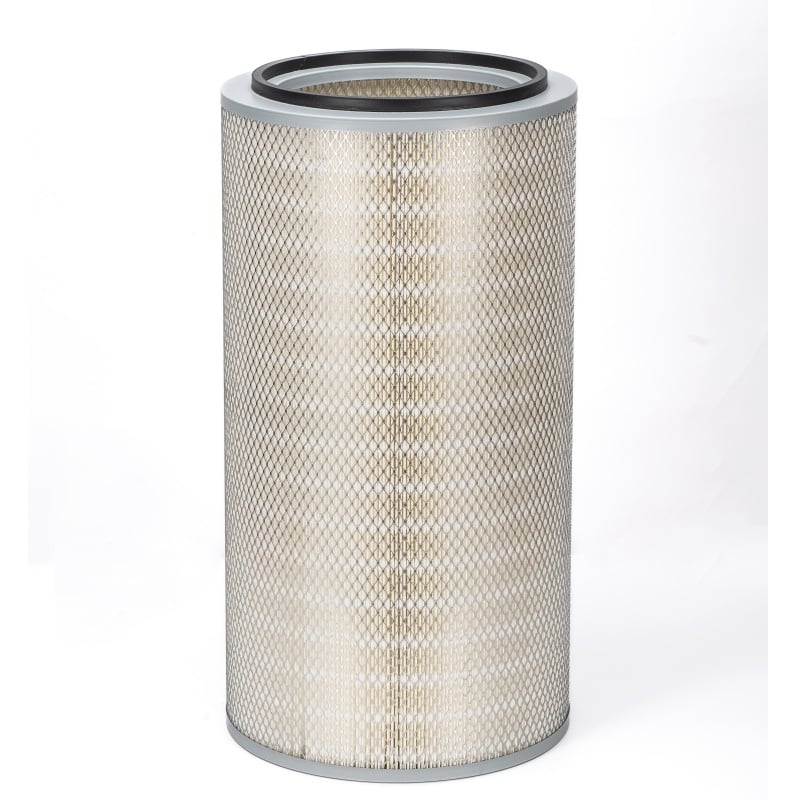
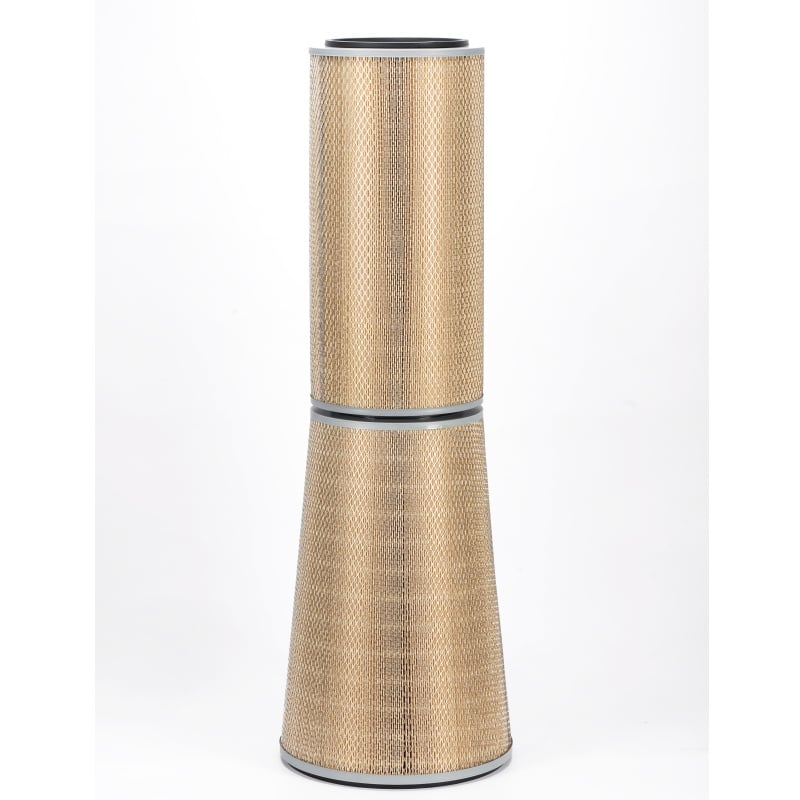
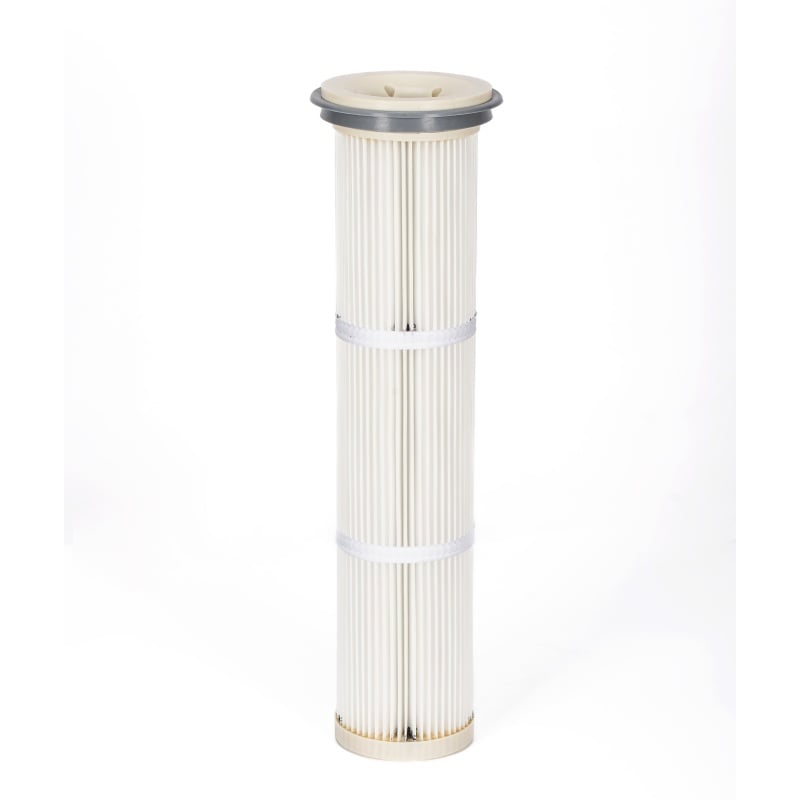
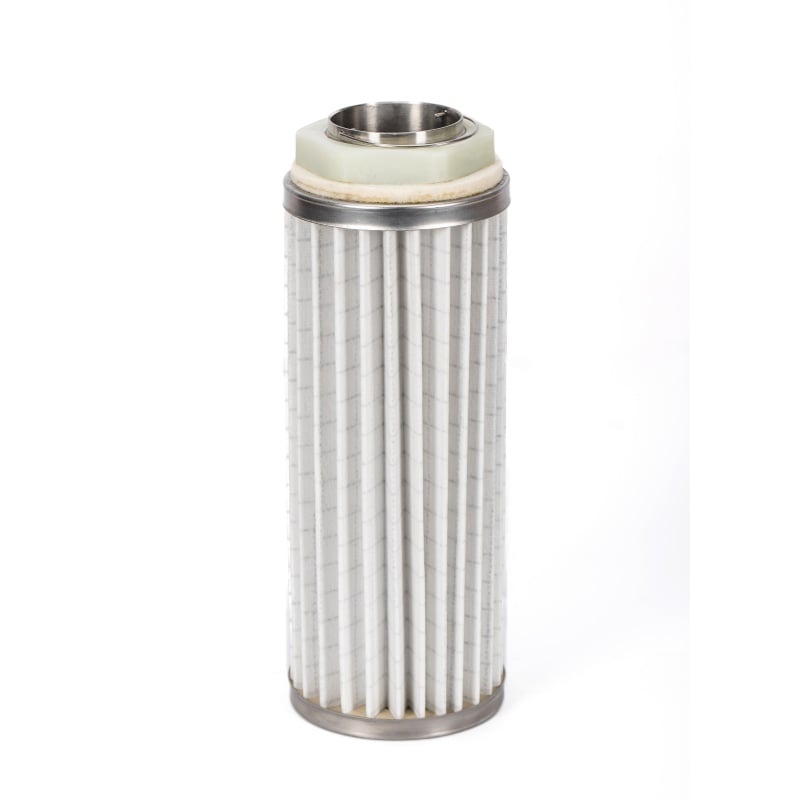
A pleated filter cartridge folds the media into a compact cylinder, greatly increasing the surface available for filtration within the same housing. More area means a lower face velocity for a given airflow, so dust builds more gradually and the element holds a lower pressure for longer. This is the central advantage of pleated media over a flat sheet of the same footprint. The geometry also allows a smaller collector to handle a given duty, which can reduce installed cost. When you review a pleated filter cartridge, ask what area is quoted and whether it refers to the element alone, since comparisons on inconsistent figures can be misleading.
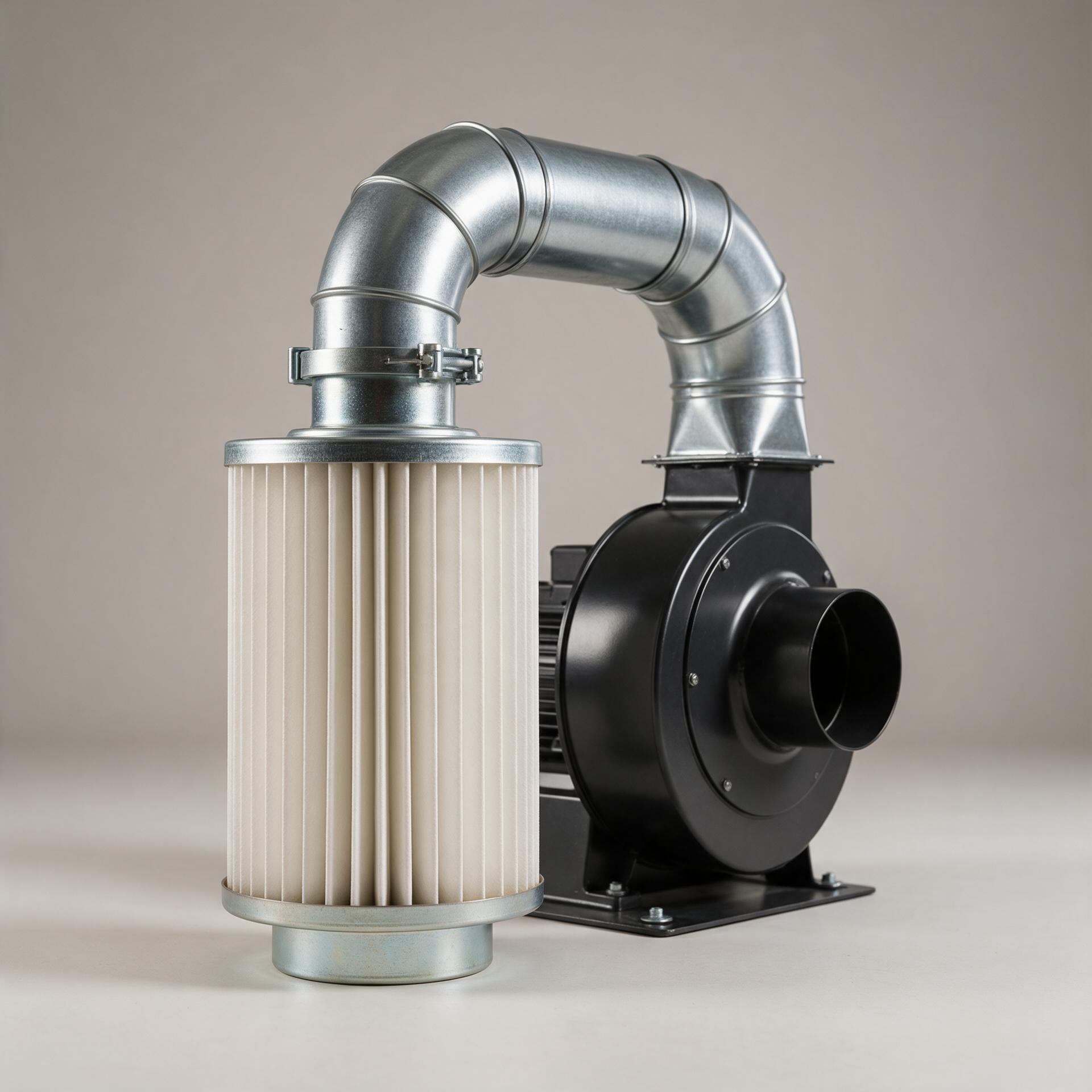
In a simple fan system, the fan must generate enough pressure to overcome the resistance of the ductwork and the filter. As a pleated filter cartridge loads with dust, its differential pressure rises and the fan moves along its curve, typically delivering less air while consuming more energy per unit of air moved. Keeping pressure moderate therefore protects both airflow and fan energy. The relationship is a general engineering principle, not a claim about any particular product. What matters in practice is the shape of the pressure drop curve over the life of the element: a slow, linear rise is easier to manage than a sudden jump.
Consider an anonymous woodworking plant that had been replacing bags on a fixed schedule. The team reviewed a pleated filter cartridge option not because of a promised saving percentage, but because they wanted steadier airflow. They recorded differential pressure at the same fan setting over several weeks and compared how quickly each option reached the cleaning threshold. The pleated filter cartridge held a lower pressure drop for longer, so the fan operated in a more stable region and cleanup was less frequent. No electricity saving figure was claimed in advance. The case shows how to evaluate fan energy with your own pressure records instead of relying on a catalogue estimate.
Pressure drop is more than an energy indicator; it is a practical maintenance signal. A steady rise tells you the pleated filter cartridge is loading normally, while a sudden step suggests a handling problem or a damaged element. A pressure drop that never falls after cleaning can mean the media is blinded and the fan will keep paying the penalty. Recording pressure at fixed intervals turns these observations into a trend that guides replacement. For a pleated filter cartridge, this approach replaces guesswork with evidence and helps keep fan energy predictable across the whole service life.
Fair comparison starts with the same airflow and housing. Ask each supplier for the clean differential pressure of the pleated filter cartridge and the recommended airflow range, then compare on that basis. Look at the media construction, including the support structure that keeps pleats from pinching under load, because collapsed pleats raise resistance and waste fan energy. Review the dust holding capacity where data is available, since a cartridge that holds more dust delays the rise in pressure drop. Request test documents that show resistance across the working range, not a single clean filter number.
A very low initial pressure drop is not automatically a benefit. It can indicate thinner media with a shorter life, which leads to more frequent changes and higher long term cost. Some buyers oversize the fan to compensate for a restrictive pleated filter cartridge, which simply moves the energy penalty to a larger machine. The better approach is to match the element to the actual dust load and airflow, then monitor pressure in service. Treat fan energy as one part of the total cost picture, alongside replacement frequency and disposal. Verify test documents rather than accepting a claim about savings at face value.
Question one: How does a pleated filter cartridge lower fan energy?
Answer: The pleated media gives more area, so face velocity and differential pressure stay lower. The fan then works less to move the same air. The actual saving depends on your system.
Question two: Is the lowest pressure drop always best?
Answer: Not necessarily. A very low figure can mean thinner media and a shorter service life. Compare differential pressure together with dust holding capacity and pleat support.
Question three: When should a pleated filter cartridge be changed?
Answer: Use differential pressure as the trigger rather than a fixed calendar date. A pressure drop that stays high after cleaning usually means the element is near the end of its useful life.
 Hot News
2026-11-21
2026-11-21
2026-11-21
2026-11-21
2026-11-21
2026-11-20
Renhe focuses on air filter cartridge, gas turbine air filter, Pleated Filter Media, industrial dust, Our main products have been recognized as high-tech products in Jiangsu Province, famous trademarks in Wuxi City, and CE certification.
NO. 31 Xingyuan Road, Jiefang Industrial Park, Gushan Town, Jiangyin City, Jiangsu Province, China (214414)
Copyright © 2024 Jiangsu Renhe Environmental Equipments Co., Ltd Privacy Policy
 EN