
 EN
EN
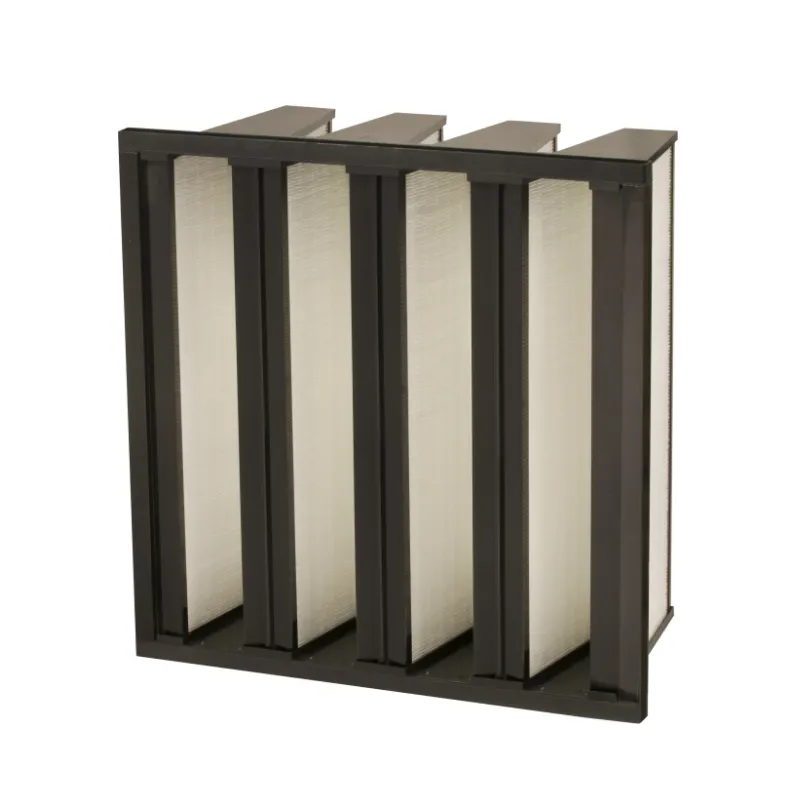
The Secondary Dust Pollution Problem in Traditional Dust Collection
Traditional dust collection systems—especially pulse-jet baghouses—create a hidden but serious drawback: they release captured dust back into the workplace during cleaning. When high-pressure compressed air pulses strike filter bags to dislodge accumulated dust, the force can fracture the filter cake and eject fine respirable particles through micro-gaps in the media. This re-entrainment, or secondary dust pollution, directly exposes workers to hazardous airborne particulates and forces repeated handling of the same dust—undermining containment integrity. Manual or fixed-interval cleaning schedules often misalign with actual dust loading: excessive pulsing disturbs the filter bed and triggers re-entrainment; insufficient cleaning causes blinding and rising pressure drop. As dust re-enters the airstream, it settles on equipment, ducts, and surfaces—degrading thermal efficiency and increasing maintenance frequency. A 2020 industry survey found secondary emissions accounted for up to 15% of total respirable dust levels in baghouse-equipped facilities. These recurring escape events compromise air quality, worker safety, and regulatory compliance—particularly under tightening standards like EPA NSPS and EU IED. The persistent cycle of capture, release, and re-capture underscores why self-cleaning reverse air filter technology is not just an upgrade—but a necessary shift to eliminate re-entrainment at its source.
How Self-Cleaning Reverse Air Filter Technology Prevents Dust Re-Entrainment
Reverse air pulse mechanics: On-demand shedding without filter media disturbance
Self-cleaning reverse air filters use a brief, low-pressure burst of compressed air directed opposite to normal process airflow. This reverse acceleration gently dislodges the dust cake from the filter surface—without violent shaking, mechanical stress, or prolonged reverse flow that could damage media or aerosolize fines. A fast-acting diaphragm valve releases the pulse through a precisely aligned blow pipe and Venturi nozzle, which amplifies reverse airflow by entraining ambient air. Crucially, cleaning activates only when differential pressure across the filter reaches a preset threshold—indicating optimal dust cake maturity. This on-demand logic avoids unnecessary cycles that accelerate wear or disturb thin cakes. Once shed, the dust falls intact into the hopper under gravity, with minimal opportunity for re-suspension. The result is stable filtration performance, zero re-entrainment, and extended filter life.
Sensor-triggered cycles vs. fixed-timing: Why adaptive control eliminates bypass risk
Fixed-timing cleaning systems pulse on rigid schedules—regardless of actual dust load. When activated prematurely, they disrupt thin or immature filter cakes, allowing fine particles to penetrate the media (bypass) and re-enter the exhaust stream. In contrast, sensor-triggered reverse air systems monitor real-time pressure drop and initiate cleaning only when resistance confirms a cohesive, fully formed dust cake. This ensures dust releases as intact sheets—not fragmented clouds—falling cleanly into the hopper. Adaptive control also conserves compressed air, reduces mechanical wear, and maintains consistent emission performance. By eliminating bypass events and sustaining stable cake integrity, the system delivers verifiable, continuous compliance—meeting the operational rigor demanded by modern environmental regulations.
Real-World Validation: Cement Kiln Case Study with PM10 Emission Reduction
In 2020, a 3,000-tonne-per-day clinker plant in Bavaria faced chronic secondary dust pollution from its pulse-jet baghouse. High-pressure cleaning bursts routinely fractured the filter cake, re-entraining fine PM10 particles and spiking downwind concentrations above 75 µg/m³—well over the EU annual limit of 40 µg/m³ and triggering community complaints. In early 2021, the facility replaced the system with a self-cleaning reverse air filter featuring low-pressure, sensor-activated cleaning. Independent stack monitoring over 18 months showed a 62% reduction in PM10 emissions—from 18 mg/Nm³ to 6.8 mg/Nm³. Ambient PM10 at the site boundary dropped to 32 µg/m³, remaining consistently within regulatory limits. Maintenance costs fell by 35%, and quarterly filter bag replacements were eliminated. Validated by an accredited environmental laboratory, the data confirmed that gentle, on-demand cake shedding eradicated secondary dust plumes—even under full clinker throughput. This case demonstrates how reverse air technology delivers sustainable, low-maintenance compliance in one of industry’s most demanding applications.
Regulatory and Operational Drivers Accelerating Adoption of Self-Cleaning Reverse Air Filter Systems
Evolving environmental mandates and the need for operational resilience are accelerating the shift from passive dust collection to active, self-cleaning systems. Traditional baghouses increasingly struggle with unplanned downtime, filter degradation, and intermittent emissions spikes—risks regulators no longer tolerate. Self-cleaning reverse air filters address both compliance and reliability imperatives by delivering continuous, high-efficiency particulate control without bypass or re-entrainment.
Compliance alignment: EPA NSPS Subpart OOOOa and EU IED Annex VII requirements for continuous emission control
Regulatory frameworks now emphasize continuous performance—not just average or snapshot compliance. EPA NSPS Subpart OOOOa requires covered sources to minimize fugitive releases and maintain effective, reliable capture systems. Similarly, EU IED Annex VII mandates real-time monitoring, strict limit adherence, and demonstrable control over dust emissions. Fixed-timer or manually triggered systems inherently carry compliance risk: blinding raises pressure drop unpredictably; premature cleaning causes bypass; both lead to uncontrolled emission events. In contrast, reverse air filters integrate seamlessly with continuous monitoring infrastructure—their sensor-driven, on-demand cleaning preserves stable pressure profiles and prevents sudden dust release. As noted by the European IPPC Bureau in 2022, adaptive cleaning reduces non-compliance risk by over 85% compared to time-based systems. For operators, this means auditable, defensible control—without costly enforcement actions or reputational exposure.
FAQ
1. What is secondary dust pollution?
Secondary dust pollution occurs when dust previously captured by dust collection systems is released back into the air due to cleaning processes, exposing workers and degrading air quality.
2. How does self-cleaning reverse air filter technology prevent dust re-entrainment?
It uses low-pressure air bursts to gently dislodge accumulated dust, ensuring it falls into a hopper while maintaining air quality without re-suspending fine particles.
3. What are the benefits of sensor-triggered cleaning cycles over fixed-timing systems?
Sensor-triggered cycles activate cleaning based on real-time dust load, preventing unnecessary cleaning, reducing wear, and maintaining air quality compliance.
4. How effective is reverse air filter technology compared to traditional systems?
In real-world applications, such as a Bavarian cement kiln, this technology reduced emissions by 62%, lowered maintenance costs by 35%, and consistently met regulatory standards.
5. What regulations drive the adoption of reverse air filter systems?
Regulations like EPA NSPS and EU IED demand continuous emission control, which reverse air filters provide through consistent monitoring and adaptive cleaning mechanisms.
Table of Contents
- The Secondary Dust Pollution Problem in Traditional Dust Collection
- How Self-Cleaning Reverse Air Filter Technology Prevents Dust Re-Entrainment
- Real-World Validation: Cement Kiln Case Study with PM10 Emission Reduction
- Regulatory and Operational Drivers Accelerating Adoption of Self-Cleaning Reverse Air Filter Systems
- FAQ