
 EN
EN
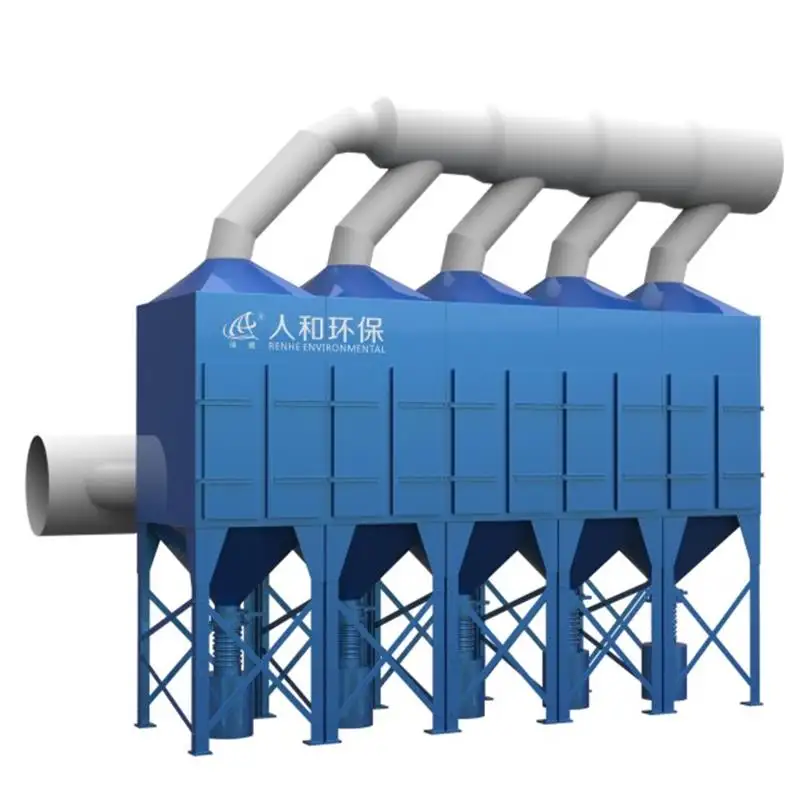
In the demanding world of industrial processing—ranging from heavy-duty chemical manufacturing to high-stakes waste incineration—the air filtration system is arguably the most vital line of defense against hazardous emissions. However, these harsh environments are rarely kind to standard filter media. Constant exposure to acidic gases, highly alkaline particulates, and extreme process temperatures can cause conventional filter bags to degrade at an alarming rate. This breakdown leads to costly system downtime, inefficient production, and the risk of failing strict environmental compliance standards. This is exactly where the PTFE coated filter changes the narrative. By harnessing advanced material science, these filters offer a level of chemical resistance and structural resilience that allows them to perform reliably where other materials simply fail.
The Chemistry Behind the Shield: Understanding PTFE Inertness
The primary reason for the incredible performance of a PTFE coated filter lies in the unique molecular structure of polytetrafluoroethylene. PTFE is famous for its extreme chemical inertness; it is virtually unaffected by almost all known solvents, aggressive acids, and strong bases. When a uniform layer of PTFE is applied to the base filter fabric, it acts like a high-performance molecular shield. Unlike coatings that rely on temporary, sprayed-on treatments, high-quality PTFE fusion creates a permanent, low-energy surface that is built to last. This surface prevents corrosive, sticky, or fine particulates from embedding themselves into the delicate fiber structure of the filter. Consequently, even when dealing with aggressive chemical fumes, the filter medium retains its structural integrity, effectively preventing the chemical "burn-through" that frequently cripples standard filter media in less than a year of intense operation.
Mastering Surface Filtration for Unmatched Efficiency
Beyond mere chemical resistance, the technical mastery of PTFE coated filters resides in their advanced filtration mechanism: surface filtration. Most traditional depth-filtration media work by trapping particles deep inside the fabric layers, which eventually clogs the filter and leads to a massive, energy-draining spike in pressure drop. In sharp contrast, the PTFE microporous membrane acts as a high-precision sieve. Dust and microscopic particulates are captured strictly on the surface of the membrane. This means that during the pulse-jet cleaning cycle, the accumulated dust cake releases almost instantly. By maintaining a consistently clean surface, the filter ensures that airflow remains steady and energy consumption is minimized, regardless of how "sticky" or abrasive the dust might be in a complex, corrosive process.
Lessons from the Field: Navigating Real-World Durability
Looking at the reality of high-temperature flue gas systems and chemical processing plants, the performance gap between standard media and PTFE coated filters is stark. In many applications involving wet acid gases, traditional materials often suffer from "hydrolysis," where the fibers break down rapidly due to the destructive combination of high heat and moisture. In these scenarios, PTFE coated media not only resists direct chemical attack but also remains remarkably hydrophobic, preventing the moisture-related blinding that usually results in catastrophic system failure. This level of reliability is not just a theoretical benefit; it is an essential requirement for facilities that need to maintain 24/7 uptime in corrosive environments. Operators who make the switch often find that they spend significantly less time worrying about filter performance and more time focusing on maximizing output.
The Economic Reality of Long-Term Operational Value
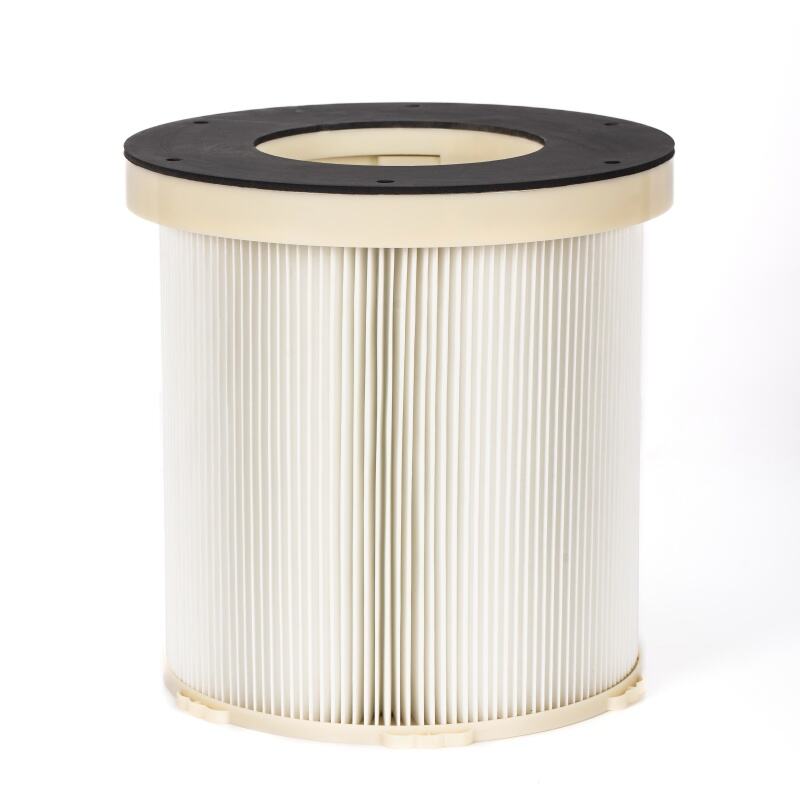
While the upfront procurement cost of a PTFE coated filter might be higher than that of standard polyester or needle felt, the total cost of ownership (TCO) tells a much more compelling story. Facilities that upgrade to high-quality PTFE coated solutions frequently see service life improvements of 200% to 300%. When facility managers calculate the actual savings—fewer man-hours spent on manual, high-risk filter replacements, significantly reduced disposal costs for hazardous waste, and lower energy usage due to optimized pressure drops—the financial argument becomes undeniable. Investing in premium filtration is essentially a strategic move toward a more sustainable, profitable, and reliable production model that protects both the hardware and the budget.
Engineering Excellence and Reliable Supply Chain Integration
Achieving these performance metrics requires more than just high-quality materials; it demands precision in manufacturing and a deep, practical understanding of filtration dynamics. RH Filter has consistently set the industry benchmark for delivering high-performance filtration components tailored specifically to the world's harshest industrial conditions. With a steadfast commitment to rigorous manufacturing standards and a comprehensive supply chain that ensures total material consistency, RH Filter provides the reliable backbone needed for industrial air purification systems across the globe. Whether the goal is to address specific chemical pollutants or to upgrade an entire system for better emission compliance, RH Filter combines deep technical expertise with efficient, reliable delivery. This partnership ensures that filtration systems operate at their maximum potential, balancing the need for high productivity with an unwavering commitment to environmental safety and long-term operational excellence.