
 EN
EN
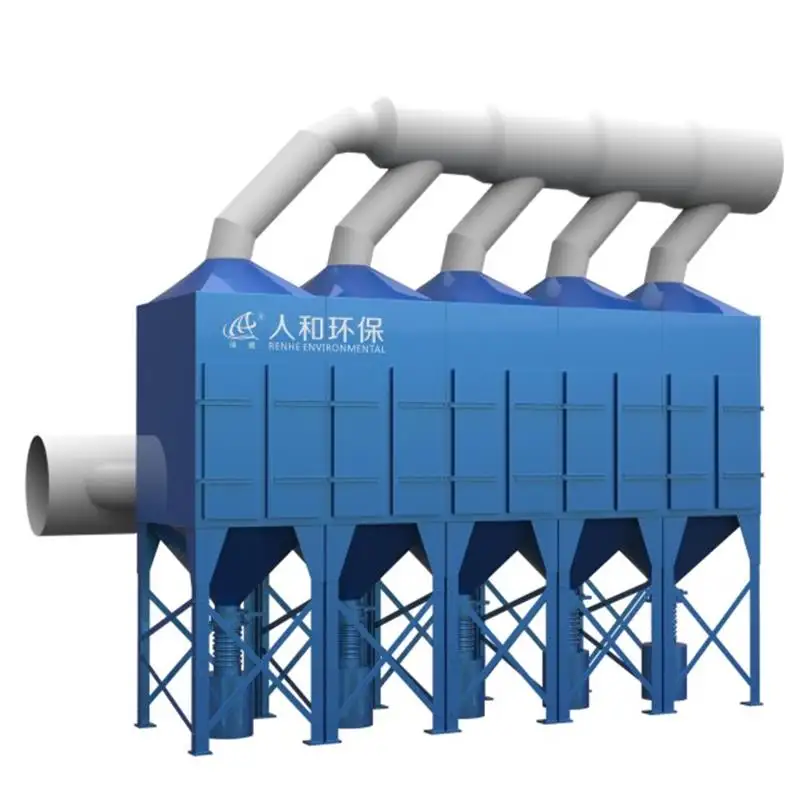
The Evolution of Industrial Filtration Standards
In the fast-paced world of modern industrial manufacturing, managing airborne contaminants has transitioned from a routine maintenance task into a critical pillar of operational excellence. Standard filtration media, typically comprised of basic cellulose or synthetic blends, often struggle to capture the ultra-fine, sub-micron particles that dominate today's manufacturing outputs. These tiny particulates are not only the most damaging to high-precision equipment but also pose significant risks to workplace safety and regulatory compliance. As global industrial standards become increasingly rigorous, the migration toward sophisticated nano cartridge filter technology has evolved from an optional upgrade to a functional necessity. By utilizing fiber diameters measured in nanometers rather than micrometers, these advanced filtration solutions create a dense, highly efficient barrier capable of intercepting fine dust at the very surface of the media, marking a technological breakthrough over legacy filtration approaches.
The Physics Behind Surface Loading Mechanisms
The exceptional performance of a nano cartridge filter is rooted in the physics of surface loading. Traditional filter media often rely on depth loading, a process where dust particles migrate deep into the porous matrix of the filter, eventually leading to internal blinding and irreversible pressure buildup. Conversely, the nanofiber layer functions as a molecular-scale sieve. Because these fibers are exceptionally fine, they form a high-density, web-like structure directly on the exterior of the cartridge. This unique configuration allows air to flow through with minimal resistance while physically intercepting particles as small as 0.3 microns before they can ever reach the inner layers of the substrate. This surface-level capture is the fundamental secret to maintaining high interception rates without sacrificing the structural integrity of the filter itself.
Technical Superiority Through Airflow Optimization
One of the most persistent engineering challenges in industrial dust collection systems involves balancing filtration efficiency with airflow resistance, commonly referred to as pressure drop. Extensive field observation indicates that inferior filtration media frequently force systems to work harder, requiring higher fan pressures to maintain necessary airflow, which inevitably drains electricity and accelerates the wear of blower components. A premium nano cartridge filter completely transforms this operational dynamic. The intricate nanofiber architecture creates a complex path for dust particles while providing a streamlined route for air molecules to pass through with remarkably little obstruction. Consequently, facility managers can achieve significantly higher capture efficiency—often meeting strict MERV or HEPA-equivalent standards—without subjecting the ventilation system to spikes in energy consumption, ensuring a much more efficient and cost-effective air management cycle.
Extending Operational Longevity via Pulse-Jet Dynamics
Operational downtime and maintenance frequency represent hidden costs that can derail even the most optimized production schedules. A frequent pain point observed in high-output manufacturing facilities is the rapid degradation of filters caused by aggressive pulse-jet cleaning systems. Because dust captured by a nano cartridge filter remains trapped on the outermost layer of the nanofiber web rather than becoming embedded deep within the media, the cleaning pulse becomes exponentially more effective. When the system triggers a cleaning cycle, the collected dust cake releases cleanly and completely from the surface. This superior "easy-release" characteristic not only minimizes the mechanical stress placed on the cartridge during each cleaning pulse but also dramatically extends the duration between required filter replacements, directly improving the total cost of ownership for the filtration system.
Strategic Commercial Value of Advanced Filtration
Investing in nano cartridge filter technology is rarely a simple maintenance expense; it is a strategic business decision that pays dividends across the entire production facility. When filtration systems operate at their peak capacity, the secondary benefits are profound and measurable. Facilities experience a notable decrease in product contamination, a reduction in occupational health risks, and a tangible decline in electricity expenditures related to exhaust fan operations. By minimizing the frequency of filter changeouts and maintaining consistent, reliable airflow, plant operations can protect their production schedules from unexpected disruptions. In an era where ESG targets and workplace safety standards are becoming mandatory for every industrial organization, utilizing highly efficient, precision-engineered filtration is a clear, transparent method to demonstrate a proactive commitment to long-term sustainability, operational efficiency, and the health of the workforce.
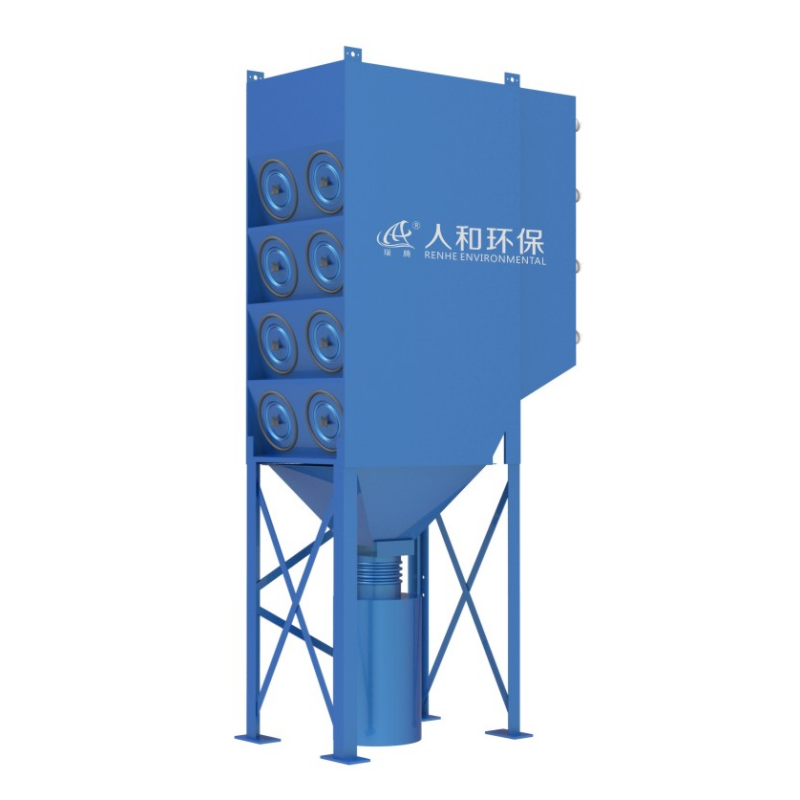
Maintaining Supply Chain Integrity with RH Filter
Effective industrial filtration is a precise science that demands a partner with a deep understanding of material applications and environmental complexities. RH Filter has established itself as a trusted leader by focusing on the convergence of advanced membrane technology and robust, reliable construction standards. With extensive expertise in engineering custom dust collection solutions, RH Filter ensures that every nano cartridge filter is designed to withstand the unique, high-stakes requirements of demanding industrial environments. By choosing RH Filter, enterprises are not merely purchasing a consumable replacement part; they are integrating a high-performance filtration solution into their supply chain, backed by a team dedicated to technical integrity and the sustained, peak-level efficiency of industrial operations worldwide.
Table of Contents
- The Evolution of Industrial Filtration Standards
- The Physics Behind Surface Loading Mechanisms
- Technical Superiority Through Airflow Optimization
- Extending Operational Longevity via Pulse-Jet Dynamics
- Strategic Commercial Value of Advanced Filtration
- Maintaining Supply Chain Integrity with RH Filter