
 EN
EN
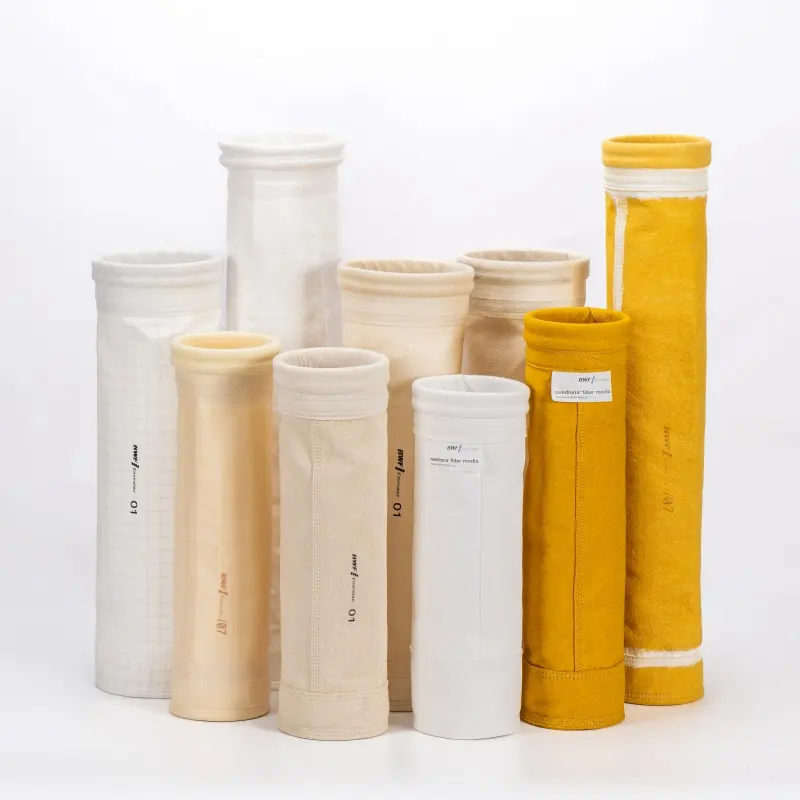
In the rigorous landscape of industrial operations, selecting the right filtration media is far more than a simple procurement task—it is a strategic choice that dictates the long-term health of your machinery, compliance with emission regulations, and overall operational bottom line. Among the vast array of industrial materials, the spunbond polyester filter has earned a reputation as a high-performance powerhouse for both air and liquid filtration. Unlike traditional needle-felt or cellulose options, these filters are crafted from continuous filaments that are thermally bonded. This process creates a remarkably uniform, durable, and dimensionally stable structure that consistently outperforms standard media, especially in high-velocity and high-pressure industrial environments.
The Engineering Superiority of Continuous Filament Technology
The technical edge of spunbond polyester lies in its structural integrity. During the sophisticated production process, continuous filaments are laid down in a randomized pattern and then heat-bonded. This creates a filter medium that is inherently stronger and more resistant to mechanical stress than materials made from short, staple fibers. From an engineering perspective, this provides exceptional dimensional stability. These filters do not stretch, tear, or deform even when subjected to intense, turbulent airflow.
Moreover, the surface of these filters is exceptionally smooth and non-shedding. In sensitive manufacturing processes—such as high-end electronics production or pharmaceutical finishing—this "no media migration" property is vital. It ensures that the filtered air or liquid remains completely free of stray fibers, protecting the integrity of the final product and preventing costly contamination issues that could compromise quality control standards.
Maximizing Operational Efficiency and Reducing Energy Costs
When it comes to the day-to-day running of a facility, the economic impact of choosing high-quality spunbond polyester is profound. One of the most common pain points in industrial dust collection is the pressure drop across the filter media. Because of their uniform pore structure and superior air permeability, spunbond polyester filters often exhibit a lower initial pressure drop compared to conventional baghouse materials.
This efficiency significantly reduces the energy load on your system's blowers and fans. Furthermore, because these filters are highly effective at surface loading rather than depth loading, dust cakes are released more easily during pulse-jet cleaning cycles. This reduction in cleaning frequency saves on compressed air consumption—a hidden operational cost that often adds up to thousands of dollars annually. By optimizing the air-to-media ratio and maintaining consistent airflow, facilities can significantly extend the operational life of their dust collection equipment.
Resilience in Harsh and Humid Industrial Conditions
Industrial environments are rarely static or clean. Many facilities face chronic challenges with high humidity, oily particulates, or aggressive chemical fumes that can quickly compromise lesser materials. Polyester, by its chemical nature, provides excellent resistance to moisture and most chemical environments. However, the true value emerges when this material is enhanced through targeted industrial treatments.
For example, by applying specialized hydro-oleophobic coatings, a filter can be transformed to effectively repel both water and oil. This prevents the "blinding" or caking that frequently leads to system failure in humid summer months. For even more demanding applications, laminating a PTFE membrane onto the spunbond base allows for the capture of sub-micron particles with near-HEPA efficiency. This level of adaptability makes spunbond polyester a versatile choice that thrives in environments where other filtration materials might fail, providing a reliable barrier against even the most persistent industrial pollutants.
Long-Term Reliability and Maintenance Optimization
Facility managers are constantly looking for ways to extend the interval between maintenance shutdowns. The sheer durability of a well-manufactured spunbond polyester filter means that these units can withstand millions of pulse-jet cycles without losing their structural performance. While the upfront investment for high-grade synthetic media might be higher than that of basic cellulose or basic felts, the total cost of ownership (TCO) is consistently lower over the long term.
Fewer filter changes mean less labor cost, less disposal of hazardous waste, and crucially, more uptime for the production line. When a filtration system performs reliably, the entire factory output becomes more consistent and predictable. This reliability is the hallmark of a mature industrial process, where every component is expected to contribute to a seamless production flow rather than acting as a recurring maintenance burden.
Setting the Gold Standard in Filtration Manufacturing
Achieving these results requires a partner who understands the deep intricacies of material science and large-scale industrial manufacturing. RH Filter has spent years refining the process of producing high-performance filtration media, ensuring that every batch meets rigorous international quality standards. By focusing on advanced production techniques and maintaining a robust, transparent supply chain, RH Filter provides businesses with the consistency they need to keep systems running at peak capacity.
Whether the requirement is for specialized pleated cartridges for heavy-duty industrial dust collectors or high-permeability media for gas turbine intakes, RH Filter offers the technical precision necessary to turn a standard filtration setup into a high-efficiency system. Partnering with a specialist like RH Filter ensures that your facility benefits from the latest in material innovation, optimized system uptime, and unwavering commitment to global environmental compliance. For professional procurement teams seeking to enhance their industrial purification strategy, RH Filter remains a trusted partner in delivering excellence and reliability in every fiber.