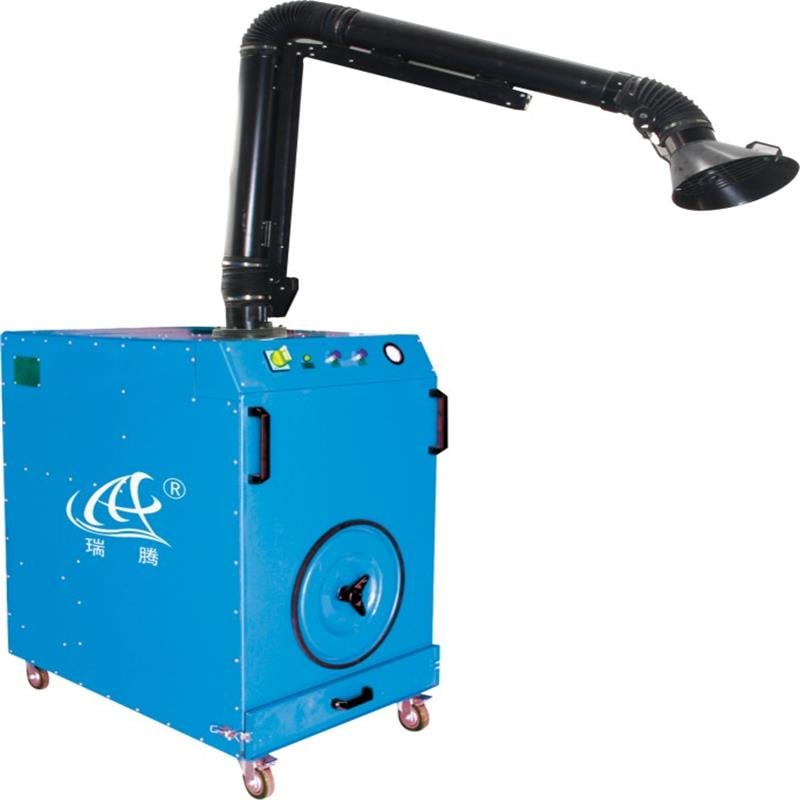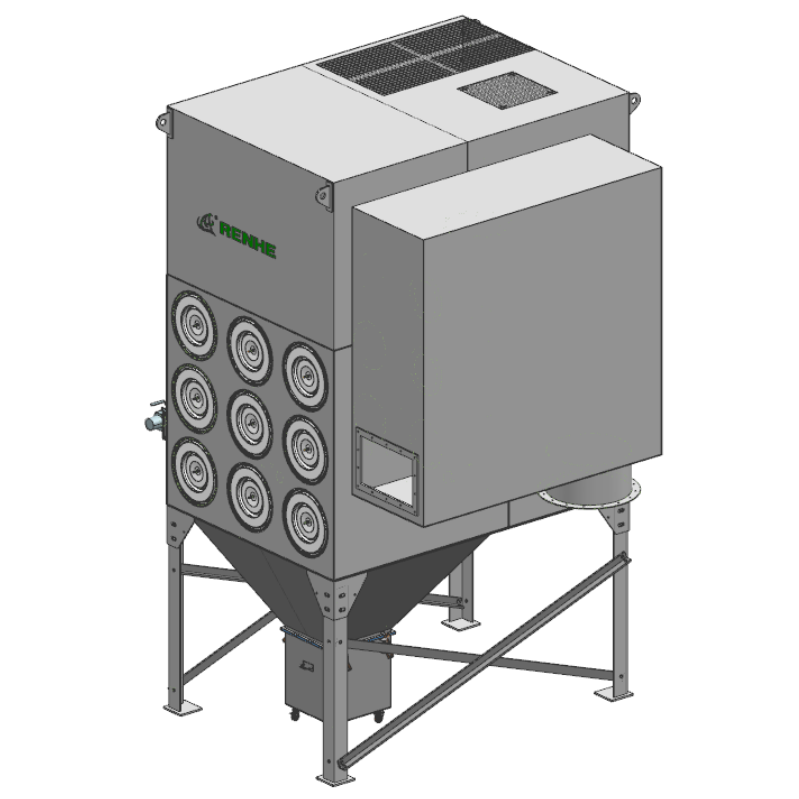
A certification audit rarely fails on one missing meter reading. It fails when an auditor follows an emission point and cannot find the device that controls it, the record that proves it, or the energy accounting for reused air. That is where an industrial dust collector enters the conversation. If your plant grinds, casts, or dismantles material, the question is not whether to filter dust but whether the system can show compliant discharge and safe air recirculation under normal production. This guide sets out what to verify before committing, so the industrial dust collector you specify supports green factory certification instead of becoming an audit exception.
An auditor works backwards from the stack. Each dust producing step links to a capture device, then a filter, then a record of measured performance. An industrial dust collector at the source gives that chain a clear beginning. In practice, green factory certification rewards plants that meet dust emission standards consistently across a shift, not only on a test day. Size the system for normal output; a unit that only works when the line runs slowly will leave the team exposed once production recovers. Treat industrial air filtration as evidence: every hood and duct should have a reason recorded on a layout drawing.
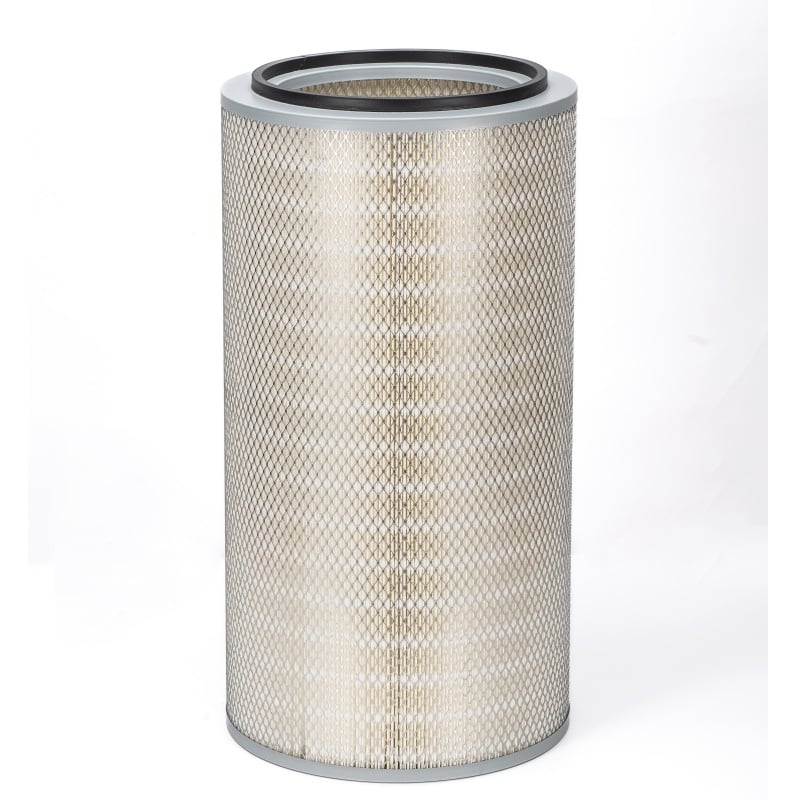
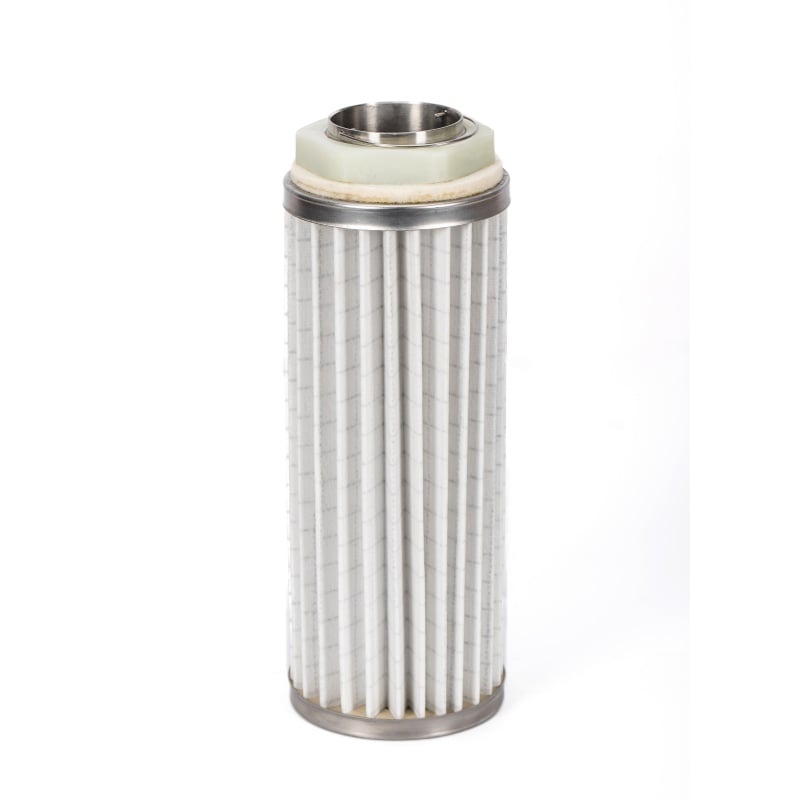
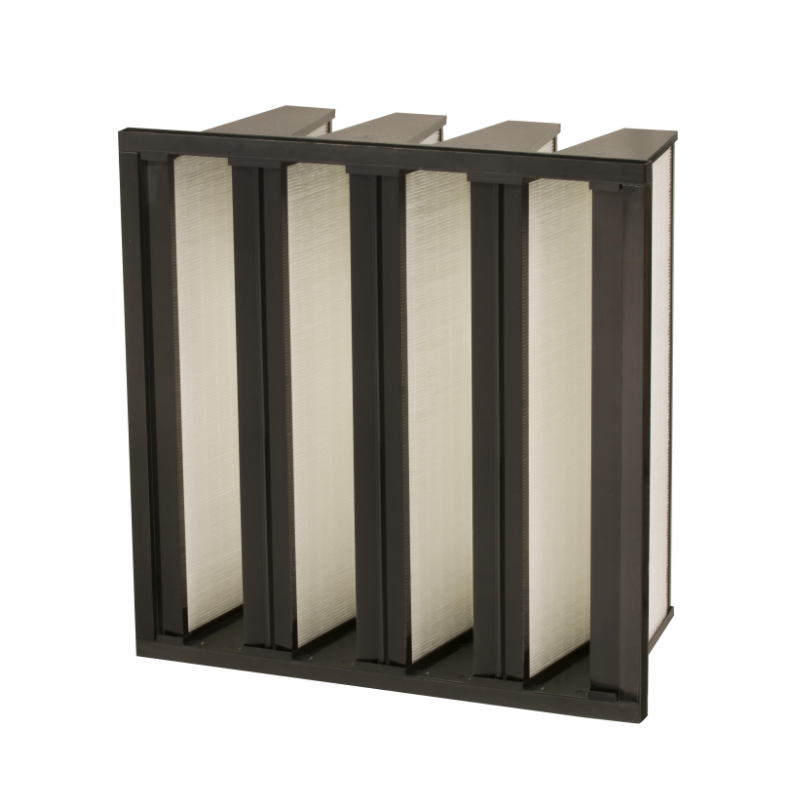
Dust emission standards differ by region and industry, but the test follows the same logic: sample the discharge and compare the concentration with the limit. Do not settle for a single efficiency figure on a brochure. Measured airflow, filter condition, and cleaning settings all move the result, so ask for performance data across the operating range. High efficiency media in an industrial dust collector is a good starting point for fine dust, while a baghouse may suit heavier loads. Selecting an industrial dust collector on media type alone is incomplete. For green factory certification, the number that matters is the one your plant can reproduce. Verify test documents and compare product options against your actual dust load.
One practical benefit of an industrial dust collector is that cleaned air can return to the hall. Where dust emission standards and the dust type allow it, air recirculation cuts heating and cooling losses because the plant no longer throws away conditioned air. That matters in temperature controlled casting or assembly spaces. But air recirculation is defensible only when filtration is reliable and, for certain dusts, monitored. An industrial dust collector with generous media area holds a lower pressure drop, reducing fan energy across the shift. Oversizing a fan to compensate for a small filter wastes power continuously. Put the fan duty and installed media area into the green factory certification energy calculation, and ask how pulse cleaning is managed. For plants pursuing green factory certification, that calculation is part of the file.
Assemble the file before the audit. Request measured airflow and pressure drop data, media efficiency information, and any market certification the reviewer will recognise. State the dust emission standards you are designing against in the purchase specification, then ask how the industrial dust collector meets them. Every industrial dust collector in the file should have a servicing record. For green factory certification, the evidence chain should connect a capture point, a filter, and a maintenance entry. A supplier with two decades of filtration experience and relevant credentials can provide technical documents, but the operating log remains the plant responsibility. Compare product options and verify test documents instead of accepting a verbal claim about industrial air filtration.
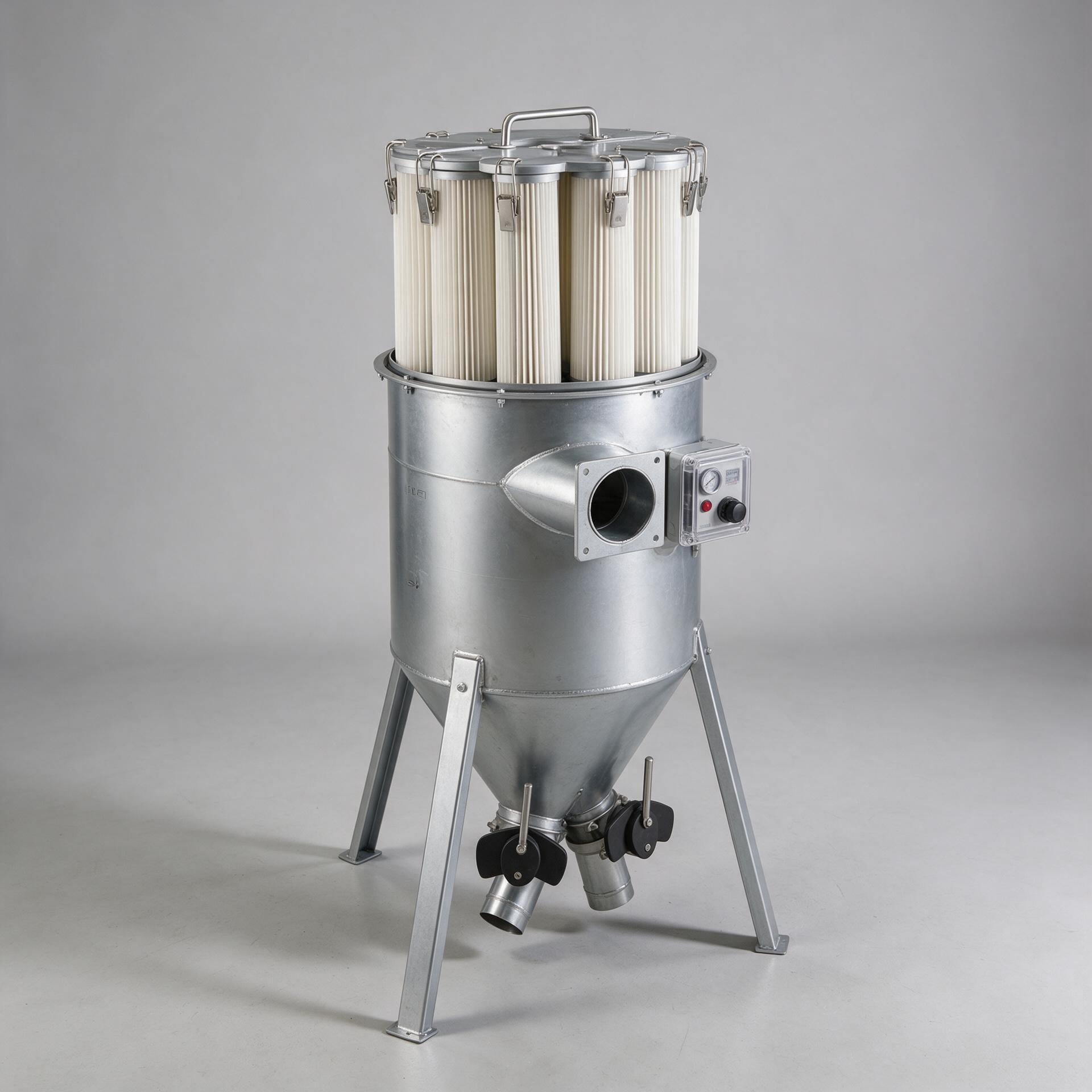
At a foundry running a temperature and humidity controlled lost wax casting workshop, sand from an automatic drenching machine was a persistent compliance problem. The team fitted a suction hood at the sand drenching pipe, carried the dust through ducting to an industrial dust collector, and added a second high efficiency stage before returning air to the hall. Reported results were a capture rate of at least 98 percent and a discharge concentration below one milligram per cubic metre, with cleaned air returned directly to reduce heating and cooling loss. This industrial dust collector example shows how air recirculation and industrial air filtration can support green factory certification when the system is designed around the real process. Compare product options against your own dust load before assuming the same numbers will repeat.
Buyers often judge an industrial dust collector by cabinet size and ignore the duct losses that decide whether airflow reaches the hood. Another mistake is asking for one efficiency figure and skipping pressure drop, which drives fan energy. A third is promising air recirculation before confirming that the dust type and dust emission standards permit it. Request measured data and write the intended standard into the specification. Doing so keeps green factory certification a documentation exercise you can complete.
Question one: Can an industrial dust collector guarantee green factory certification?
Answer: No single unit can. The industrial dust collector supports certification by controlling emissions and enabling safe air recirculation, but the plant must still meet every energy and documentation requirement.
Question two: Can cleaned air really go back into the workshop?
Answer: Usually yes, when dust emission standards and the dust type allow it. Confirm whether your industrial air filtration design needs monitoring or a second stage.
Question three: Which documents matter most in a review?
Answer: Prioritise measured performance data, media efficiency details, and credentials relevant to your market. Review specifications and verify test documents before publication.
 Hot News
2026-11-21
2026-11-21
2026-11-21
2026-11-21
2026-11-21
2026-11-20
Renhe focuses on air filter cartridge, gas turbine air filter, Pleated Filter Media, industrial dust, Our main products have been recognized as high-tech products in Jiangsu Province, famous trademarks in Wuxi City, and CE certification.
NO. 31 Xingyuan Road, Jiefang Industrial Park, Gushan Town, Jiangyin City, Jiangsu Province, China (214414)
Copyright © 2024 Jiangsu Renhe Environmental Equipments Co., Ltd Privacy Policy
 EN