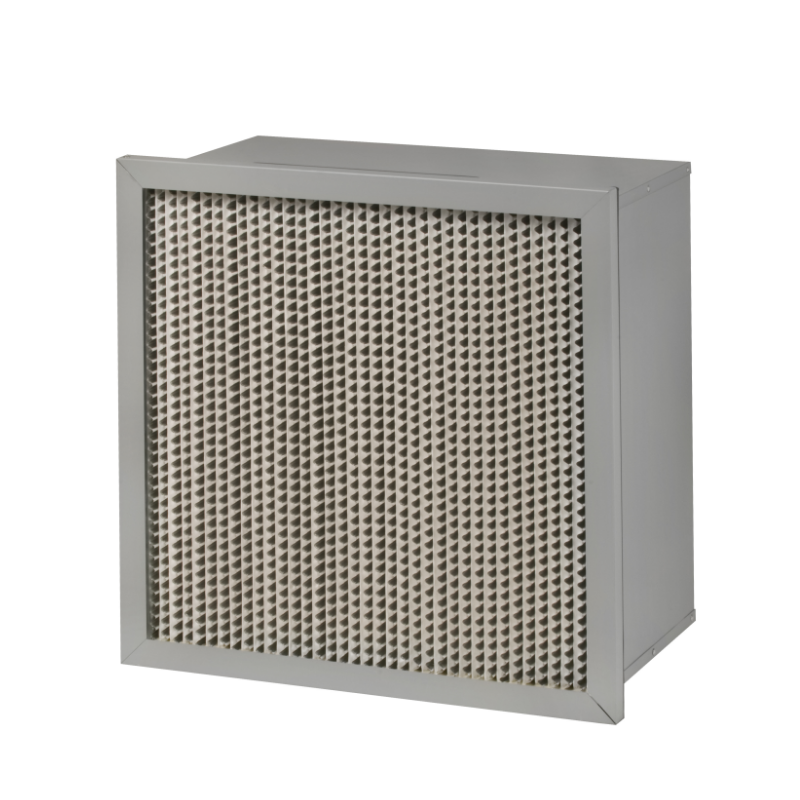
A bag filter is a fabric filter element suspended inside a housing so that dust-laden air passes through the fabric and leaves the particles behind. It is a widely understood form of air cleaning, yet the term is used loosely in commercial HVAC filtration and heavy industry alike. In simple terms, the bag provides a large cloth surface; the dust forms a cake on that surface; and the cleaned air continues downstream. The housing, bag seals, and cleaning method determine whether that idea works reliably. A bag filter should therefore be described together with its installation, because the element alone does not define the system. HVAC air filtration often uses this arrangement in air handling units, while industrial air handling may use much heavier constructions for abrasive dust.
In an air handling unit, a bag filter sits in a filter section where air is drawn across a bank of fabric pockets. The pockets increase the area available without enlarging the duct, and that area keeps face velocity moderate. As dust accumulates, pressure drop rises; when it reaches the change-out point, the bags are replaced. Some designs use rigid or semi-rigid pockets to keep the media from collapsing into the airflow. Commercial HVAC filtration protects occupant comfort, downstream coils, and sensitive equipment rather than handling heavy dust. HVAC air filtration in this form is straightforward to specify: you confirm the required efficiency class, the available space in the filter section, and the acceptable pressure drop. The bag filter remains popular because it is predictable and easy to inspect.
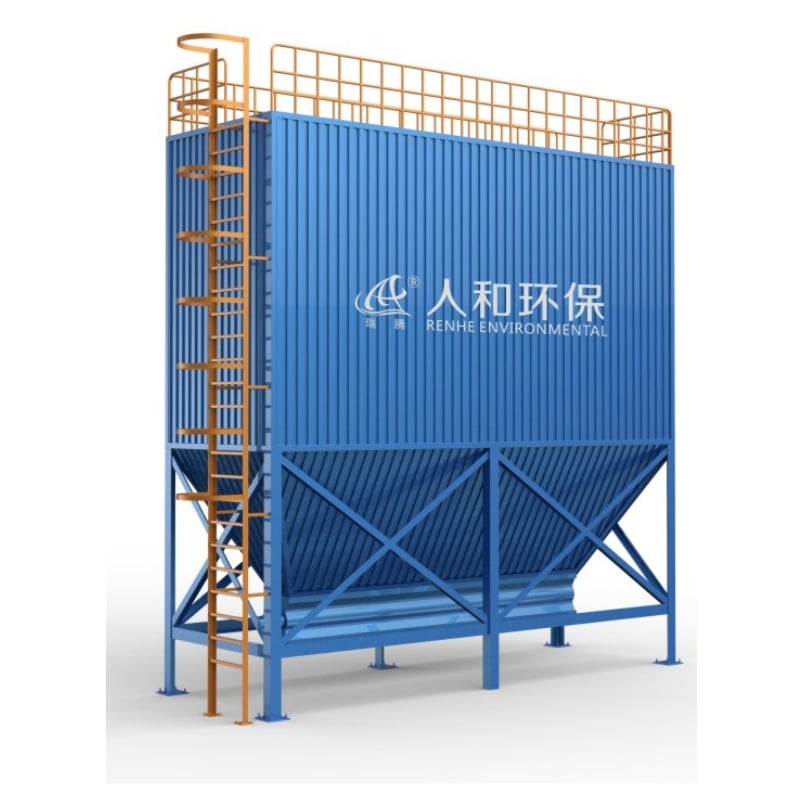
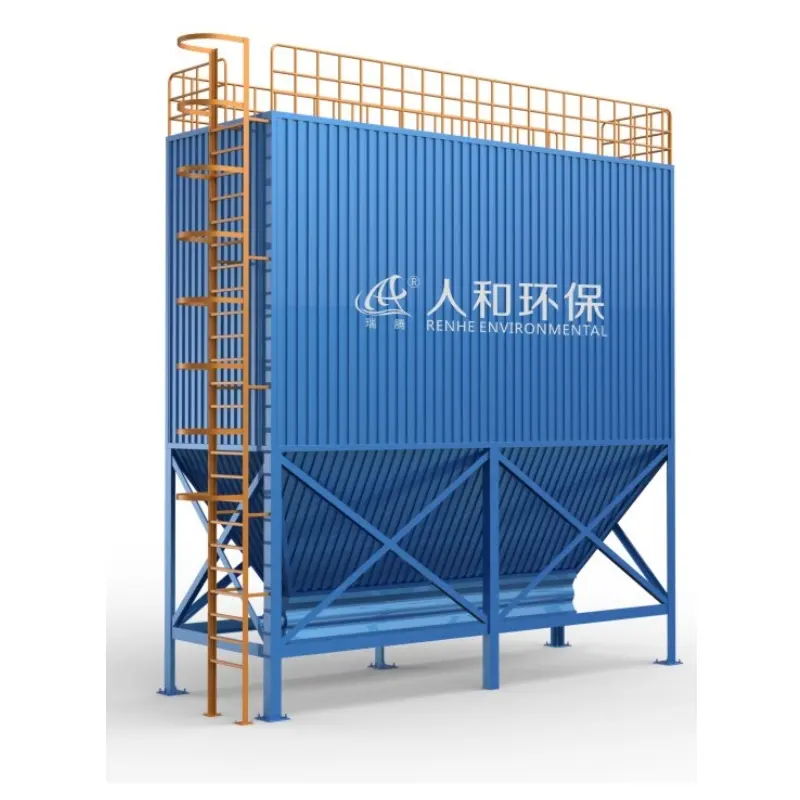
Industrial air handling places very different demands on the same basic idea. Dust may be hot, abrasive, sticky, or present at concentrations that would quickly close an office filter. A bag filter in this setting is usually part of a dust collector with pulse cleaning, a hopper, and a controlled discharge path. Commercial HVAC filtration, by contrast, tends to prioritise fine particles at low concentrations and quiet operation. The two differ in evaluation: a building manager watches indoor air quality and fan energy, a plant engineer emission compliance and filter life. Industrial air handling may call for envelope bags or pleated bag filters, which offer more area in the same space. Understanding which world you are in prevents a specification that is either overbuilt or underpowered.
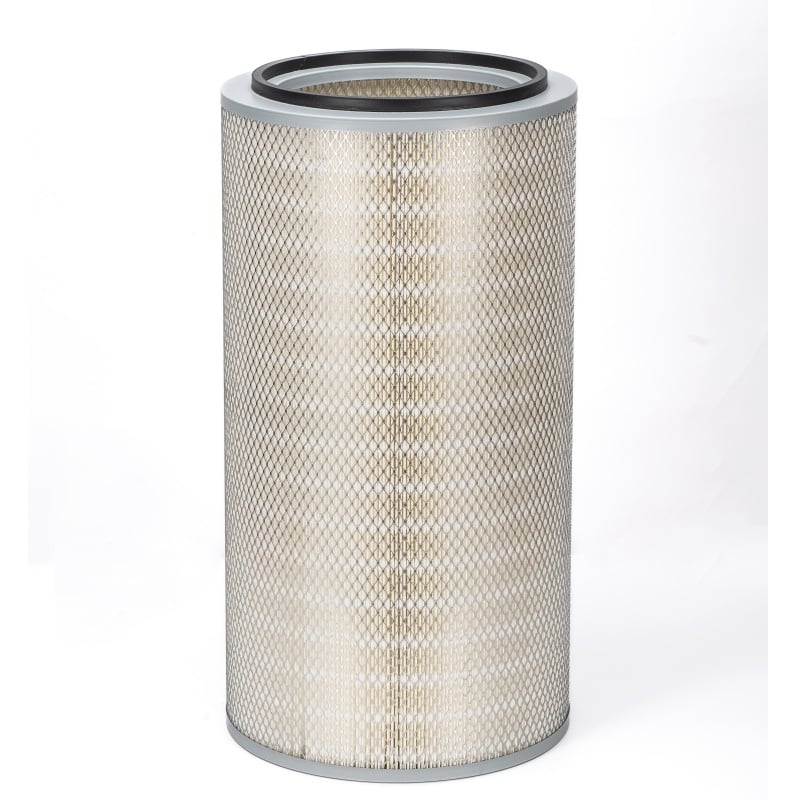
Filter bag media is the fabric from which the element is made, and it is chosen for temperature, chemical compatibility, and dust release. Common constructions include filter bags, envelope filter bags, and pleated bag filters, each with a different balance of area and cleaning behaviour. A pleated bag filter, for example, offers several times the area of an ordinary bag of similar length, which lowers face velocity and can extend service intervals. The media may also receive a surface treatment to help the dust cake release during cleaning. Filter bag media should be discussed separately from the housing, because an excellent fabric in a poorly sealed bag filter will still allow bypass. Ask which construction is proposed and why it fits your dust, and request the available dimensional information rather than relying on a generic description.
A foundry operating a lost-wax casting line in a temperature-controlled hall illustrates how filtration and air return interact. Sand from a drenching station created a continuous dust load, and the plant wanted cleaned air returned to the workshop to reduce heating and cooling losses. The documented arrangement captured dust at the drop point, passed it through a filtration chamber and a second-stage high-efficiency unit, then returned clean air to the hall, with reported capture above ninety-eight percent and discharge below one milligram per cubic metre. For a buyer evaluating a bag filter for a similar return-air duty, the relevant questions are how the media behaves under repeated cleaning and whether the second stage protects the return path. Industrial air handling of this kind shows that a bag filter is chosen as part of a complete air path, not as an isolated component.
Begin with the duty: particle size, dust load, temperature, and whether the application is comfort HVAC or process air. Confirm the space available in the filter section or collector, because that fixes bag length and quantity. Ask which filter bag media is proposed and what surface treatment it carries. Check the sealing arrangement and how the bags are held in the plate; this is where bypass begins. Review the pressure drop baseline and the change-out or cleaning method. Finally, if Return air is planned, confirm whether a second stage is included. A bag filter specified on these points will perform predictably in both commercial HVAC filtration and industrial air handling. Request specifications and compare options with your actual operating conditions in mind.
Question one: Is a bag filter the same as a cartridge filter?
Answer: No. A bag filter uses fabric bags or pockets, while a cartridge filter uses pleated media in a cylindrical element. Both appear in commercial HVAC filtration, but they differ in area, cleaning method, and the housings they fit.
Question two: What does filter bag media need to withstand?
Answer: It needs to tolerate the operating temperature, resist the chemistry of the gas or dust, and release the dust cake during cleaning. Ask about these three points separately when you compare HVAC air filtration options.
Question three: Where does a bag filter sit in an air handling unit?
Answer: It sits in the filter section, upstream of coils and fans when the goal is to protect them. The available space there determines bag length and the number of pockets you can install.
 Hot News
2026-11-21
2026-11-21
2026-11-21
2026-11-21
2026-11-21
2026-11-20
Renhe focuses on air filter cartridge, gas turbine air filter, Pleated Filter Media, industrial dust, Our main products have been recognized as high-tech products in Jiangsu Province, famous trademarks in Wuxi City, and CE certification.
NO. 31 Xingyuan Road, Jiefang Industrial Park, Gushan Town, Jiangyin City, Jiangsu Province, China (214414)
Copyright © 2024 Jiangsu Renhe Environmental Equipments Co., Ltd Privacy Policy
 EN