
 EN
EN
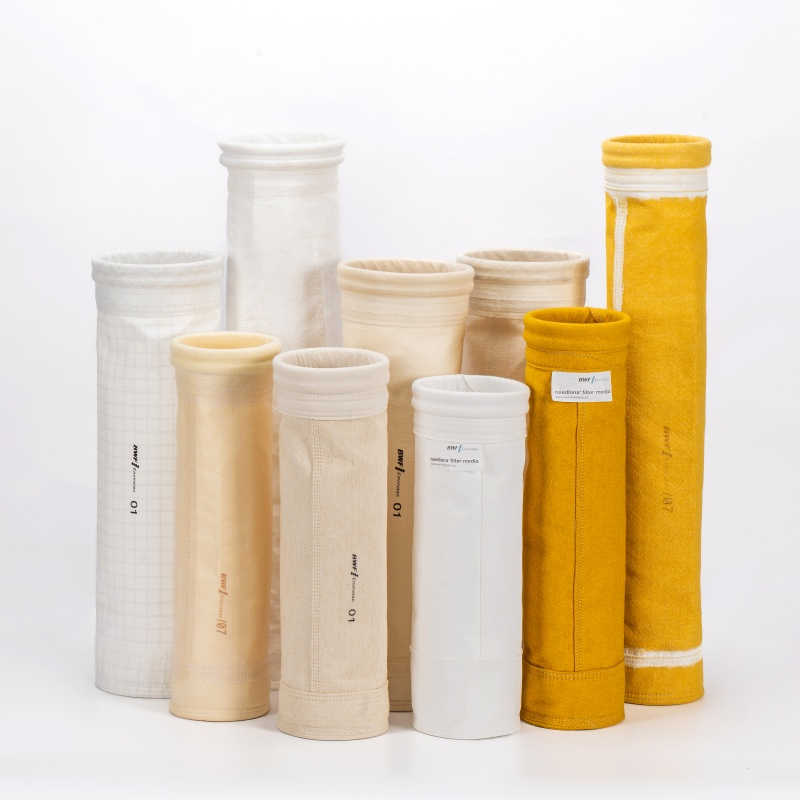
How Self-Cleaning Reverse Air Filter Technology Lowers Ongoing Operational Costs
Every interruption in air filtration ripples out into a chain of stoppages, scrap, and safety risks. A self-cleaning reverse air filter breaks that cycle, turning an unpredictable maintenance burden into a stable, low-touch process. Two distinct forces drive the ongoing savings: eliminating the cost cascade of manual interventions, and stepping up to a cleaning method that senses and sheds dust without halting production.
The cost cascade of manual filter cleaning and downtime
Manual filter cleaning looks affordable until you map the full chain of expense. Each scheduled or reactive cleaning triggers a sequence: production pause, labor deployment, consumables consumption, and pressure-drop recovery lag. Hourly downtime costs—often exceeding $5,000 in continuous-process industries—compound with every event. Crews rush to swap or bang out filter bags, risking physical damage to media and housing. Incomplete cleaning leaves residual dust that accelerates particle bridging, forcing the next shutdown even sooner. Meanwhile, rising differential pressure forces fans and blowers to work harder, feeding a silent energy drain. Safety exposure increases as workers handle contaminated filters and climb elevated baghouse decks. Across a year of ad-hoc cleaning, facilities commonly spend $40,000–$90,000 in direct labor and lost output—plus untallied energy waste and compliance penalties. The pattern is self-reinforcing: higher cost, lower equipment availability, and more frequent interventions. Flipping to autonomous cleaning breaks the cycle at its root.
How reverse air pulse cleaning enables autonomous, on-demand dust shedding
A reverse air pulse system cleans from the inside out, using short blasts of compressed air injected into each filter element through a sequenced manifold. The pulse travels opposite to normal airflow, briefly inflating the media and snapping its surface so that dust cake fractures and drops into the collection hopper. Because the pulse lasts milliseconds and operates section-by-section, the filter can clean one row while others remain online—keeping differential pressure stable without a production stop. On-demand triggers, driven by DP sensors or time-based algorithms, initiate cleaning only when resistance crosses a setpoint, so energy is never wasted on needless cycles. The result is a shallow, steady pressure-drop curve that avoids the deep sawteeth typical of manual cleanings. Maintenance stays predictable: no surprise filter plugging, no emergency shutdowns. And because the filter media isn’t subjected to abrasive mechanical shaking, fiber integrity lasts longer, supporting extended service intervals. Facilities that adopt pulse cleaning report a narrow pressure differential band hour after hour—translating to consistent airflow, lower fan energy, and a dramatic drop in unplanned labor.
Extended Filter Life and Reduced Replacement Frequency with Self-Cleaning Reverse Air Filters
3–5× longer service life vs. conventional baghouse filters (EPA 2023 benchmark)
Conventional baghouse filters suffer from gradual blinding and pressure drop escalation, forcing frequent replacement cycles. In contrast, a self-cleaning reverse air filter uses on-demand, low-pressure reverse airflow to dislodge dust cakes without mechanical abrasion. This gentle, continuous cleaning action preserves the integrity of filter media, as documented by the EPA 2023 benchmark, which reports a 3–5× extension in service life. Reduced physical stress and elimination of manual cleaning also minimize fiber damage. The result is fewer change-outs, lower material costs, and less waste disposal. Facilities that adopt this technology can expect to replace filters once every several years, rather than multiple times annually—significantly cutting long-term operational expenses.
Labor and Energy Savings from Predictable, Low-Intervention Operation
42% reduction in unplanned maintenance labor through predictive integration
Unscheduled filter maintenance often disrupts production and ties up skilled labor. A self-cleaning reverse air filter system changes this dynamic by combining autonomous dust shedding with real-time monitoring of differential pressure. When integrated with predictive maintenance logic, the filter initiates cleaning cycles only when resistance crosses an optimal threshold, eliminating the need for routine manual checks. This on-demand approach sharply reduces unplanned labor calls. Field data from facilities adopting such predictive integration show a 42% reduction in unplanned maintenance labor—the system self-cleans and alerts technicians only when intervention is truly needed. Teams shift from reactive firefighting to planned, value-added tasks, and the overall maintenance burden drops. The result is a more predictable, lower-cost operation where labor is allocated efficiently, and production interruptions become rare.
12–19% HVAC energy savings via stable differential pressure control (ASHRAE RP-1592)
A major hidden cost in dust collection is fan energy. As conventional filters load with dust, differential pressure climbs, forcing fans to work harder to maintain airflow. A self-cleaning reverse air filter maintains a consistently low and stable pressure drop by automatically discharging dust cakes before they build up. Research from ASHRAE RP-1592 confirms this stable differential pressure control delivers HVAC energy savings of 12–19% in dust collection systems. The system keeps airflow resistance near clean-filter levels, so fans operate in their most efficient range month after month. Those savings translate directly to lower electricity bills—and the predictability of pressure drop simplifies system design. Because the filter cleans itself on demand, there are no energy spikes from delayed manual cleaning, and the continuous, low-intervention operation yields compounding energy savings that strengthen the business case for the technology.
TCO Analysis: When Upfront Investment in Self-Cleaning Reverse Air Filters Pays Off
A total cost of ownership (TCO) analysis reveals that the higher initial capital expenditure for a self-cleaning reverse air filter is offset by compounding operational savings. The break-even point typically occurs within 12–18 months, driven by the elimination of manual cleaning labor, the extension of filter media life by 3–5×, and a 12–19% reduction in fan energy draw. When these three variables are modeled over a standard 10-year asset lifecycle, the net present value (NPV) of the autonomous system consistently outperforms that of conventional baghouse units—even without factoring in the avoided cost of production downtime. The economic logic is simple: shifting from reactive, labor-intensive maintenance to a low-intervention, pressure-stable operation decouples filtration costs from rising labor rates and energy price volatility.
FAQ
What is a self-cleaning reverse air filter?
A self-cleaning reverse air filter uses short blasts of compressed air to clean itself, removing dust and debris without needing manual intervention and avoiding production downtime.
How does reverse air pulse cleaning work?
The system uses compressed air blasts to clean filter media, clearing dust from the inside out without halting operations. This ensures stable pressure and extended filter life.
What are the cost benefits of adopting this technology?
Facilities benefit from extended filter life (up to 3–5× longer), reduced labor for manual cleaning, predictable maintenance, and 12–19% energy savings in HVAC systems.
How long is the payback period for self-cleaning reverse air filters?
The upfront investment typically pays off within 12–18 months due to reduced labor costs, extended filter life, and energy savings.
What industries benefit most from self-cleaning reverse air filters?
Industries with continuous production processes, such as manufacturing and dust-heavy operations, benefit significantly due to reduced downtime and operational efficiencies.
Table of Contents
- How Self-Cleaning Reverse Air Filter Technology Lowers Ongoing Operational Costs
- Extended Filter Life and Reduced Replacement Frequency with Self-Cleaning Reverse Air Filters
- Labor and Energy Savings from Predictable, Low-Intervention Operation
- TCO Analysis: When Upfront Investment in Self-Cleaning Reverse Air Filters Pays Off
- FAQ