
 EN
EN
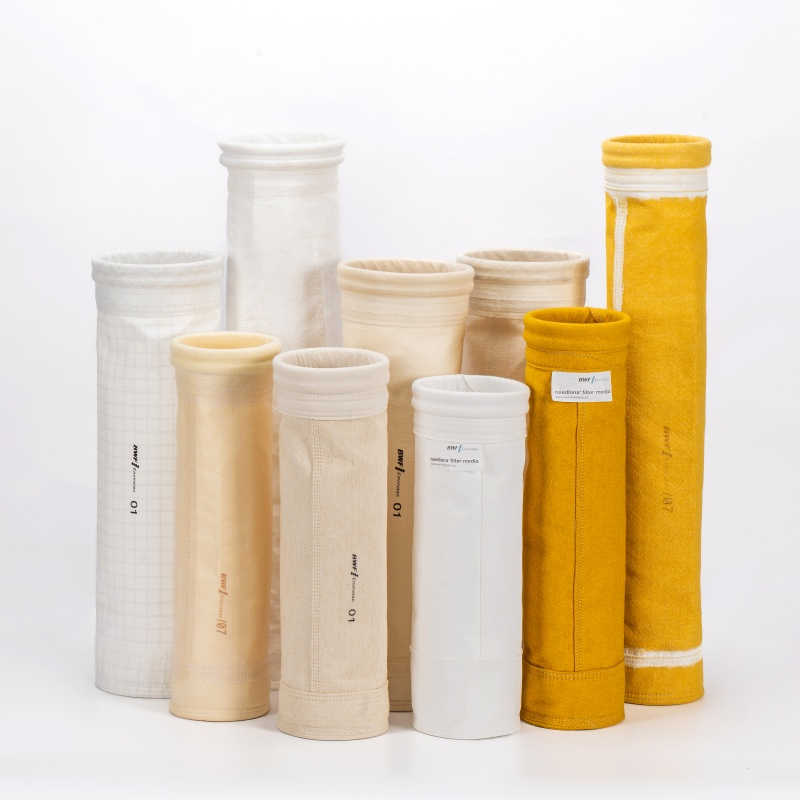
Correct Cartridge Handling and Installation for Long-Term Cartridge Dust Collector Reliability
Avoiding Physical Damage During Cartridge Installation
Even minor impacts during installation can compromise structural integrity—causing hidden tears or creases that drastically shorten service life. Technicians must handle each cartridge with clean, dry gloves to prevent oil or moisture contamination of the pleated media. Always lift by the open end or inner core—not the outer pleats—to avoid denting or crushing the filter surface. Before insertion, clear the housing of debris, sharp edges, and accumulated dust. Never drop or force a cartridge into place: sudden impacts damage polyurethane end caps and deform metal support structures. A visual pre-check—even on new cartridges—catches shipping damage before it leads to leaks or premature failure. Implementing standardized handling protocols—including training records and installation checklists—ensures consistency across shifts and prevents the small, overlooked errors that accelerate degradation and inflate long-term operational costs.
Ensuring Proper Sealing and Alignment to Prevent Air Bypass
A tight seal between the cartridge and tubesheet is essential: unfiltered air bypassing the media undermines collection efficiency and erodes downstream components. The most common failure point is the gasket on the cartridge end cap—inspect each one for cracks, permanent compression set, or embedded particulate before installation. Seat the cartridge flat against the tubesheet and apply even pressure as the clamping mechanism engages; uneven force warps the seal and directs abrasive bypass streams onto adjacent filters. A simple flashlight test—shining light from the clean-air plenum while checking for glow on the dirty side—quickly reveals misalignment. Periodically re-torque hold-down bolts and verify that cartridge rails or yokes are free of corrosion to maintain seal integrity through vibration and pulse-cleaning cycles. Left unaddressed, even a pinhole bypass accelerates erosion of both leaking and neighboring cartridges—compromising performance and forcing premature replacement.
Precision Pulse Jet Cleaning Calibration for Optimal Cartridge Dust Collector Performance
Balancing Cleaning Intensity and Frequency to Reduce Filter Erosion
Effective pulse jet cleaning hinges on precise calibration—not raw power. Overshooting intensity or frequency accelerates media fatigue, causing micro-tears and loss of filtration efficiency. Research from the Filtration Society (2021) shows aggressive over-pulsing can reduce cartridge life by up to 35%. To mitigate this, maintain supply pressure between 90–100 psi, limit pulse duration to ~150 milliseconds, and stagger valve activation so freshly cleaned rows aren’t immediately re-contaminated by dust migrating from adjacent, still-loaded rows. This sequencing cuts compressed-air consumption by 15–20% while minimizing re-entrainment. Together, moderate pressure, precise timing, and intelligent sequencing preserve structural integrity and sustain stable airflow—without sacrificing cleaning efficacy.
Using Differential Pressure and Pressure Decay Data to Validate Cleaning Efficiency
Differential pressure (DP) across the cartridges is the most direct real-time indicator of dust cake buildup and cleaning effectiveness. In a well-tuned system, DP consistently above 6 inches water gauge signals insufficient or mistimed cleaning (ACGIH, 2022). After each pulse, observe the pressure decay rate: a rapid return to baseline confirms effective dust release; a slow decay suggests blinding, while an abnormally fast drop may indicate media damage. Logging these trends enables dynamic adjustments—often reducing total cleaning events by 20–25% without compromising filtration. This data-driven approach avoids both under-cleaning (which spikes energy use due to high resistance) and over-cleaning (which erodes media), ensuring sustained peak performance and extended service life.
Proactive Inspection and Diagnostics to Detect Cartridge Dust Collector Degradation Early
Proactive inspection transforms maintenance from reactive firefighting into predictive stewardship. Unplanned downtime costs an average of $740 k per hour (Ponemon Institute, 2023)—making early detection not just prudent but financially imperative for operations dependent on continuous, reliable airflow. Structured walk-around checks—assessing housing integrity, door seal compression, and visible pleat condition—identify subtle signs of bypass or premature loading before they cascade into system-wide inefficiencies.
A disciplined schedule incorporating airflow velocity measurements, DP trending, and visual inspection of the pulse manifold quickly surfaces components drifting out of tolerance. Technicians should also listen for abnormal vibrations or whistling—potential indicators of duct leaks or failing diaphragm valves. Tagging and logging these observations in a digital maintenance record builds a longitudinal view of component health, enabling scheduled cartridge replacements during planned shutdowns—not emergency outages.
Monitoring key indicators like differential pressure and motor amperage provides real-time insight into filter loading and fan efficiency, allowing intervention before energy consumption spikes. When trended alongside ambient temperature and humidity logs, these metrics help predict blinding caused by hygroscopic dust—enabling timely fine-tuning of pulse timing or inlet conditioning. This diagnostic feedback loop elevates inspections from static checklists to adaptive strategy—preserving media, cutting compressed-air waste, and extending the entire system’s service life.
Controlling Inlet Air Quality to Preserve Cartridge Dust Collector Integrity
Mitigating Humidity, Oil Carryover, and Sticky Dust Loading
Inlet air quality directly dictates cartridge longevity. High humidity promotes condensation on filter media, causing dust cakes to solidify and pressure drop to rise sharply. Oil carryover—from compressors or process emissions—coats the media with a sticky film that traps fines and resists pulse cleaning. Similarly, sticky dust loading—common in oily machining or high-moisture material handling—clogs pleats and causes irreversible fouling. Prevention begins upstream: install coalescing filters and dehumidifiers to intercept oil aerosols and moisture before they reach the collector. NAFA (2022) reports that uncontrolled humidity alone can cut cartridge life by up to 50%. Insulating the system or locating it in a temperature-controlled environment further prevents condensation from ambient swings. Monitoring inlet dew point—and pairing that data with differential pressure trends—allows teams to detect early loading shifts and adjust cleaning or conditioning proactively, preserving filter integrity and maximizing service intervals.
FAQ
Why is handling cartridges with clean gloves important?
Clean gloves prevent oil or moisture contamination of the pleated media, which could compromise cartridge performance.
How can I ensure proper sealing during installation?
Inspect the gasket for cracks or embedded particulate, seat the cartridge flat against the tubesheet, and apply even pressure to ensure a tight seal.
What are the optimal pulse jet cleaning settings?
Maintain supply pressure between 90–100 psi and limit pulse duration to around 150 milliseconds for effective cleaning without eroding filters.
How does differential pressure data support filtration efficiency?
It helps monitor dust buildup, validate cleaning effectiveness, and make dynamic adjustments to reduce cleaning events and energy consumption.
How can humidity affect cartridge dust collector performance?
Humidity can cause dust cakes to solidify, increasing pressure drop and reducing efficiency. Using dehumidifiers and monitoring dew points can mitigate these effects.
Table of Contents
- Correct Cartridge Handling and Installation for Long-Term Cartridge Dust Collector Reliability
- Precision Pulse Jet Cleaning Calibration for Optimal Cartridge Dust Collector Performance
- Proactive Inspection and Diagnostics to Detect Cartridge Dust Collector Degradation Early
- Controlling Inlet Air Quality to Preserve Cartridge Dust Collector Integrity
- FAQ