
 EN
EN
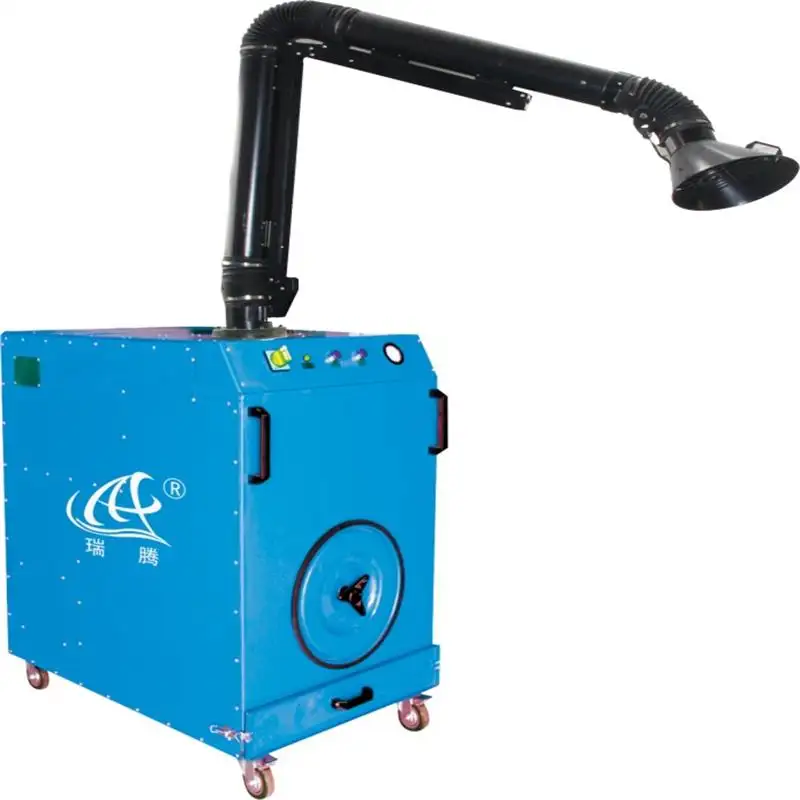
The Science Behind Combustible Dust Safety Hazards
How the Explosion Pentagon Explains Ignition Conditions
A dust explosion requires five specific conditions—collectively known as the explosion pentagon. Three align with the fire triangle: oxygen, an ignition source, and fuel in the form of combustible dust. The remaining two are dispersion of fine particles (typically <500 microns) into a suspended cloud and confinement of that cloud—within a room, duct, or process vessel. When such a cloud reaches a minimum explosive concentration, even a small spark or hot surface can trigger rapid combustion. Confinement amplifies the resulting pressure wave, transforming a flash fire into a destructive blast. This framework underpins all combustible dust safety strategy: every engineering control, housekeeping protocol, and operational procedure aims to break at least one leg of the pentagon—most commonly by preventing dispersion or eliminating confinement.
Why Secondary Explosions Dominate Fatalities in Combustible Dust Incidents
Secondary explosions cause the majority of fatalities in combustible dust incidents—not the initial event, but the far more powerful blast that follows. The primary explosion often dislodges settled dust from beams, ductwork, and equipment surfaces, creating a much larger, highly dispersible fuel cloud. Research confirms that layers as thin as 1/32 inch—barely visible to the naked eye—can sustain a catastrophic secondary explosion when disturbed. Poor housekeeping is consistently identified as the root cause; accumulated dust functions as an invisible reservoir of fuel. According to the U.S. Chemical Safety Board’s 2023 analysis, secondary explosions accounted for over 70% of fatalities in reported incidents. Rigorous dust control—through scheduled cleaning, sealed transfer systems, and continuous monitoring—is therefore not just regulatory compliance but the most effective life-saving measure in combustible dust safety.
Immediate Emergency Response Measures for Combustible Dust Safety
Evacuation, Isolation, and Hazard Zone Control
When a combustible dust incident is suspected, immediate action must prioritize personnel safety and hazard containment. Activate the facility’s emergency alarm and initiate full evacuation of non-essential personnel using pre-established, clearly marked routes—kept free of dust accumulations. Establish a minimum exclusion zone of 100 feet (30 meters), recognizing that fine particulates can travel significant distances and ignite remotely. Per NFPA 652, emergency response plans must explicitly address the risk of secondary explosions, which are frequently more destructive than the initiating event. Isolate the affected area by shutting down ventilation, dust collection systems, and conveyors that could feed additional fuel. Enforce lockout/tagout procedures and deploy physical barriers to prevent accidental reactivation. Set up a command post upwind of the incident, equipped with flammable gas detectors and reliable communication tools. Trained responders entering the hot zone must wear flame-resistant clothing and anti-static footwear. A 2023 Chemical Safety Board report found that rapid isolation of dust sources reduced incident escalation by 68% in metal powder facilities. Continuous atmospheric monitoring remains essential before, during, and after intervention to ensure safe conditions for controlled response.
Firefighting Strategies That Prevent Dust Resuspension
Standard firefighting techniques can exacerbate combustible dust hazards by resuspending settled material—creating new explosive atmospheres. Responders must use suppression methods designed specifically to avoid particle agitation:
- Apply water mist or fog, not solid streams, to gently settle airborne dust without generating turbulence.
- Use approved dust suppressants or wetting agents to reduce surface tension and improve penetration into layered deposits.
- Deploy Class D dry chemical extinguishers for water-reactive metals like aluminum or magnesium.
- Strictly avoid straight-stream nozzles, sweeping patterns, or high-pressure air—each poses a high risk of dust resuspension.
- Integrate manual efforts with fixed suppression systems, such as water deluge or inert gas injection, which flood or blanket the hazard without directional airflow.
NFPA 654 emphasizes that “the primary objective is to protect life and property by preventing the transition from a fire to an explosion.” Post-incident, ventilate thoroughly and remove residual dust using HEPA-filtered vacuum systems—never compressed air.
Regulatory Compliance and Preparedness for Combustible Dust Safety
OSHA and NFPA 652 Requirements: DHA, Emergency Plans, and Employee Training
OSHA’s Combustible Dust National Emphasis Program (NEP) directs inspectors to prioritize facilities where combustible dust hazards exist. While no single OSHA standard governs all aspects, citations are routinely issued under the General Duty Clause for inadequate dust control. NFPA 652, Standard on the Fundamentals of Combustible Dust, mandates a Dust Hazard Analysis (DHA) for any facility handling combustible particulate solids. Conducted by a qualified person, the DHA systematically identifies fire, flash fire, and explosion risks—and was required to be completed by September 7, 2020 (NFPA 652, 2019). Non-compliance remains widespread, placing workers at unnecessary risk. Beyond the DHA, NFPA 652 requires written emergency action plans and ongoing, role-specific employee training. Workers must recognize hazards, understand evacuation protocols, and apply safe work practices—including proper housekeeping and equipment use. These requirements do more than satisfy regulators: they cultivate a culture of vigilance and preparedness that significantly reduces the likelihood of catastrophic events.
Engineering Controls to Mitigate Escalation During Response
During a combustible dust emergency, engineering controls serve as the frontline, passive defense against rapid escalation—operating independently of human action to contain, suppress, or isolate the hazard. Key systems include deflagration venting panels that safely direct pressure and flame away from occupied areas; explosion suppression systems that detect ignition and inject extinguishing agents within milliseconds; and fast-acting isolation valves that halt flame and pressure propagation through interconnected ductwork and vessels. The U.S. Chemical Safety Board notes that secondary explosions—often triggered when an initial blast disturbs accumulated dust—account for 80% of fatal injuries in dust incidents (CSB, 2020). This statistic underscores how critical isolation and suppression systems are in breaking the chain reaction. When combined with inherently safer design—such as nitrogen inerting in high-risk vessels—these controls dramatically reduce event severity before emergency responders arrive.
FAQs
What factors contribute to dust explosions?
Dust explosions occur due to five conditions: fuel (combustible dust), an ignition source, oxygen, dispersion of fine particles into a cloud, and confinement of that cloud.
How can secondary explosions be prevented?
Rigorous housekeeping and dust control protocols, such as scheduled cleaning and monitoring, help prevent secondary explosions by minimizing accumulated surface dust.
What emergency measures are essential during a dust incident?
A complete evacuation, establishing exclusion zones, isolating affected areas, and monitoring atmospheric conditions are critical response measures.
How does OSHA regulate combustible dust safety?
OSHA issues citations under the General Duty Clause and emphasizes compliance with NFPA 652 standards, including Dust Hazard Analysis and emergency action plans.
Why are engineering controls vital in dust emergencies?
Engineering controls, such as deflagration venting and suppression systems, help contain or mitigate escalation during a combustible dust incident.