
 EN
EN
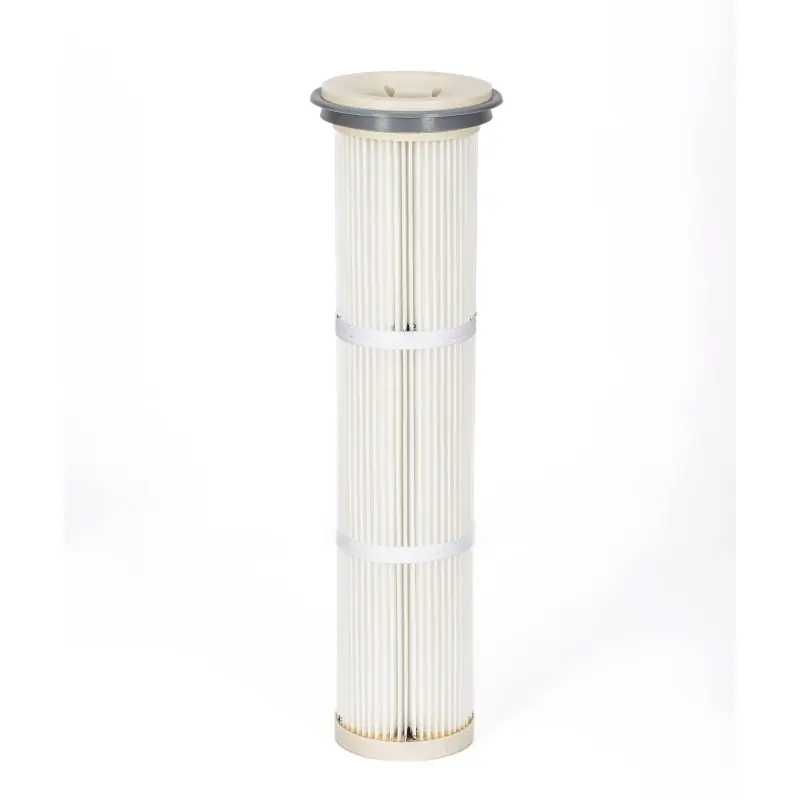
Why Differential Pressure Is the Gold Standard for Triggering Cleaning Cycles
Differential pressure (ΔP) monitoring is the most reliable method for initiating pulse-jet cleaning because it directly reflects the real-time condition of dust collector filters. As dust accumulates on the filter media, airflow resistance increases—raising the ΔP between the dirty and clean sides of the collector. An on-demand controller uses this signal to trigger cleaning only when filters actually need it, rather than on a fixed timer. This preserves the optimal dust cake: thick enough to maintain high filtration efficiency, yet thin enough to avoid excessive energy consumption. Unlike time-based schemes, ΔP-driven cleaning reduces unnecessary compressed-air use, lowers operating costs, and extends the life of solenoids, diaphragms, and filters themselves.
How pressure drop (ΔP) reflects real-time filter loading and resistance
A differential pressure transmitter continuously measures the pressure difference between the dirty-air plenum and the clean-air plenum. When the dust collector is freshly cleaned, ΔP sits at a low baseline—typically 1–2 inches water gauge (w.g.). As filters capture dust, the dust cake thickens, forcing the fan to work harder and pushing ΔP upward. The controller is programmed with a high setpoint that corresponds to the maximum acceptable resistance. Once ΔP reaches that value, the cleaning cycle starts: a short burst of compressed air is fired through the filter to dislodge accumulated dust. Cleaning continues until ΔP falls back to the low setpoint, signaling that resistance has returned to normal. This feedback loop ensures cleaning occurs only when actual dust load demands it. According to the 2023 Industrial Air Systems Report, switching from continuous or timed cleaning to ΔP-based on-demand cleaning can cut compressed-air consumption by up to 40%, resulting in lower energy costs, reduced component wear, and a stable dust cake that sustains high collection efficiency.
Recommended ΔP thresholds by dust collector filter type: bags vs. cartridges
Appropriate ΔP setpoints depend on filter design and dust characteristics. Bag filters—made of flexible fabric and capable of supporting a deeper dust cake—tolerate a wider pressure range. Cartridge filters, with their pleated geometry and higher surface area, require tighter limits to prevent blinding and preserve airflow. The table below summarizes typical high and low ΔP thresholds:
| Filter Type | High Setpoint (inches w.g.) | Low Setpoint (inches w.g.) | Typical Pulse Interval |
|---|---|---|---|
| Bag filters | 4–6 | 2–3 | 60–120 seconds |
| Cartridge filters | 3–5 | 1–2 | 30–90 seconds |
Bag filters often operate with a ΔP high limit of 4–6 inches w.g., as the fabric accommodates a thicker dust cake without excessive resistance. The low setpoint (2–3 inches w.g.) retains a stable residual cake that enhances efficiency. In contrast, cartridge filters—commonly used for fine or sticky dusts—require a lower high setpoint (3–5 inches w.g.) to prevent pleat packing and irreversible blinding. Their low setpoint (1–2 inches w.g.) ensures sufficient cleaning to maintain airflow while avoiding over-aggressive removal of the base cake. These values serve as starting points; final tuning must account for specific dust loading, required airflow, and compressed-air availability. Properly adjusted ΔP bands prevent over-cleaning, minimize compressed-air waste, and support peak collector performance.
Filter-Specific Cleaning Frequency Guidelines for Dust Collector Filters
Cleaning cycles must be calibrated to filter media properties, dust behavior, and target pressure drop—not applied uniformly. Fixed-timer settings often cause premature wear or incomplete dust release. The following guidelines address the two most common pulse-jet filter types.
Bag filters: Balancing cleaning frequency (60–120 sec pulses) with fabric abrasion and dust cake integrity
Bag filters rely on a porous dust cake to achieve high capture efficiency. Overly frequent cleaning strips this protective layer, allowing fine particles to pass through and increasing stack emissions. Conversely, infrequent pulses lead to excessive pressure drop, reducing system airflow and raising energy costs. Industry practice sets the cleaning interval between 60 and 120 seconds for most woven or felted bags. Pulse duration typically remains at 100–250 ms, as the majority of effective cleaning occurs within the first 100 milliseconds. Shortening intervals below 60 seconds accelerates fabric abrasion from repeated mechanical flexing and may reduce bag life by 30% or more. To preserve dust cake integrity, operators should monitor ΔP and only shorten the interval when readings consistently exceed the upper threshold—typically 4–6 inches w.g. for standard bags. A well-timed sequence extends bag life and maintains consistent airflow.
Cartridge filters: Adapting shorter pulse intervals (30–90 sec) to pleat geometry and fine-dust challenges
Cartridge filters’ tightly packed pleats and high surface area demand a faster cleaning rhythm. Narrow pleat channels easily trap fine dust, causing rapid blinding and sharp pressure-drop spikes. Consequently, cleaning intervals commonly fall between 30 and 90 seconds. Pulse durations are kept short (100–150 ms) to avoid forcing dust deeper into the pleats. More frequent pulses prevent formation of a thick, hard-to-remove cake that permanently clogs the media. However, over-pulsing still risks premature fatigue—especially at pleat tips—of cellulose or synthetic media. Research cited in the 2023 Industrial Air Systems Report found that reducing pulse duration from 1 second to 250 ms cut compressed-air use without compromising cleaning effectiveness. For cartridge filters, begin with a 60-second interval and fine-tune based on ΔP trends: decrease the interval if pressure rises more than 0.5 inches w.g. per hour; extend it if ΔP remains flat below 2 inches w.g. to conserve compressed air.
Complementary Monitoring Methods When Differential Pressure Alone Is Insufficient
Low-tech field checks: Hand-suction test, tap response, and visual inspection of filter surfaces
Although ΔP gauges provide quantitative data, simple field checks often reveal early-stage filter distress that sensors miss. The hand-suction test involves placing a palm near a clean-side opening during an off-line condition; a weak or uneven pull suggests localized blinding or internal bypass. Maintenance teams using tactile checks reduced unplanned bag failures by 18% compared to ΔP-only protocols, per a 2023 field-evaluation report. The tap response test offers another quick clue: a crisp, dust-free rebound indicates healthy, flexible media, while a dull thud or cloud of escaping dust signals caked particulate or micro-tears. During brief shutdowns, direct visual inspection of the dirty side remains indispensable. Shiny patches on bag surfaces indicate glazing from moisture; dark streaks on cartridge pleats often reveal fine-particle bleed-through. These low-cost methods transform routine walk-throughs into proactive diagnostic sessions—complementing instrument readings with real-world texture and airflow feedback.
When stable ΔP masks premature blinding—identifying high-resistance, low-dust-load scenarios
A steady ΔP reading can create a false sense of security—particularly when fine, sticky particles seal the media surface without building a thick dust cake. This premature blinding raises resistance while total dust load remains low, so the ΔP transmitter shows a normal baseline. Identification begins with comparative airflow checks: a 10–15% drop in velocity at the capture hood—even with stable ΔP—indicates restricted media. Under bright light, blinded filters often show a glossy, semi-transparent film instead of a loose dust layer. Pulse-cleaning effectiveness also degrades silently; if observed pressure drop recovers less than 20% after cleaning, blinding is likely advanced. A 2022 study by a leading filtration research center found that 34% of dust collector filters operating within recommended ΔP limits already exhibited excessive resistance—confirming the need for complementary monitoring to catch hidden performance decline.
System Variables That Undermine Cleaning Effectiveness and Filter Longevity
Even a well-tuned ΔP trigger can fail to sustain filter performance when system-level variables are ignored. Compressed air supply must deliver clean, dry air at consistent pressure; moisture or oil carryover causes dust to cake irreversibly on filter media, reducing permeability and accelerating pressure drop. Temperature extremes—whether from process gases or ambient conditions—can embrittle bag fabrics or warp pleated cartridge elements, leading to media failure and bypass. Dust characteristics—including high electrostatic charge, oily composition, or abrasive particle shape—directly influence how thoroughly a pulse can dislodge the cake. A 2022 survey of industrial maintenance teams found that four factors accounted for over 70% of premature dust collector filter replacements:
- Compressed air quality: Wet or contaminated pulse air promotes dust-to-media adhesion and corrosion of pulse valves.
- Pulse-cleaning system wear: Leaking diaphragms, cracked blowpipes, or misaligned nozzles divert energy away from the filter surface.
- Inlet dust loading patterns: Uneven distribution due to ductwork turbulence causes localized blinding, leaving the ΔP sensor reading a misleading average.
- Environmental moisture: High humidity or water ingress swells hygroscopic dusts, permanently blinding the media and rendering pulse cleaning ineffective.
Each of these variables undermines cleaning efficiency—but often escapes notice because the ΔP gauge may still show a stable reading until the filter is severely compromised. Integrating these checks into routine preventive maintenance is the only reliable way to protect dust collector filter longevity.
FAQs
Why is differential pressure monitoring important for dust collectors?
Differential pressure monitoring provides a real-time indication of filter loading and resistance, helping to trigger cleaning cycles only when necessary. This approach reduces energy consumption, extends filter life, and ensures optimal dust collection efficiency.
How does differential pressure differ between bag and cartridge filters?
Bag filters tolerate a wider differential pressure range due to their flexible fabric construction, while cartridge filters require tighter limits to prevent pleat packing and surface blinding. Adjusting ΔP thresholds based on filter type ensures effective cleaning and sustained airflow.
What is the recommended cleaning interval for bag filters?
Industry guidelines suggest cleaning intervals between 60 and 120 seconds for bag filters, depending on ΔP readings. Over-cleaning can shorten the life of filter bags, while under-cleaning can lead to excessive resistance and reduced efficiency.
Can complementary monitoring methods enhance ΔP-based cleaning?
Yes, methods like hand-suction tests, tap response evaluations, and visual inspections help identify issues like premature blinding or localized bypasses that ΔP monitors may miss. Field checks complement ΔP readings for better diagnostic accuracy.
What external factors can undermine cleaning effectiveness?
Variables such as compressed air quality, temperature extremes, and uneven dust loading patterns can decrease cleaning efficiency and filter longevity. Regular maintenance and monitoring of these factors are crucial for optimal dust collector performance.
Table of Contents
- Why Differential Pressure Is the Gold Standard for Triggering Cleaning Cycles
- Filter-Specific Cleaning Frequency Guidelines for Dust Collector Filters
- Complementary Monitoring Methods When Differential Pressure Alone Is Insufficient
- System Variables That Undermine Cleaning Effectiveness and Filter Longevity
-
FAQs
- Why is differential pressure monitoring important for dust collectors?
- How does differential pressure differ between bag and cartridge filters?
- What is the recommended cleaning interval for bag filters?
- Can complementary monitoring methods enhance ΔP-based cleaning?
- What external factors can undermine cleaning effectiveness?