
 EN
EN
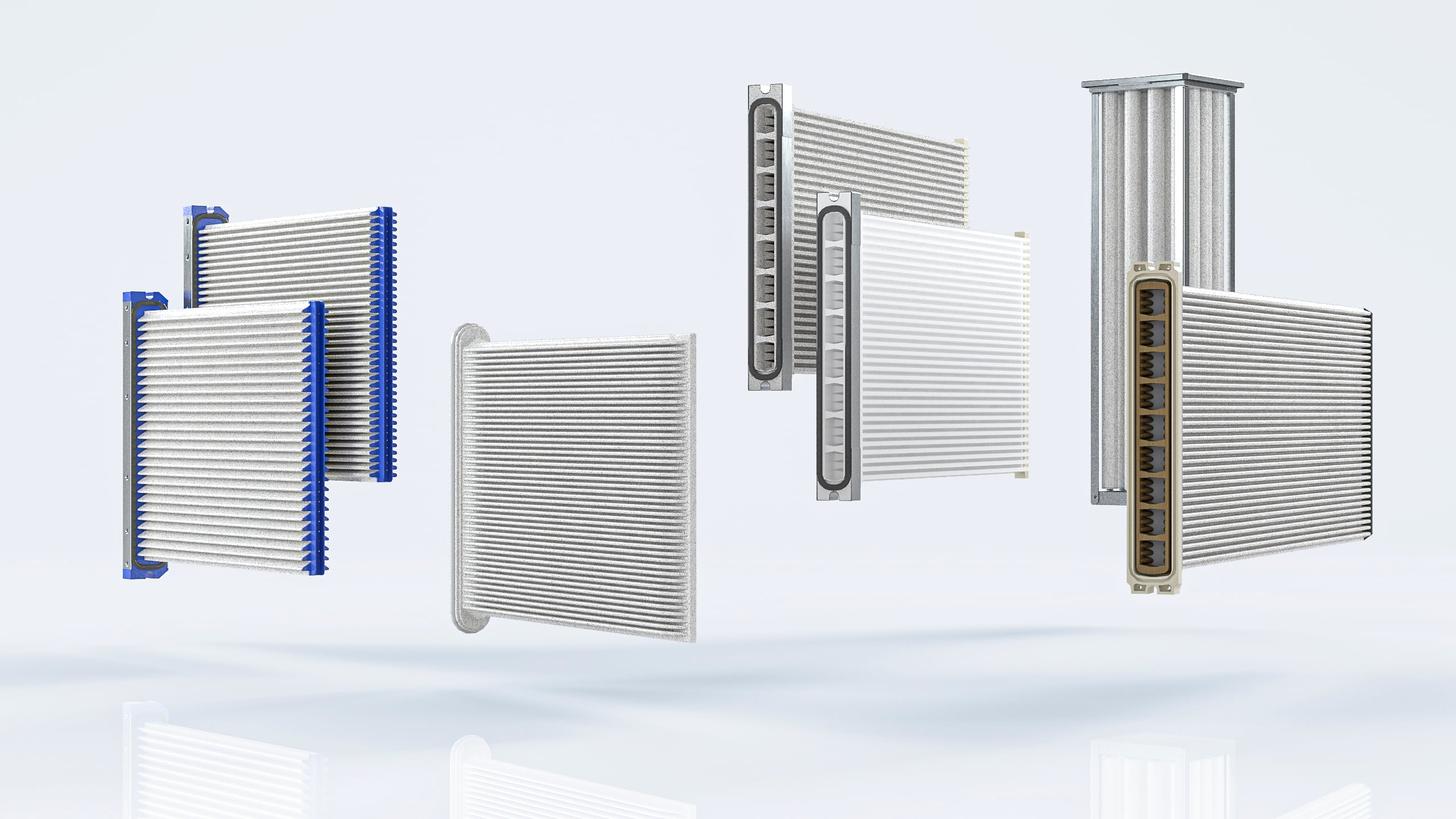
Why High Efficiency Dust Collection Is Non-Negotiable for Regulatory Compliance
Rising Health and Environmental Stakes: PM2.5/PM10 Emissions and Tightening OSHA, EPA, and NFPA 652 Standards
Fine particulate matter (PM2.5 and PM10) is directly linked to increased hospital admissions for asthma, lung cancer, and cardiovascular mortality. In response, OSHA has intensified enforcement of permissible exposure limits—fines for inadequate air quality control now average $8,500 per violation (OSHA 2023). The EPA continues lowering allowable PM2.5 concentrations under its National Ambient Air Quality Standards, while NFPA 652 mandates a documented dust hazard analysis and ongoing mitigation for any facility generating combustible dust. This regulatory convergence leaves no margin for subpar filtration. High efficiency dust collection is the only practical means to maintain airborne concentrations below legal thresholds, protect worker health, and avoid severe financial and operational penalties. With analysts projecting a potential 99.5% efficiency mandate for sub-micron particles by 2025, the risk of non-compliance has never been higher.
The 99.99% Filtration Threshold: How It Directly Enables Sub-1 mg/m³ Emissions and Legal Certainty
Achieving an outlet concentration below 1 mg/m³ is the definitive benchmark for compliance with the most stringent air permits—and it hinges on filtration efficiency at the particle size of concern. A system operating at 99.99% efficiency on an inlet loading of 10 g/m³ yields emissions of just 0.1 mg/m³, comfortably within the sub-1 mg/m³ envelope. This performance threshold delivers legal certainty: operators can withstand unannounced stack tests and inspections without fear of deviation. Both NFPA 652’s requirement for documented dust control and the EPA’s residual risk standards converge around this level. Specifying a system engineered for sustained 99.99% filtration eliminates compliance guesswork, ensuring every operating hour aligns with the law and safeguards the facility’s license to operate.
Core Technologies Enabling High Efficiency Dust Collection
Nanofiber Cartridge Filters and PTFE Membranes: Achieving Near-Perfect Capture of Sub-Micron Particles
The foundation of high efficiency dust collection lies in advanced filter media that rely on surface filtration—not depth loading—to trap fine particles. Traditional cellulose or polyester filters allow fine dust to embed deep within the media, increasing pressure drop and degrading capture efficiency over time. Nanofiber cartridge filters and expanded PTFE (ePTFE) membranes overcome this limitation with a dense, non-porous surface layer capable of capturing particles as small as 0.3 microns while sustaining airflow. This surface-loading mechanism delivers MERV 15+ ratings—exceeding the 99.99% efficiency required by modern emission standards.
The performance gap between conventional and advanced media is substantial, as shown in this comparative analysis:
| Filter Media Type | Filtration Mechanism | Efficiency @ 0.3μm | Typical Pressure Drop (in H₂O) | Pulse Cleaning Interval |
|---|---|---|---|---|
| Standard Cellulose/Polyester Blend | Depth loading | 99.0% – 99.5% | 4.0 – 6.0 | 15 – 30 seconds |
| Spunbond Polyester | Surface loading | 99.5% – 99.9% | 3.0 – 4.5 | 60 – 120 seconds |
| Nanofiber-Coated Cellulose | Surface loading | 99.99% | 2.0 – 3.5 | 4 – 12 minutes |
| ePTFE Membrane Laminate | True surface filtration | 99.99%+ | 1.5 – 2.5 | 12 – 30 minutes |
The ePTFE membrane’s microporous structure is inherently hydrophobic and chemically inert—ideal for sticky or hygroscopic dusts that rapidly blind conventional filters. Field data from powder coating operations shows membrane-based cartridge collectors maintain stable airflow for over 12 months before replacement, compared to 3–4 months for nanofiber alternatives. This durability directly supports the long-term reliability required for continuous regulatory compliance.
Hybrid Enhancement: Electrostatic Pre-Charging and Real-Time Pressure Drop Optimization for Sustained 99.9% Efficiency
Even the most advanced filter media benefit from complementary technologies that extend and stabilize performance. Electrostatic pre-charging applies a high-voltage corona discharge to incoming dust, agglomerating fine sub-micron particles into larger clusters more readily captured by surface filters. This hybrid approach is especially effective for PM2.5, where diffusion and interception alone often fall short. At a metalworking facility, electrostatic pre-charging upstream of ePTFE cartridges reduced verified outlet emissions to 0.08 mg/m³—40% lower than the cartridges alone (Environmental Technology Verification Report 2022).
Real-time pressure drop optimization transforms dust collection from reactive maintenance into a self-adjusting process. Intelligent control systems use differential pressure sensors and Variable Frequency Drives (VFDs) to modulate fan speed, maintaining constant airflow regardless of filter loading. This avoids energy waste from running fans at full speed against partially loaded filters and prevents pressure spikes that compromise filtration integrity. The system also dynamically adjusts pulse-jet cleaning intensity and frequency based on actual pressure trends—reducing compressed air consumption by up to 30% and extending filter life. This data-driven approach ensures high efficiency dust collection consistently meets its design specification: reliable, repeatable sub-1 mg/m³ emissions.
Design Intelligence: Ensuring High Efficiency Dust Collection Performs as Intended in Practice
Source-Capture-First Strategy: CFD-Guided Hood and Duct Design to Eliminate Bypass and Leakage
High efficiency dust collection only delivers results if contaminants are captured before they disperse. A poorly designed hood can allow up to 70% of generated dust to escape—rendering even the most advanced collector ineffective. Computational Fluid Dynamics (CFD) modeling enables engineers to visualize airflow patterns and precisely optimize hood geometry, duct diameter, and capture velocity. This ensures transport velocities of 3,500–4,000 feet per minute for fine particulate—preventing particle dropout and duct clogging. Strategic blast gate placement further balances airflow across workstations, eliminating localized pressure drops that create bypass. The goal is a sealed, predictable pathway from source to filter—where every cubic foot of contaminated air is reliably delivered.
Dry vs. Wet Debate Revisited: Why High Efficiency Dust Collection Outperforms Venturi Scrubbers on PM2.5 Despite Regulatory Acceptance
Venturi scrubbers remain EPA-accepted—but their physics limit effectiveness on sub-micron particles. While efficient on particles larger than 5 µm, scrubber removal efficiency drops sharply for PM2.5, frequently resulting in stack emissions above 5 mg/m³. In contrast, dry high efficiency dust collection using advanced cartridge filters consistently achieves emissions below 0.1 mg/m³. This isn’t merely a technical advantage—it’s a strategic one. A facility relying on a scrubber may meet today’s permit but remains exposed to future EPA revisions that lower emission limits. Dry filtration provides a more robust, legally defensible path to sub-1 mg/m³ performance, combining superior particle capture physics with mechanical simplicity for greater long-term regulatory certainty.
Real-World Validation: High Efficiency Dust Collection in Action
In a 2022 retrofit of a metal powder coating line, a facility replaced outdated baghouse collectors with high efficiency dust collection featuring nanofiber cartridge filters and active pressure-drop monitoring. Stack testing confirmed a reduction in PM2.5 emissions from 4.2 mg/m³ to 0.3 mg/m³—well below the EPA’s 0.5 mg/m³ guideline for new sources. Over 18 months of continuous operation, operators recorded zero exceedances, eliminating the risk of costly fines. Similar outcomes are documented across chemical processing and additive manufacturing facilities, where these systems consistently achieve the sub-1 mg/m³ threshold that ensures legal compliance and protects community health. These results confirm that well-designed, high-efficiency dust collection delivers measurable, repeatable emission control—even in the most demanding industrial environments.
FAQ
Why is high efficiency dust collection important for regulatory compliance?
High efficiency dust collection is crucial for reducing particulate emissions to levels that comply with OSHA, EPA, and NFPA standards. It ensures worker health and avoids costly fines for non-compliance.
What is the significance of achieving 99.99% filtration efficiency?
Achieving 99.99% filtration efficiency allows facilities to maintain emissions below 1 mg/m³, ensuring compliance with stringent air permits and providing legal certainty for operations.
What technologies enable high efficiency dust collection?
Nanofiber cartridge filters, ePTFE membranes, electrostatic pre-charging, and real-time pressure drop optimization are key technologies that enhance particulate capture efficiency and system reliability.
How does dry filtration compare to wet Venturi scrubbers?
Dry filtration offers superior particle capture for PM2.5 and greater regulatory certainty due to lower emissions, whereas Venturi scrubbers may struggle to remove sub-micron particles effectively.
Can high efficiency dust collection systems operate long-term without frequent maintenance?
Yes, systems using durable filters like ePTFE membranes and real-time optimization technologies require less frequent replacements and are designed for sustained performance.
Table of Contents
- Why High Efficiency Dust Collection Is Non-Negotiable for Regulatory Compliance
- Core Technologies Enabling High Efficiency Dust Collection
- Design Intelligence: Ensuring High Efficiency Dust Collection Performs as Intended in Practice
- Real-World Validation: High Efficiency Dust Collection in Action
-
FAQ
- Why is high efficiency dust collection important for regulatory compliance?
- What is the significance of achieving 99.99% filtration efficiency?
- What technologies enable high efficiency dust collection?
- How does dry filtration compare to wet Venturi scrubbers?
- Can high efficiency dust collection systems operate long-term without frequent maintenance?