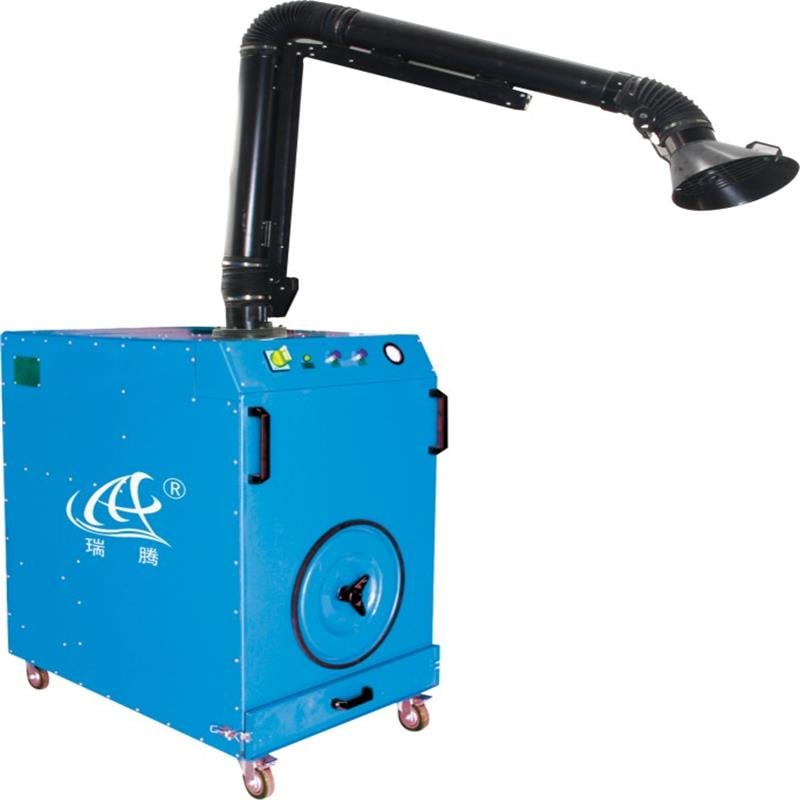
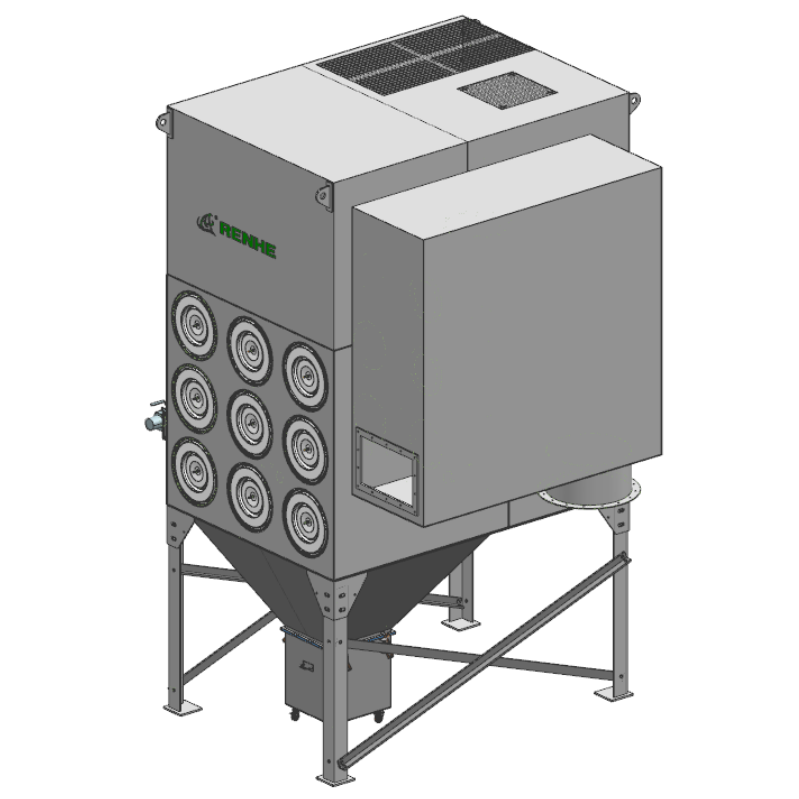
A buyer whose exhaust air smells faces two problems at once. A fume dust collector may be removing visible particles well while the smell persists, because odor molecules and dust behave differently. This is where multi stage filtration becomes relevant. One stage deals with solid particulate and a later stage targets the gaseous compounds that carry the smell. That difference explains why a single medium seldom settles an odor complaint. A fume dust collector built as a sequence of stages can address both fractions, but only when each stage is chosen for the actual contaminant. This article explains how the stages work, how they protect one another, and what to verify before accepting an odor free claim.
Start with why a single stage falls short. Dust and fume particles are solid matter that a filter medium can trap, and a well-chosen particulate stage captures them with high efficiency. Odor, by contrast, comes from volatile gaseous molecules that pass straight through a particle filter. A fume dust collector with only a particulate stage will therefore discharge air that looks clean but still smells. Multi stage filtration adds a second mechanism aimed at the gas phase. The stages are not interchangeable; neither substitutes for the other. Recognizing which fraction is causing the complaint is the first step in selecting the right sequence for your exhaust air.
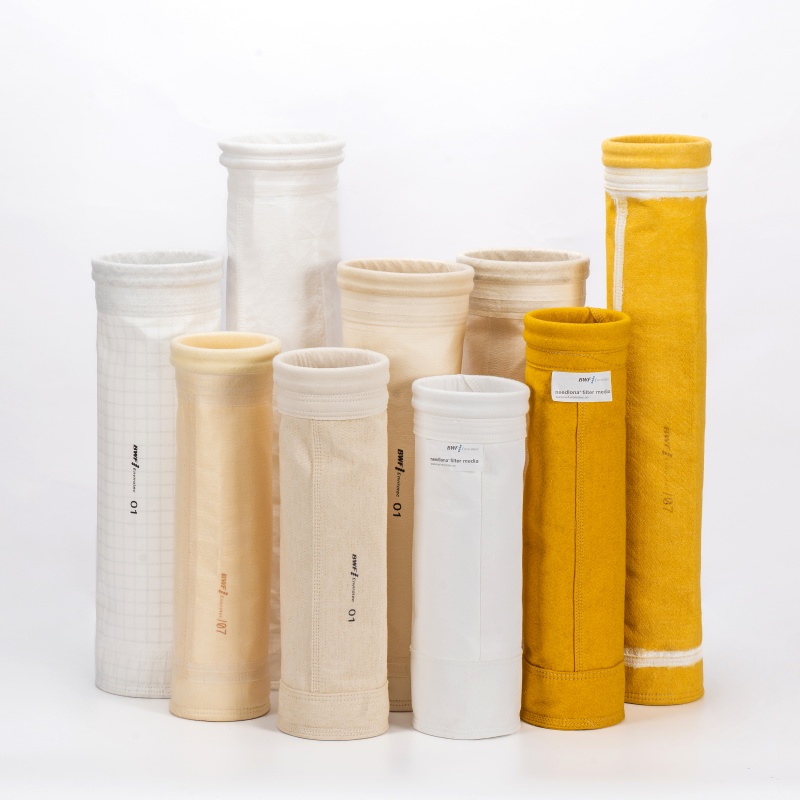
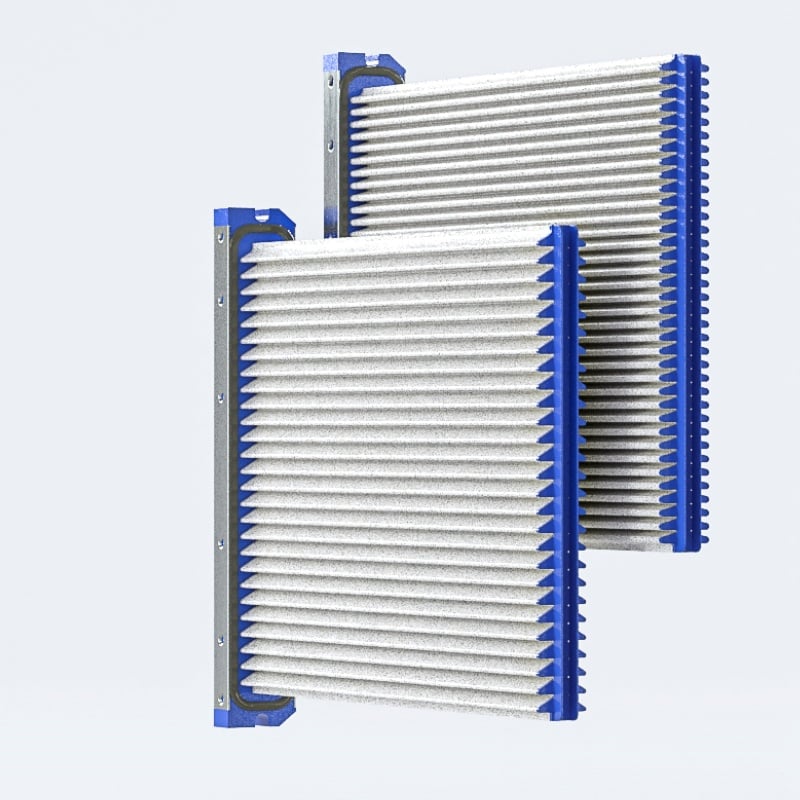
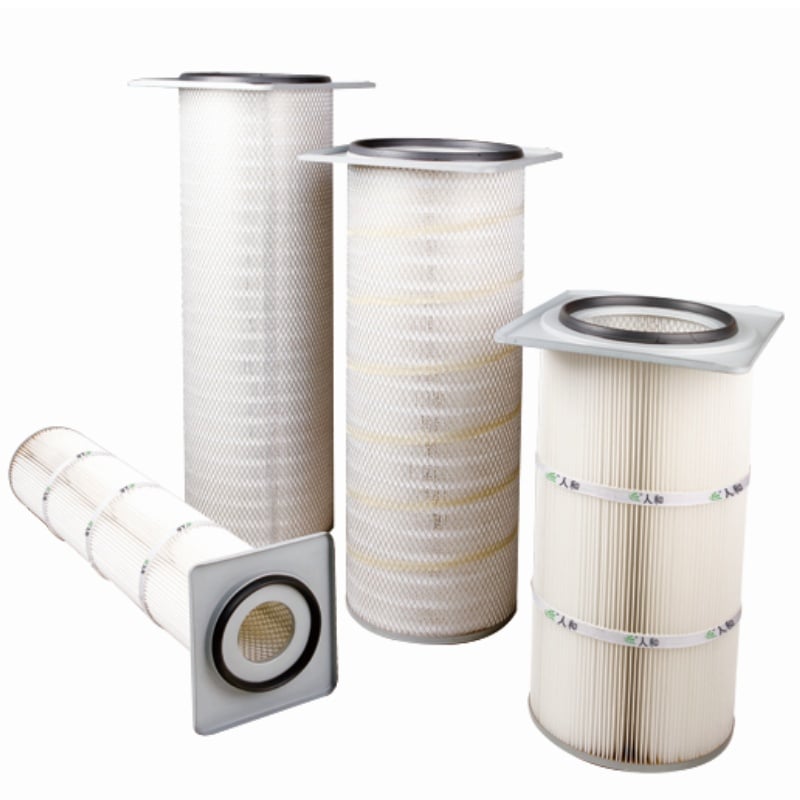
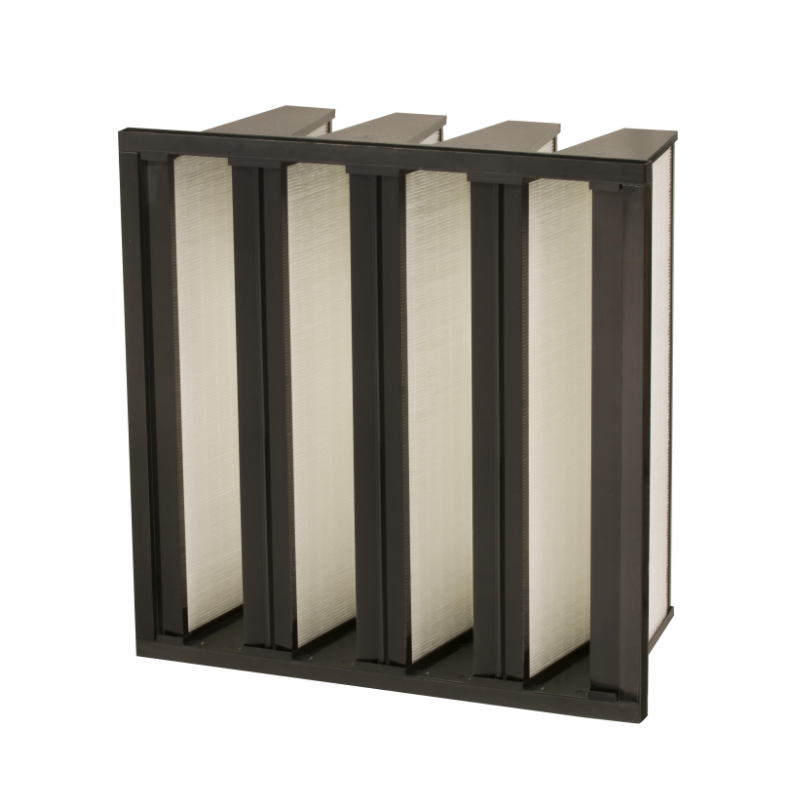
The particulate stage sits first for a practical reason. It removes dust and fume solids before the air reaches the more delicate downstream media, protecting that stage from being blinded by particles. In a fume dust collector this first stage is typically a cartridge, bag or panel filter chosen for the particle size and load. Its job is to deliver relatively clean air to the next stage, not to remove odor. A thin dust cake can even improve fine capture. Pressure drop across the particulate stage is monitored, because a loaded filter both wastes fan energy and reduces the airflow available to the odor stage. Keeping the first stage healthy is the cheapest way to protect the whole system.
The second stage deals with the gases. Adsorption is the common approach: a bed of adsorptive media offers a large internal surface to which odor molecules attach as air passes through. Unlike a particle filter, an adsorption stage has finite capacity and eventually needs replacement or regeneration. The media must suit the specific odor molecules, since a material working for one process may do little for another. Humidity and dust can reduce its effectiveness, which is why the upstream particulate stage matters. A fume dust collector combining the two stages in the right order can deliver much cleaner exhaust air than either stage alone, but the adsorption medium must match the contaminant.
Stage arrangement is a matter of access and protection. The particulate filter sits upstream, the adsorption medium downstream, and the fan is placed where it moves air through both without drawing contaminants through its own components. Room for replacement must be built in, since an adsorption bed buried behind a fixed duct cannot be serviced. A prefilter may be added ahead of the particulate stage to catch coarse material. The number of stages depends on the exhaust air: a simple dust stream may need only particulate filtration, while a process releasing both fume and volatile compounds needs the full sequence. A fume dust collector with multi stage filtration should be sized to the actual load, not added as a label.
An anonymous household appliance dismantling operation illustrates why the sequence matters. The process released a mixture that included particulate matter, phosphor and lead-bearing dust from cut screens, alongside volatile residues from cooling equipment and refrigerant-related compounds. Capturing solids alone would leave the gaseous fraction in the exhaust air. The team evaluated a fume dust collector with a particulate stage followed by a stage aimed at the volatile components, and asked the supplier to document how each stage was selected for the measured contaminants. The plan also covered safe handling of the spent media, since a loaded adsorption stage is itself a waste stream. Odor control begins with knowing what is in the exhaust air.
To evaluate an odor free exhaust claim, identify the contaminants and their concentrations at the source. Ask the supplier which stage addresses the particle fraction and which addresses the gases, and on what basis the media was selected. Confirm how each stage is accessed and whether the adsorption medium has a documented service life under your load. Review specifications and verify test documents before accepting performance claims, and request material guidance where the chemistry is unusual. A well-matched fume dust collector can make a real difference to the air leaving a process. The result depends on matching the stages to your exhaust air, not on the number of stages in a brochure.
Question one: Why does a fume dust collector need more than one stage?
Answer: Because particles and odors are different. A particulate filter traps solids but lets gas molecules pass, so an adsorption stage is needed to address the volatile compounds that cause smell in exhaust air.
Question two: How does the adsorption stage remove odor?
Answer: In a fume dust collector, adsorptive media offers a large internal surface that holds odor molecules as air passes through. It has finite capacity, so the medium must suit the specific compounds and be replaced or regenerated on schedule.
Question three: What should I verify before accepting an odor free claim?
Answer: Identify the actual contaminants, confirm which stage handles each fraction, check media selection and service life, and review test documents. A fume dust collector design must match your exhaust air, not just list multiple stages.
 Hot News
2026-11-25
2026-11-25
2026-11-25
2026-11-25
2026-11-25
2026-11-25
Renhe focuses on air filter cartridge, gas turbine air filter, Pleated Filter Media, industrial dust, Our main products have been recognized as high-tech products in Jiangsu Province, famous trademarks in Wuxi City, and CE certification.
NO. 31 Xingyuan Road, Jiefang Industrial Park, Gushan Town, Jiangyin City, Jiangsu Province, China (214414)
Copyright © 2024 Jiangsu Renhe Environmental Equipments Co., Ltd Privacy Policy
 EN