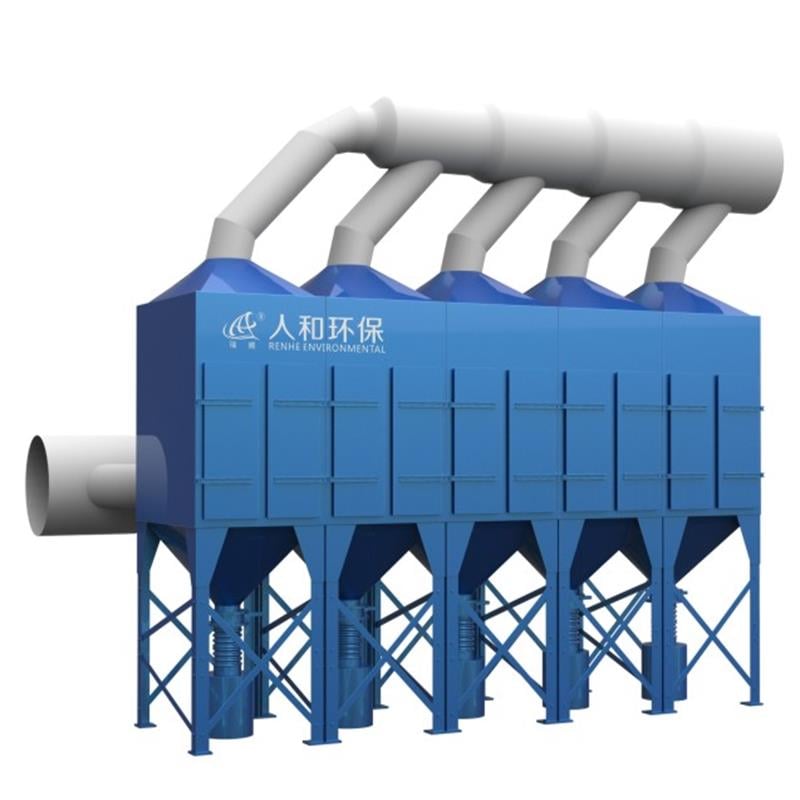
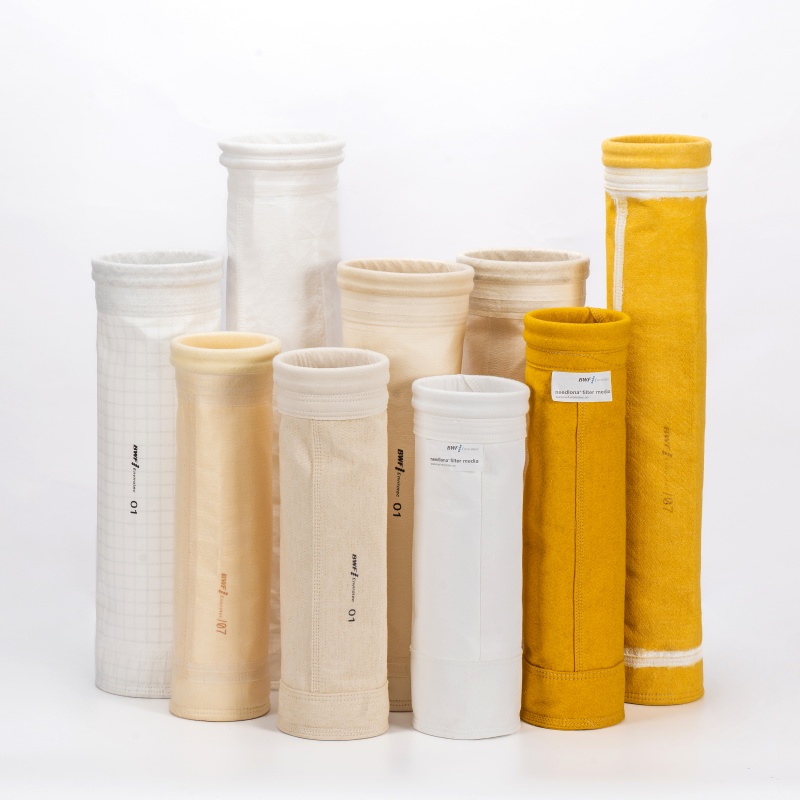
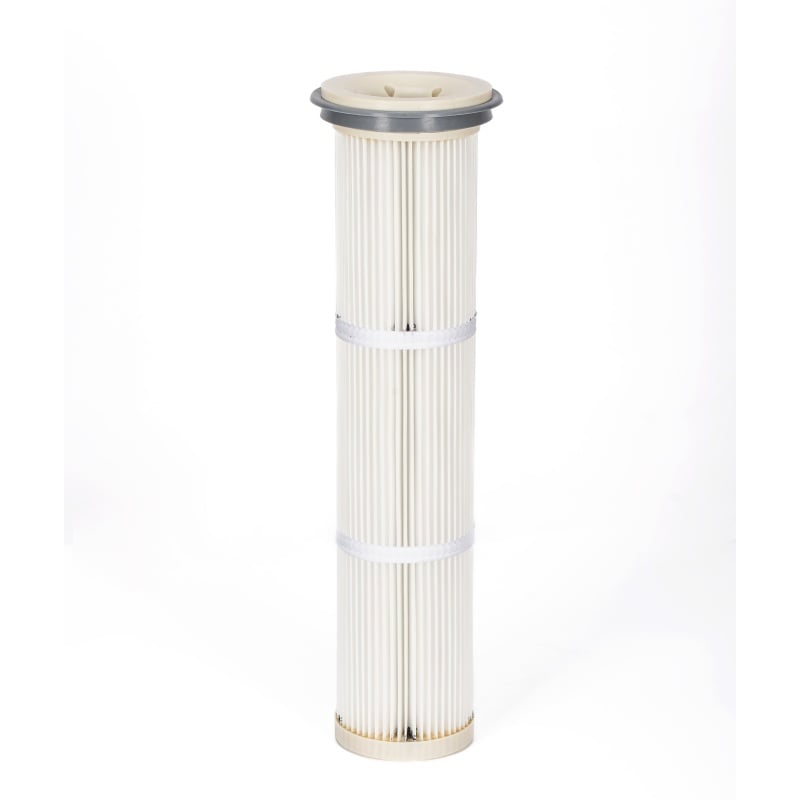
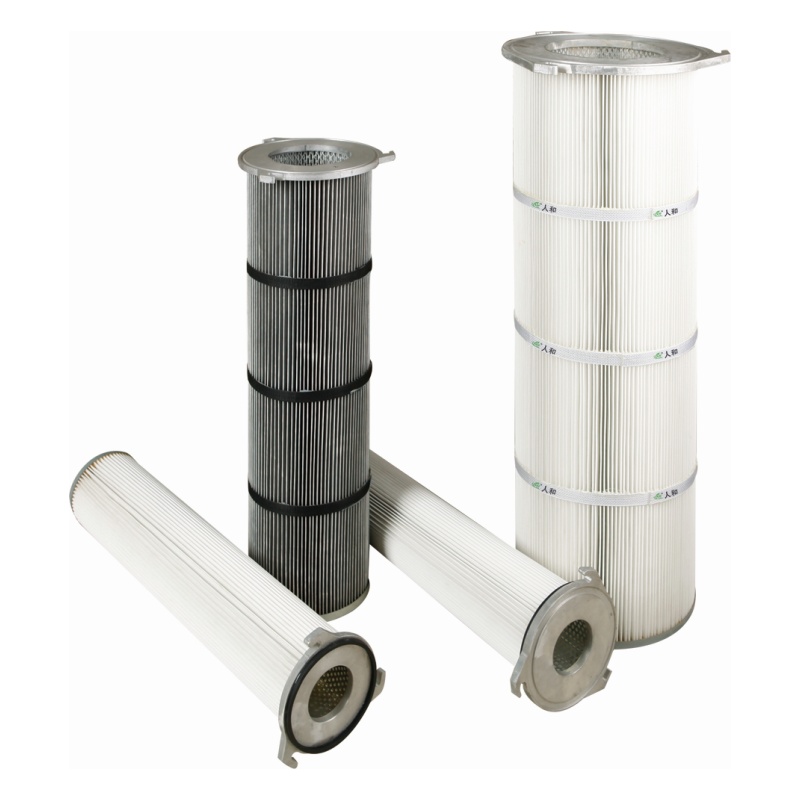
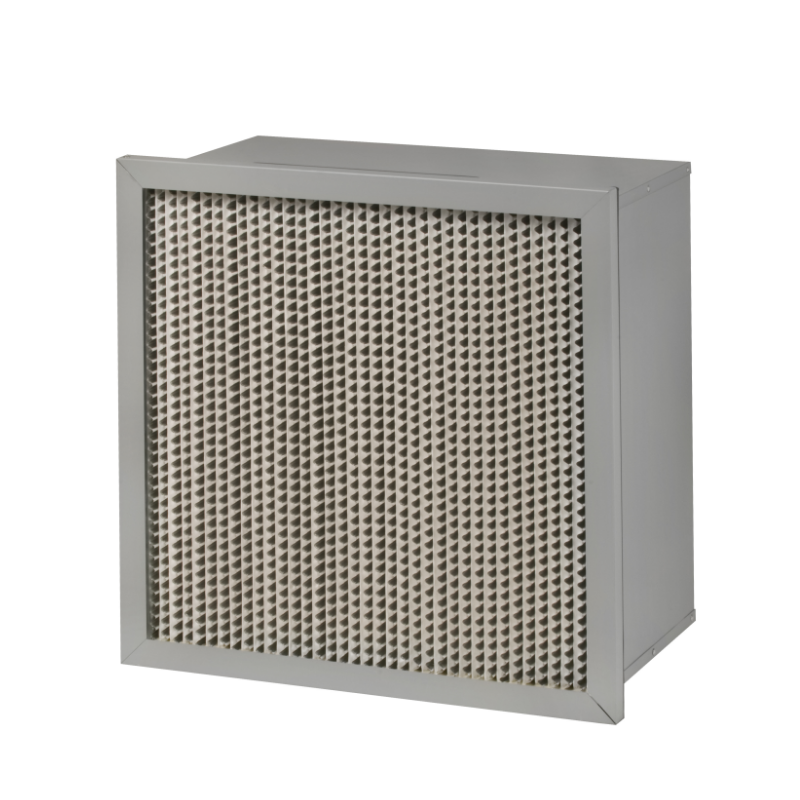
To understand a cartridge dust collector, follow a single cleaning event from the moment a controller calls for it until the media is ready again. Dust-laden air enters the housing, passes through the pleated elements and leaves as clean air, while the dust remains on the outer surface. As that layer thickens, resistance rises and the controller triggers pulse jet cleaning. A stored charge of compressed air is released, travels through an air header and a row of valves, and reaches the venturi above each element. The result is a reverse flow through the media that drops the collected cake into the hopper. The whole cleaning cycle lasts only a moment, yet every component must work in sequence for a cartridge dust collector to stay online.
A receiver holds compressed air at a stable level so that a sudden demand does not starve the pulse. From there an air header distributes the supply to each row of cartridges. The size and condition of that air header matter because a long run with sharp bends can attenuate the pulse before it reaches the far valves. In a larger cartridge dust collector, the air header may be divided into sections so that one bank can be cleaned while another continues filtering. Operators of a cartridge dust collector who inspect the air header for corrosion, loose fittings and trapped condensate avoid many intermittent cleaning faults. A clean, dry supply is as important as the nominal capacity of the receiver.
The diaphragm valve is the gate between stored air and the media. When the controller energises it, the diaphragm lifts and a burst of air passes into the blowpipe; when the signal ends, the valve reseats and the air header refills that branch. A diaphragm valve that sticks or leaks will either fire weakly or vent continuously, and both faults show up as an unstable cleaning cycle in a cartridge dust collector. In pulse jet cleaning, the timing of the diaphragm valve matters as much as its size, because a slow opening spreads the energy over too long a moment. Technicians often confirm diaphragm valve operation by listening for a crisp discharge rather than a sustained hiss during commissioning.
Below each diaphragm valve sits a blowpipe with holes aligned to the element mouths. The jet from a hole is small, but it enters a venturi whose shape draws in surrounding clean air. That entrainment is the central idea: the venturi multiplies a modest pulse into a broad reverse flow moving down the pleats. A misaligned or clogged venturi breaks the seal and pulse jet cleaning loses effectiveness at that station. In a cartridge dust collector the venturi is therefore a service item rather than a decorative fitting. During a cleaning cycle, each venturi should deliver a comparable pulse across the entire row, which is why alignment is checked during routine maintenance.
Two broad strategies exist. In online cleaning, the cartridge dust collector keeps filtering while one row is pulsed, and the released dust must find its way to the hopper against the main airflow. In offline cleaning, a bank is isolated so the cake falls freely, which can suit fine or sticky dust at the cost of briefly reduced capacity. The choice affects how often a cleaning cycle is required and how far the differential pressure swings between pulses. Most plants select the sequence from dust behaviour and process continuity, then fine-tune the interval. A supplier should be able to explain which arrangement suits a stated duty and why.
In an automatic sand drenching dust control project at a foundry workshop using lost wax casting, dust was drawn from a hood over the sand pipe through ducting into a cartridge dust collector, then through a secondary high-efficiency stage before clean air returned to the room. Returning cleaned air reduced heating and cooling losses on the line. Because the process ran continuously, pulse jet cleaning had to work without interrupting production, so an online cleaning cycle was commissioned with the air header divided by bank. Fine silica sand is abrasive, so the team checked each venturi and every diaphragm valve during planned stops. A supplier such as Jiangsu Renhe could provide media guidance and test documents without dictating the whole sequence. Review specifications and compare product options before finalising the arrangement.
Question one: What is the difference between a pulse and a cleaning cycle?
Answer: The pulse is the brief discharge of compressed air; the cleaning cycle is the full sequence, including diaphragm valve timing, reverse flow through the venturi and dust settling into the hopper. A cartridge dust collector depends on both working together.
Question two: Why does the air header matter if the inlet gauge reads correctly?
Answer: A gauge shows pressure at one point, not delivery along the row. A restricted air header can starve distant diaphragm valves in a cartridge dust collector, so inspect it and confirm each venturi during commissioning.
Question three: Should I choose online or offline pulse jet cleaning?
Answer: It depends on dust and process continuity. Online cleaning keeps a cartridge dust collector filtering throughout; offline cleaning isolates a bank for a stronger cleaning cycle. Compare product options against your real duty before deciding.
 Hot News
2026-11-25
2026-11-25
2026-11-25
2026-11-25
2026-11-25
2026-11-25
Renhe focuses on air filter cartridge, gas turbine air filter, Pleated Filter Media, industrial dust, Our main products have been recognized as high-tech products in Jiangsu Province, famous trademarks in Wuxi City, and CE certification.
NO. 31 Xingyuan Road, Jiefang Industrial Park, Gushan Town, Jiangyin City, Jiangsu Province, China (214414)
Copyright © 2024 Jiangsu Renhe Environmental Equipments Co., Ltd Privacy Policy
 EN