
 EN
EN
The Hidden Cost of Workshop Air Quality
In the high-stakes world of industrial manufacturing, operational priorities often focus heavily on the maintenance of heavy machinery and the optimization of production lines, while frequently overlooking the most critical asset on the workshop floor: the staff. Every single day, workers in metalworking, chemical processing, fabrication, and assembly facilities are exposed to an invisible cocktail of fine dust, volatile organic compounds (VOCs), and airborne debris. While the immediate consequences might appear limited to minor discomfort, the long-term impact on respiratory health is profound and potentially irreversible. The implementation of robust industrial air purification is no longer just a regulatory box to tick; it is a fundamental pillar of ethical manufacturing. By prioritizing the quality of the air that workers breathe, enterprises are taking a definitive stand to protect their most valuable human capital and ensure a sustainable future for their workforce.
The Complex Science of Respiratory Hazards
The anatomy of industrial pollution is far more complex than a simple cloud of dust. Fine particles, often invisible to the naked eye, possess the dangerous ability to bypass the upper respiratory defenses and settle deep within the pulmonary tissues. Heavy metals such as chromium, nickel, or lead—common byproducts of intense welding, grinding, and machining—can cause systemic, long-term health issues, while composite dusts may cause chronic lung irritation or sensitization. The real danger lies in the cumulative nature of this exposure. Even in facilities where dust levels are officially recorded as "acceptable," the persistent, daily presence of microscopic contaminants keeps the immune system under constant stress. Expert analysis in industrial hygiene consistently points to the fact that effective purification must target the sub-micron particles that carry the highest toxicological risk, rather than focusing solely on larger dust clouds that are easier to see but less harmful.
Technical Solutions Through Advanced Air Purification
Modern industrial air purification leverages a sophisticated combination of high-efficiency particulate air (HEPA) filtration and advanced gas-phase adsorption. Unlike traditional, outdated ventilation systems that simply move contaminated air from one corner of a shop to another, state-of-the-art purification units are designed for targeted extraction and continuous, multi-stage cleaning. By utilizing high-velocity capture at the source—the exact point where dust or fumes are generated—and passing the air through advanced, high-density media, these systems ensure that the return air is essentially clinical-grade. This technology does more than just remove physical particles; it also neutralizes harsh chemical odors and VOCs that would otherwise linger in the workshop environment, creating a significantly cleaner, fresher atmosphere for personnel who are working long shifts.
Operational Benefits: Efficiency and Compliance
There is a direct, measurable link between the quality of ambient air and overall operational performance. Workshops equipped with advanced purification systems report significantly lower rates of employee absenteeism and health-related downtime. When staff members breathe clean, oxygen-rich air, they experience higher energy levels, improved cognitive focus, and reduced fatigue, all of which directly contribute to higher quality production and fewer manual errors. Furthermore, for enterprises with international operations, maintaining superior air quality is a prerequisite for adhering to stringent global safety standards, such as those set by OSHA or the European Union’s workplace safety directives. Investing in purification is a proactive measure that simplifies complex compliance audits and eliminates the risk of costly regulatory fines, legal challenges, or site closures.
The Real ROI of a Healthy Workforce
Viewing air purification as a simple operational expense is an outdated perspective; it is, in reality, a high-yield investment with tangible returns. The economic benefits are diverse and far-reaching: reduced insurance premiums, lower recruitment costs, and the ability to attract and retain highly skilled talent who prioritize safe working conditions. A workshop that clearly invests in the health of its staff sends a powerful, transparent message about its company culture and values. In a competitive global labor market, top-tier craftsmen, welders, and engineers are increasingly choosing to work for organizations that demonstrate a genuine commitment to health and safety. The return on investment is found not only in the balance sheet of operational efficiencies but also in the sustainable growth of a motivated, loyal, and physically healthy workforce.
Strategic Partnership: RH Filter’s Commitment to Workplace Safety
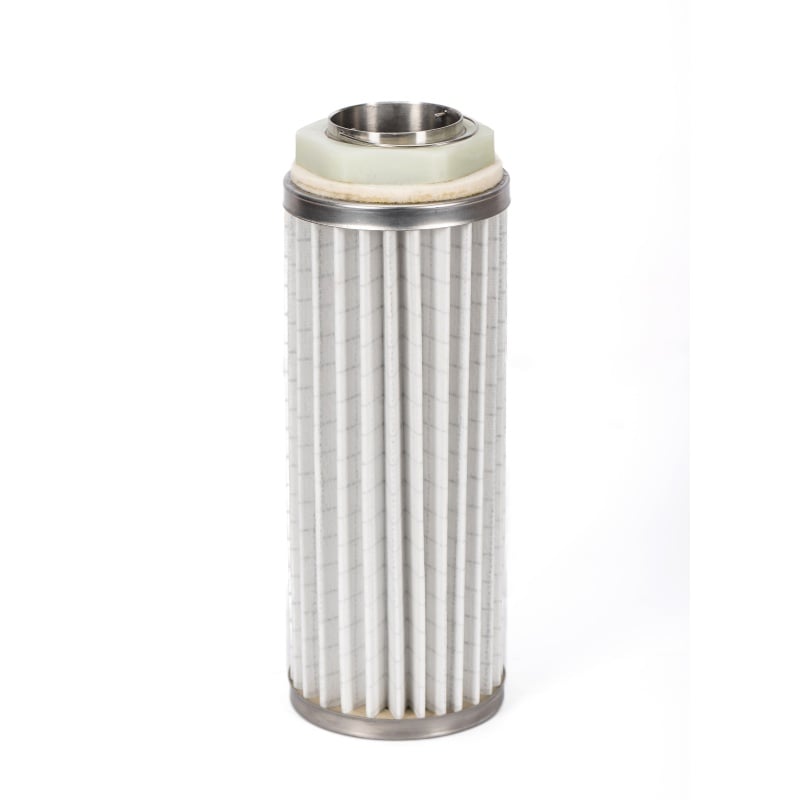
Protecting a workforce requires a partner who understands that industrial air purification is both an engineering challenge and a moral responsibility. RH Filter has established itself as a leader in this critical sector by focusing on the convergence of innovative filtration technology and durable, precision-engineered construction. With deep expertise in engineering custom air purification solutions tailored to the specific environmental and particulate challenges of diverse industrial settings, RH Filter stands as a vital partner for enterprises that refuse to compromise on staff safety. By choosing RH Filter, companies gain access to a supply chain partner dedicated to technical integrity, ensuring that a clean, safe, and productive working environment remains a reliable cornerstone of long-term operational success for the years ahead.