
 EN
EN
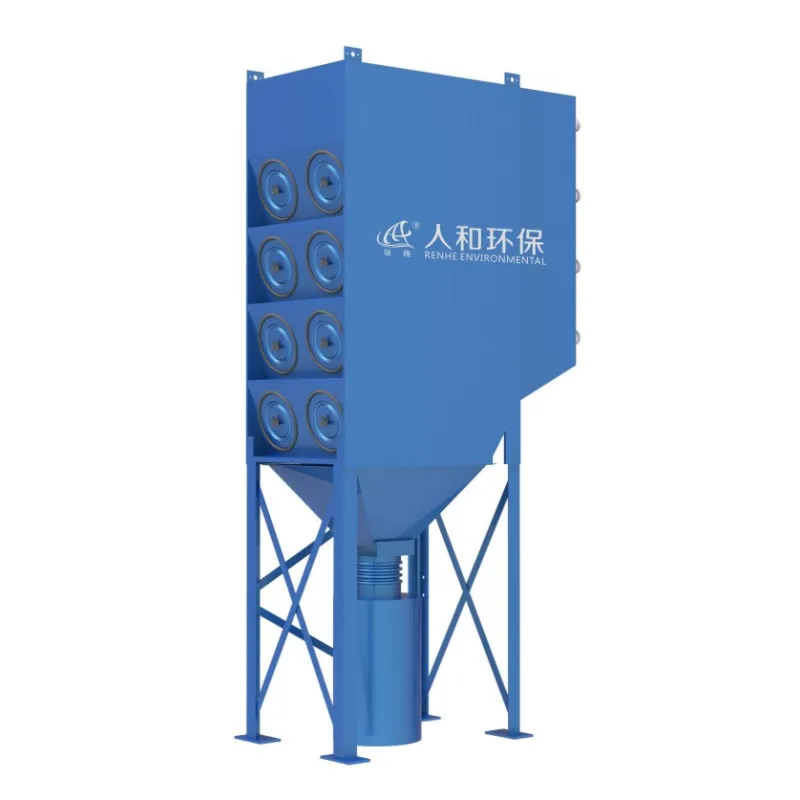
Practical Diagnostics in Industrial Air Quality Management
In heavy industrial manufacturing and processing plants, achieving optimal indoor air quality is a complex challenge that extends far beyond simple exhaust ventilation. Drawing from years of hands-on facility audit experience, standard air handling configurations frequently struggle when confronted with dense, mixed-particle emissions generated by continuous production lines. When hazardous dust and aerosols linger within the workspace, they create health hazards and accelerate mechanical wear. Enhancing the actual purification effect of industrial air purification systems requires a strategic shift from basic exhaust management to integrated, high-performance filtration engineering. By deploying targeted diagnostic methods and upgrading system components, plant managers can dramatically transform workshop air cleanliness.
Scientific Principles of Multi-Stage Filtration and Aerodynamics
From an advanced engineering perspective, true purification efficacy depends on the precise synergy between media selection and aerodynamic design. Modern industrial air purification relies on multi-stage filtration architectures that separate heavy particulate debris before secondary layers capture sub-micron hazards. By optimizing pleat spacing and utilizing specialized high-density media, systems can maximize surface area contact without inducing catastrophic airflow resistance. This scientific approach ensures that even microscopic contaminants suspended in turbulent air currents are intercepted effectively, preventing particulate bypass and maintaining a consistently high level of air purity across the entire facility.
Maintaining Stable Resistance Through Automated Cleaning
Operational stability is a vital metric when evaluating long-term air treatment performance. A primary factor in maximizing real-world purification is the rigorous control of system differential pressure. Advanced industrial air purification installations incorporate automated, high-efficiency pulse-cleaning mechanisms that periodically dislodge accumulated dust cakes from the filter surface. Transparent operational data demonstrates that maintaining a stable resistance curve prevents fan motor overload and eliminates airflow degradation over extended multi-shift operating cycles, ensuring predictable, uninterrupted ventilation performance.
Compliance with International Environmental and Safety Frameworks
Navigating global industrial regulations demands strict adherence to recognized occupational health and environmental safety guidelines. Authoritative industrial hygiene standards emphasize that effective industrial air purification must meet stringent emission thresholds and workplace exposure limits. By aligning system engineering with international compliance benchmarks, facilities protect worker health while avoiding costly regulatory penalties. Transparent monitoring protocols and third-party validation reports provide the verifiable data necessary to build enduring trust with environmental authorities and internal stakeholders alike.
Commercial Longevity and Total Cost Optimization
Beyond regulatory compliance and health safety, upgrading air treatment strategies delivers substantial financial rewards. Facilities that optimize their industrial air purification framework experience a measurable reduction in overall maintenance overhead and equipment downtime. Because abrasive particulates are successfully eliminated from the atmosphere before they can settle onto delicate electronic controls or moving machinery parts, the operational lifespan of expensive factory assets is significantly extended. This reduction in unscheduled repairs directly optimizes total ownership costs, proving that advanced air filtration is a vital investment in long-term commercial profitability.
Manufacturing Excellence and Global Supply Chain Strength
Delivering consistent, high-performance air purification across diverse global industrial sectors requires an uncompromised manufacturing partner. Supported by advanced automated production lines, precision component fabrication, and rigorous quality assurance protocols, RH Filter provides industry-leading solutions for industrial air purification. With a steadfast commitment to robust global supply chain support, RH Filter ensures that industrial clients receive durable, dependable filtration units precisely when needed. By uniting advanced material science with scalable manufacturing excellence, RH Filter empowers factories worldwide to achieve pristine indoor air quality and enduring operational success.
Table of Contents
- Practical Diagnostics in Industrial Air Quality Management
- Scientific Principles of Multi-Stage Filtration and Aerodynamics
- Maintaining Stable Resistance Through Automated Cleaning
- Compliance with International Environmental and Safety Frameworks
- Commercial Longevity and Total Cost Optimization
- Manufacturing Excellence and Global Supply Chain Strength