Industrial dust extraction systems must align precisely with material characteristics—a substantial portion of system failures result from mismatched filtration for particle size distribution (2025 Powder & Bulk Solids Study). Key properties include:
A 2024 material handling study found many facilities misclassify dust hazards, leading to higher OSHA violation rates.
Process temperatures above 140°F degrade polyester filters, necessitating fiberglass or ceramic alternatives. In wood processing, maintaining air humidity below 12% prevents resin hardening in ducts—a factor overlooked in 41% of system designs (2023 Combustible Dust Safety Report). Gas flow velocity below 4,500 fpm ensures proper particulate settling without re-entrainment.
A Tier 1 automotive supplier reduced combustible aluminum dust incidents significantly by using a three-stage system:
This configuration met NFPA 652 Standard on Combustible Dust requirements while achieving high filtration efficiency and lower energy costs.
Putting all "non-explosive" dusts into the low-risk category is causing serious problems in the field. According to industrial safety reports, many filtration systems are installed incorrectly because of this misclassification. For example, a food processing facility was using standard wood dust control measures for wheat flour dust. The mistake cost them significant damages and regulatory fines. These errors highlight why proper dust classification matters when specifying filtration systems.
| Dust Property | Measurement Method | System Impact |
|---|---|---|
| Particle Size | Laser diffraction | Filter media selection |
| Kst Value | ASTM E1226 | Explosion vent sizing |
| Moisture Content | ASTM D2216 | Duct slope/cleaning frequency |
| Bulk Density | ASTM D7481 | Hopper design |
Proper sizing ensures airflow capacity meets production demands while maintaining energy efficiency. Undersized systems fail to capture hazardous particulates; oversized units waste energy and increase operating costs.
The amount of airflow, usually measured in cubic feet per minute or CFM, basically tells us how well a system can move dust from where it's picked up to the filters. Most woodworking shops need somewhere between 200 and 800 CFM, whereas metal grinding operations generally ask for much higher volumes. Pressure drop refers to resistance created by bends in the ductwork and filters, impacting energy consumption.
An interstitial velocity of 2–4 feet per second through filter media keeps particulates suspended. Simultaneously, the air-to-cloth ratio must match dust characteristics:
| Industry | Air-to-Cloth Ratio | Key Consideration |
|---|---|---|
| Woodworking | 2.5:1 to 3.5:1 | Prevents sawdust accumulation |
| Pharmaceuticals | 4.5:1 to 6:1 | Handles fine, low-density powders |
Exceeding these ratios accelerates clogging; lower ratios unnecessarily increase capital costs.
Air-to-cloth ratios vary by dust density and particle size. Combustible dust applications require ratios below 3:1 to reduce fire risks, while non-hazardous materials can tolerate higher ratios. Regular airflow testing ensures systems maintain optimal performance.
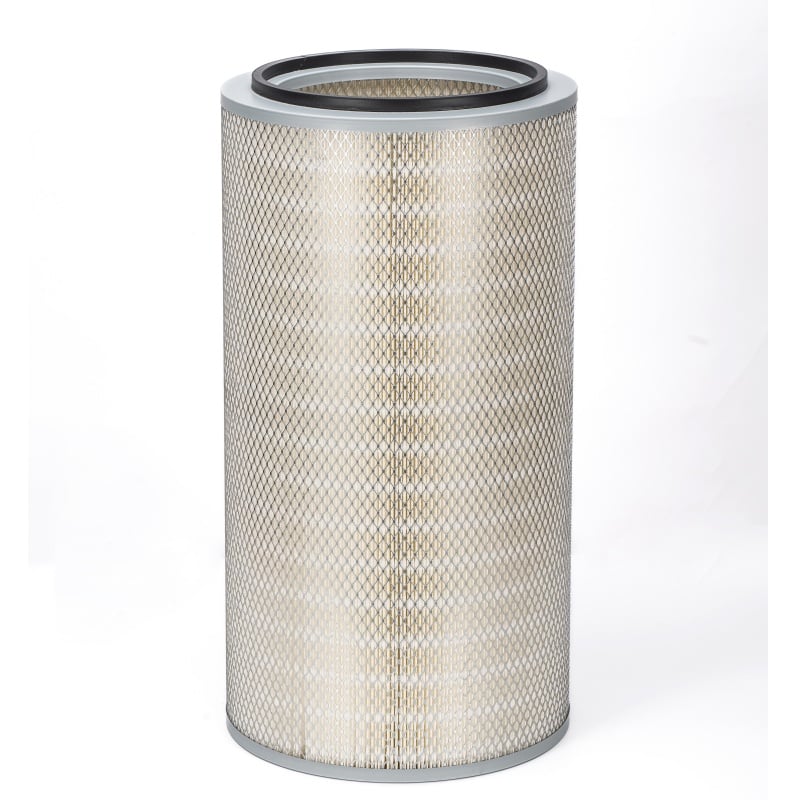
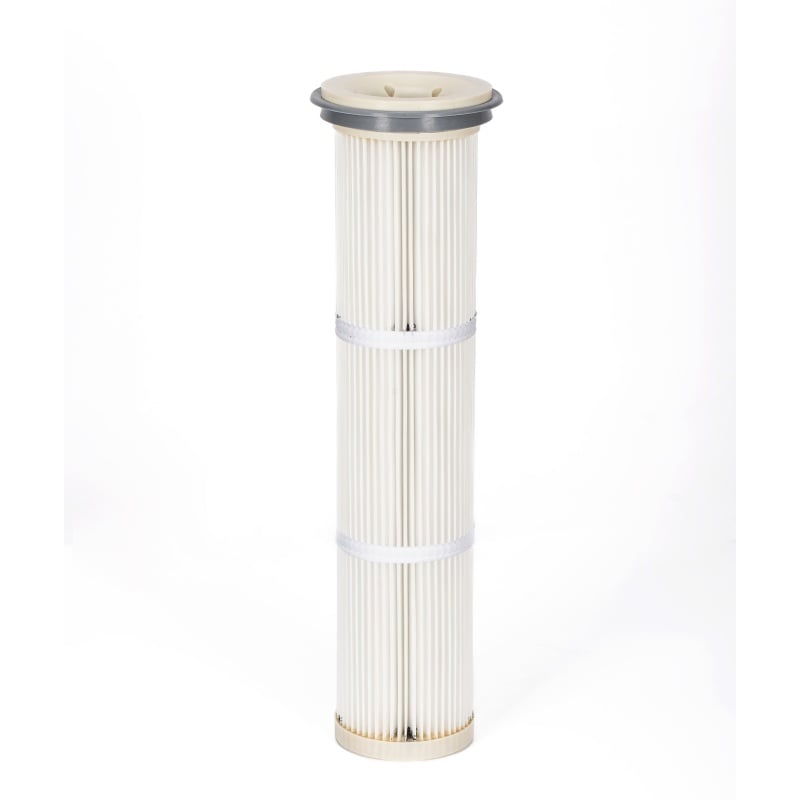
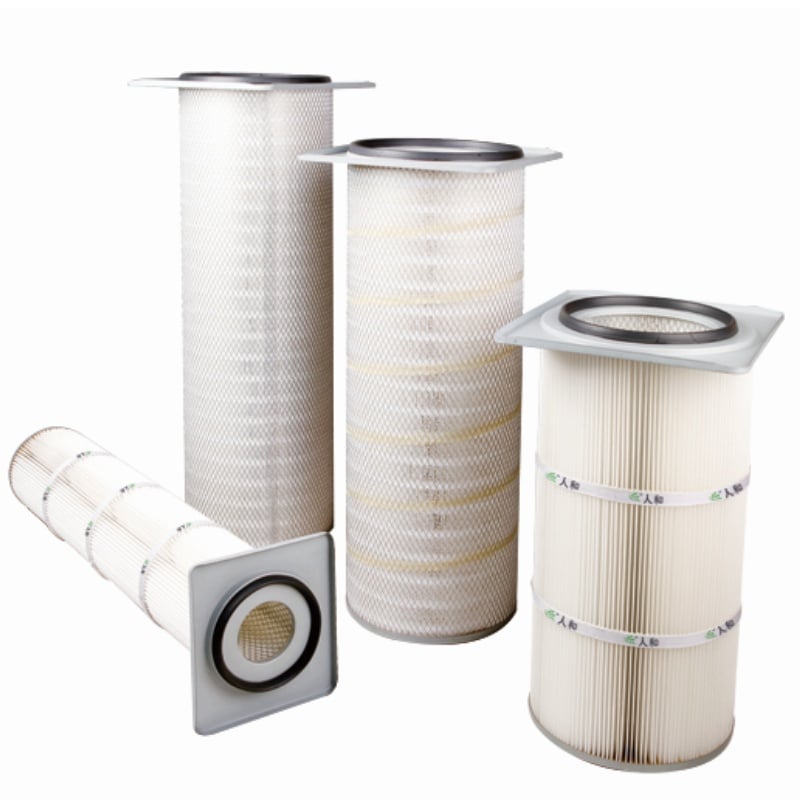
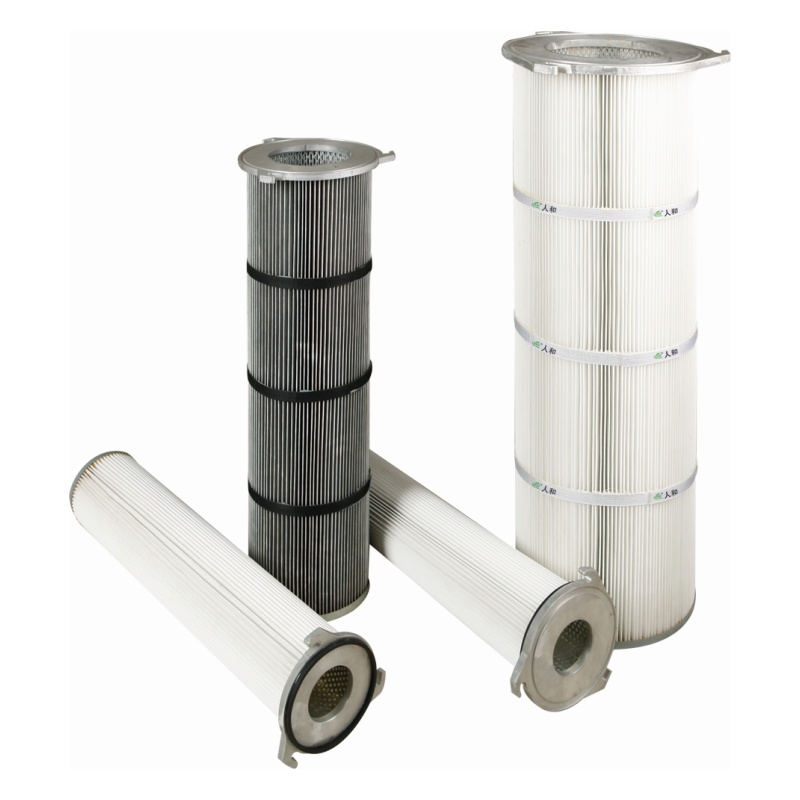
Filter media significantly impacts a system's operational lifespan. Selection must align with chemical compatibility. Temperature ranges dictate whether polyester or higher-grade media is appropriate.
| Material | Max Temperature | Chemical Resistance | Typical Cost Per m² |
|---|---|---|---|
| Polyester | 275°F | Moderate | $18-$24 |
| PTFE Membrane | 500°F | Exceptional | $95-$140 |
| Fiberglass | 550°F | High | $45-$68 |
PTFE membranes achieve high efficiency on submicron particles but require pulse-jet cleaning. Fiberglass provides stability in high-moisture environments.
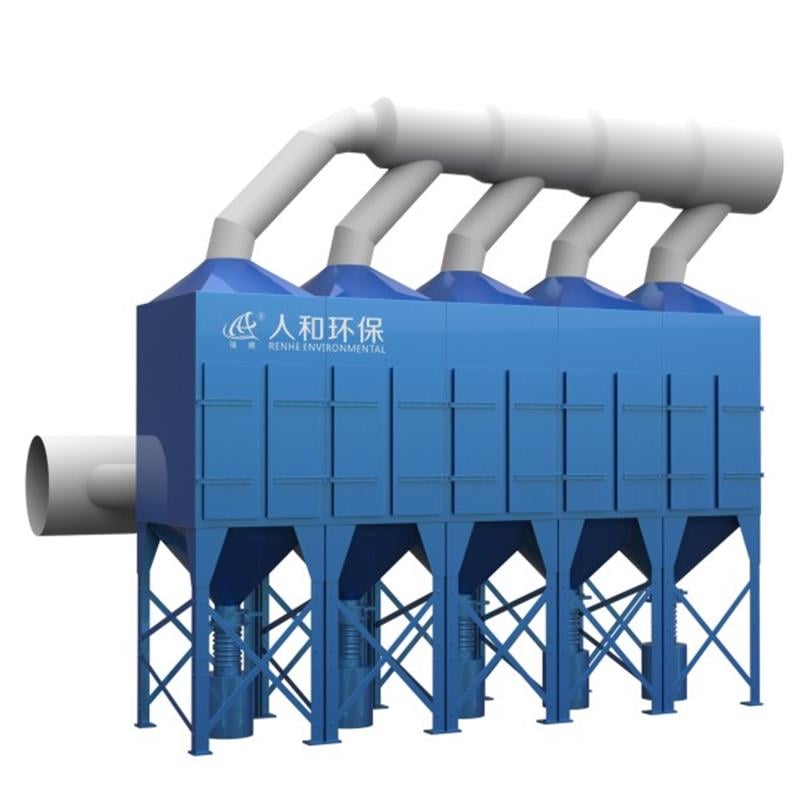
Good quality hoods capture a significant percentage of contaminants. Spiral shaped duct systems maintain efficient airflow rates. Centrifugal fans and cyclone separators enhance system performance.
Effective maintenance design emphasizes filter housing access and standardized configurations for quick replacements. Facilities using innovative layouts report less downtime.
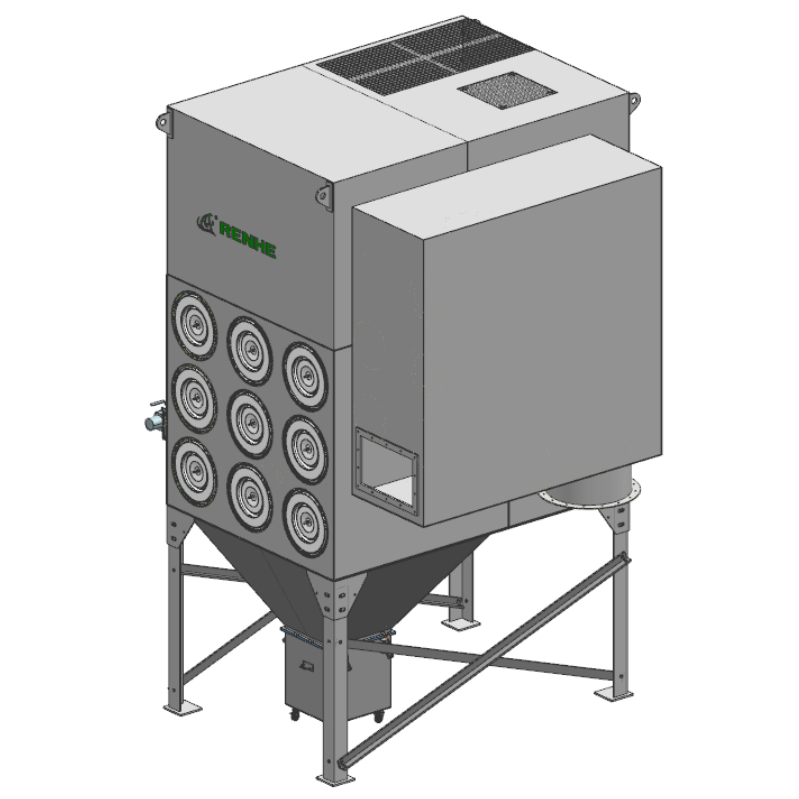
Modular baghouse designs are increasingly adopted, supporting incremental capacity upgrades. Smart sensors enable predictive maintenance, reducing unplanned shutdowns.
Scalable systems feature oversized collector foundations and reserve capacity motors, allowing seamless integration of additional modules.
Workplace systems must stay within OSHA's exposure limits and EPA emission standards. Regular checks and filter tests ensure compliance.
Facilities dealing with combustibles must carry out Dust Hazard Analyses to spot potential fire hazards. Proper installations and procedures are recommended for safety.
Companies need to adhere to stricter local or federal rules. Smart systems with IoT technology automate compliance adjustments, reducing potential violations.
 Hot News
2026-10-22
2025-01-17
2025-01-13
2025-01-08
2024-12-27
2024-12-23
Renhe focuses on air filter cartridge, gas turbine air filter, Pleated Filter Media, industrial dust, Our main products have been recognized as high-tech products in Jiangsu Province, famous trademarks in Wuxi City, and CE certification.
NO. 31 Xingyuan Road, Jiefang Industrial Park, Gushan Town, Jiangyin City, Jiangsu Province, China (214414)
Copyright © 2024 Jiangsu Renhe Environmental Equipments Co., Ltd Privacy Policy
 EN
EN